
 ChatGPT
  Gemini
  Claude
  Perplexity
 There is one day a year when Thailand slows down in a way that feels almost otherworldly. Bars lock their doors. Convenience store fridges get taped over. And as dusk falls, thousands of people carrying flickering candles walk in silent circles around temple halls. This is Visakha Bucha Day—the most sacred date on the Thai Buddhist calendar. If your travels happen to overlap with it, you are in for something genuinely moving, not just another photo op.
What Visakha Bucha Day Actually Celebrates
Visakha Bucha (pronounced wi-sa-ka boo-cha, sometimes spelled Vesak or Wesak internationally) marks an extraordinary coincidence that took place on the same date across different years. Buddhists believe the Buddha was born, achieved enlightenment, and passed into final nirvana—all on the full moon of the sixth lunar month, typically falling in May.
That three-in-one significance is what sets Visakha Bucha apart from every other Buddhist observance. No other holiday carries this much spiritual weight. Alongside Makha Bucha Day and Asahna Bucha & Khao Phansa, Visakha Bucha forms the triad of Thailand’s most sacred Buddhist holidays. For Thailand’s roughly 90 percent Buddhist population, it is the day to reflect on the Buddha’s teachings, recommit to living a moral life, and make merit on behalf of oneself and loved ones.
The date shifts every year because it follows the lunar calendar. In 2026, Visakha Bucha falls in May, with the exact date confirmed closer to the month by Thailand’s official Buddhist calendar committee.
What Happens on Visakha Bucha Day
While the core of Visakha Bucha is deeply spiritual, the day unfolds in ways travelers can see and respectfully join. Here is what to expect from morning until night.
Morning Merit-Making
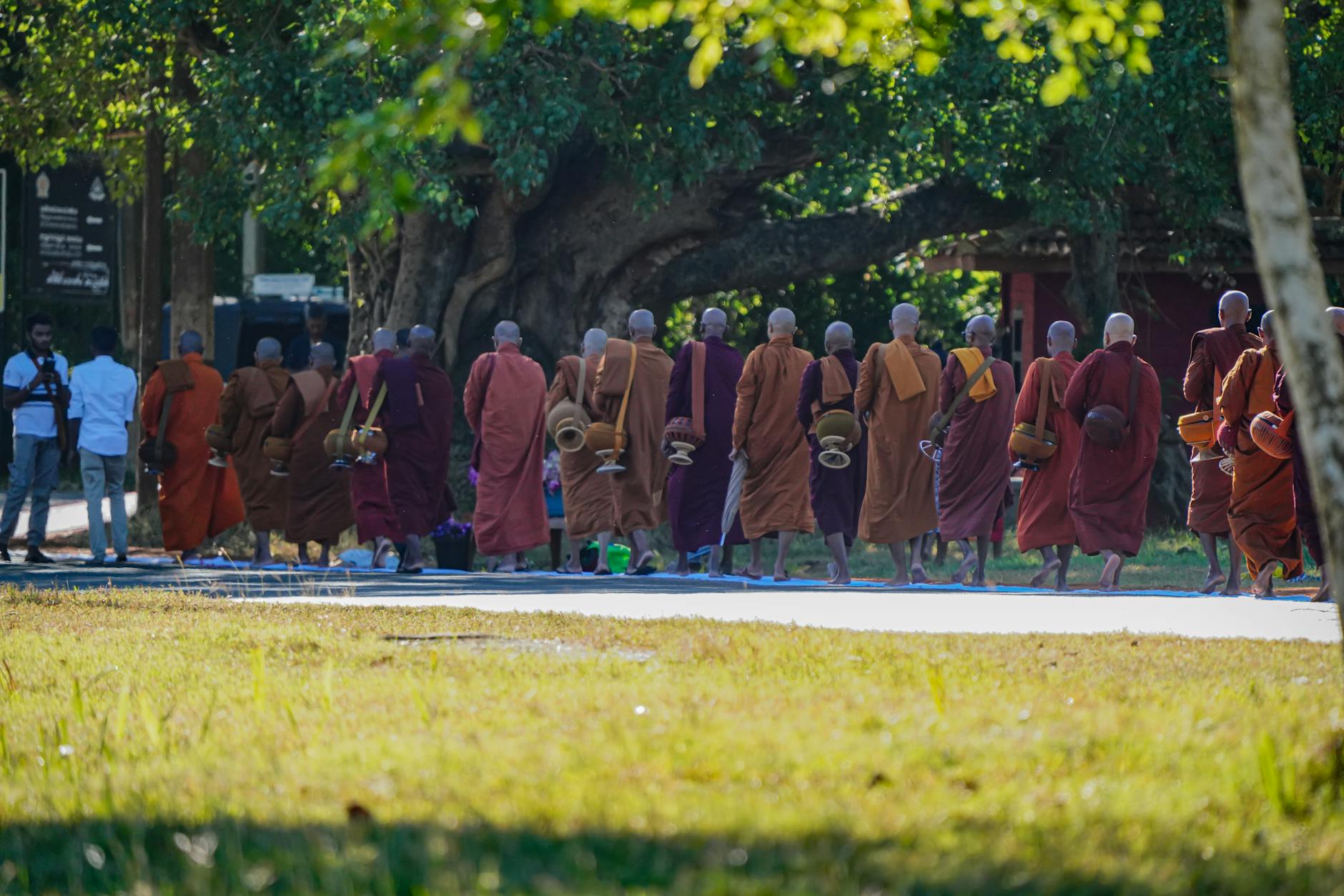
The day begins early, just as most merit-making days do in Thailand. Devout Buddhists rise before sunrise and head to their local temple carrying food, flowers, incense, and candles. The morning ritual—called tak bat—involves offering alms to monks as they walk barefoot through temple grounds or nearby streets. If you are staying anywhere near a temple, you will hear the soft murmur of chanting drifting from loudspeakers by 6 a.m.
Many Thais also release caged birds or fish as a symbolic act of liberation, mirroring the Buddha’s teaching of compassion toward all living beings. You will see vendors near temple gates selling small birds in bamboo cages specifically for this purpose.
Midday Observances and Sermons
Throughout the day, temples across the country host extended chanting sessions and sermons delivered by senior monks. These are not quick five-minute talks—expect sitting meditation and Dharma lectures that can run for hours. Devotees sit on the cool marble floor of the temple hall, hands pressed together in a wai, absorbing teachings about the Buddha’s life and the path to inner peace.
In Bangkok, temples like Wat Pho and Wat Benchamabophit fill to capacity by mid-morning. If you plan to visit, arrive well before 9 a.m. to find a quiet spot near the back where you can observe without disrupting worshippers.
The Wian Thian Candlelight Procession
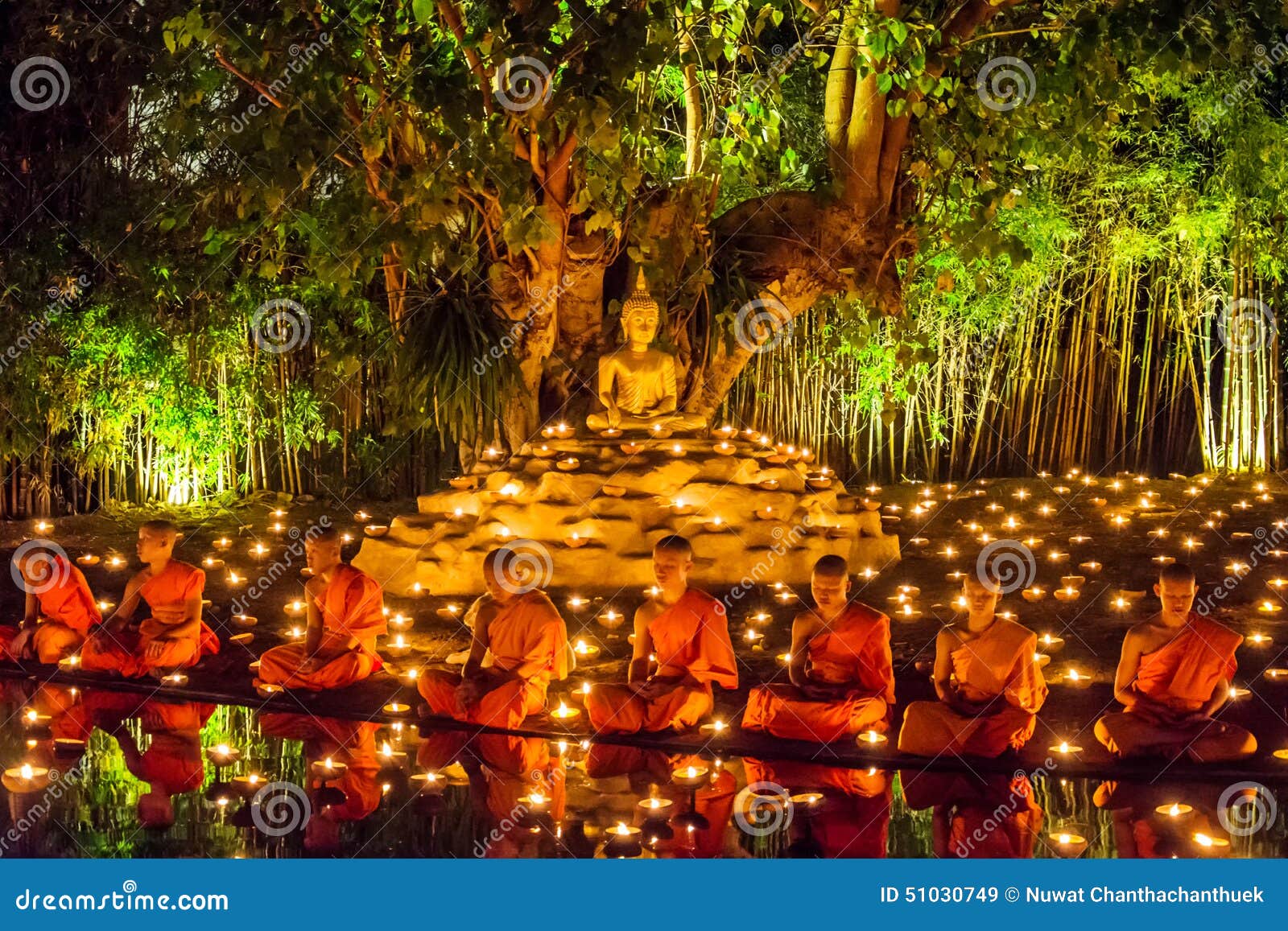
This is the moment every traveler who has witnessed it remembers. As evening arrives—around 7 or 8 p.m., depending on the temple—the congregation gathers for wian thian, the candlelight circumambulation. Everyone receives a lit candle, a joss stick, and a flower. Then, led by monks, the group walks clockwise around the temple’s main ordination hall (the ubosot) three times.
The three rounds each carry a distinct meaning. The first honors the Buddha himself. The second honors his teachings, the Dharma. The third honors the monastic community, the Sangha. The silence is what strikes you most. Aside from the soft shuffle of bare feet on stone and an occasional gong, hundreds of people move together in near-total quiet, candlelight flickering against temple walls.
The Alcohol Ban and What It Means for Travelers
One of the most visible impacts of Visakha Bucha Day on everyday life in Thailand is the 24-hour ban on alcohol sales. By law, bars, restaurants, supermarkets, and even hotel minibars are prohibited from selling alcohol from midnight to midnight. Most establishments comply without hesitation. Seven-Eleven clerks will point to taped-over beer fridges and shake their head apologetically.
This catches unprepared travelers by surprise. The night before, expat-heavy nightlife areas in Bangkok—Khao San Road, Sukhumvit Soi 11, Patpong—are noticeably quieter. Several bars simply close for the night rather than operate dry.
Plan ahead. If you want a drink with dinner on Visakha Bucha Day, you will be out of luck at any licensed venue. The ban is enforced nationwide with fines for violators, and police do conduct spot checks. Treat it as an opportunity rather than an inconvenience. Use the evening to attend a wian thian ceremony instead, and you will experience something far more memorable than another night out.
Where to Witness Visakha Bucha at Its Best
You can attend a wian thian ceremony at virtually any temple in Thailand, but a few locations stand out for their scale and atmosphere.
Wat Phra Dhammakaya (Pathum Thani)
The most visually staggering Visakha Bucha event happens about an hour north of downtown Bangkok at Wat Phra Dhammakaya, near Don Mueang Airport. This modern temple complex organizes a massive lantern-lighting and candlelight procession involving tens of thousands of participants seated in precise geometric formations across an enormous ceremonial ground. The images of glowing lanterns forming symmetrical patterns against a dark sky are nothing short of mesmerizing.
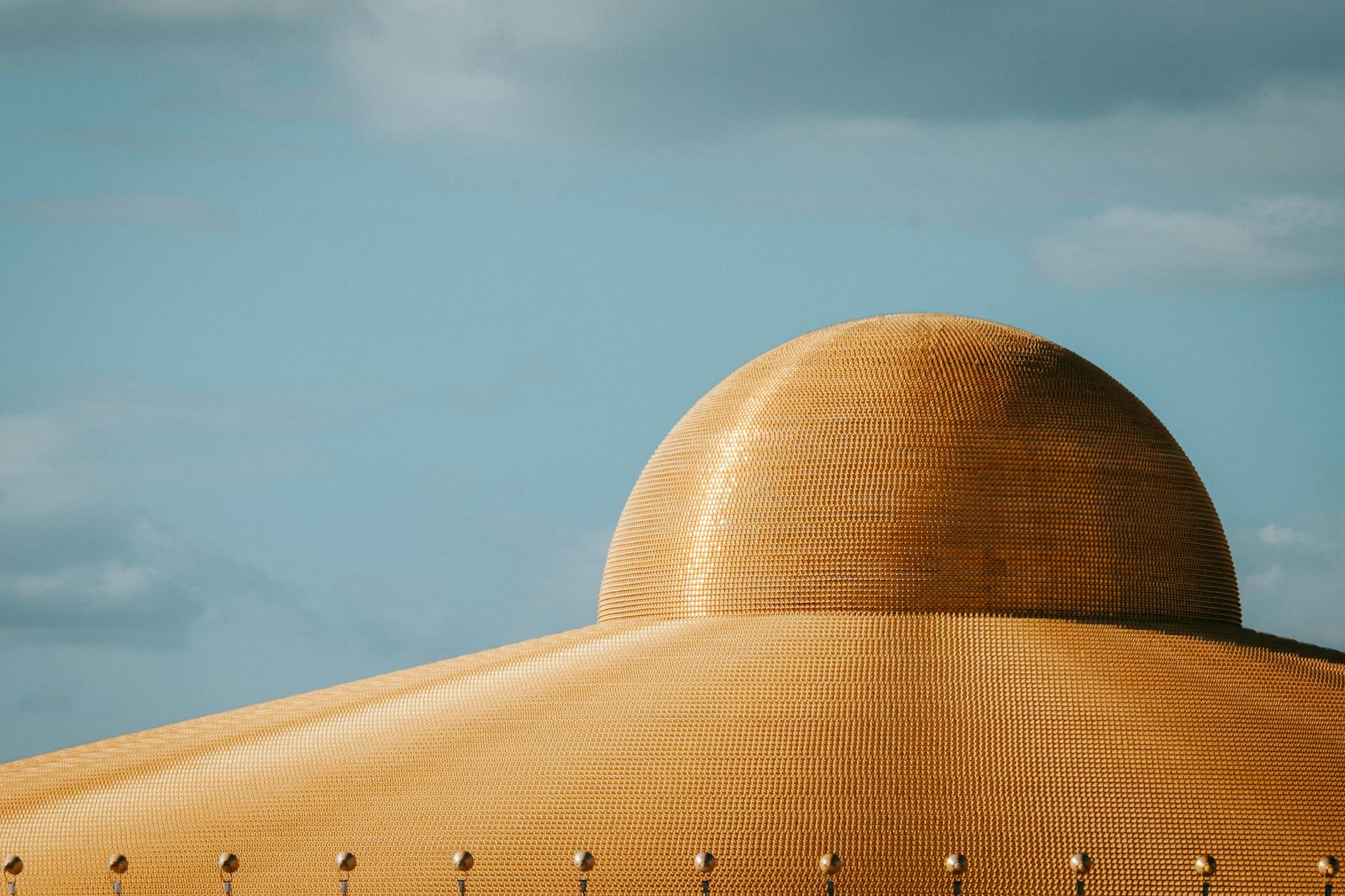
Be aware that Wat Phra Dhammakaya is a somewhat controversial organization within Thai Buddhism, and the crowds here are enormous. Arrive by mid-afternoon if you want a decent viewing spot. Shuttle buses run from central Bangkok for a nominal fee.
Temples in Old Bangkok
For a more traditional and accessible experience, head to the temples clustered around Bangkok’s Rattanakosin Island. Wat Pho, home of the giant reclining Buddha, runs an intimate evening procession that draws a mix of locals and respectful tourists. Wat Arun, the Temple of Dawn across the Chao Phraya River, is stunning at sunset and even more breathtaking when its silhouette is lit by hundreds of candles during wian thian.
Phutthamonthon (Nakhon Pathom)
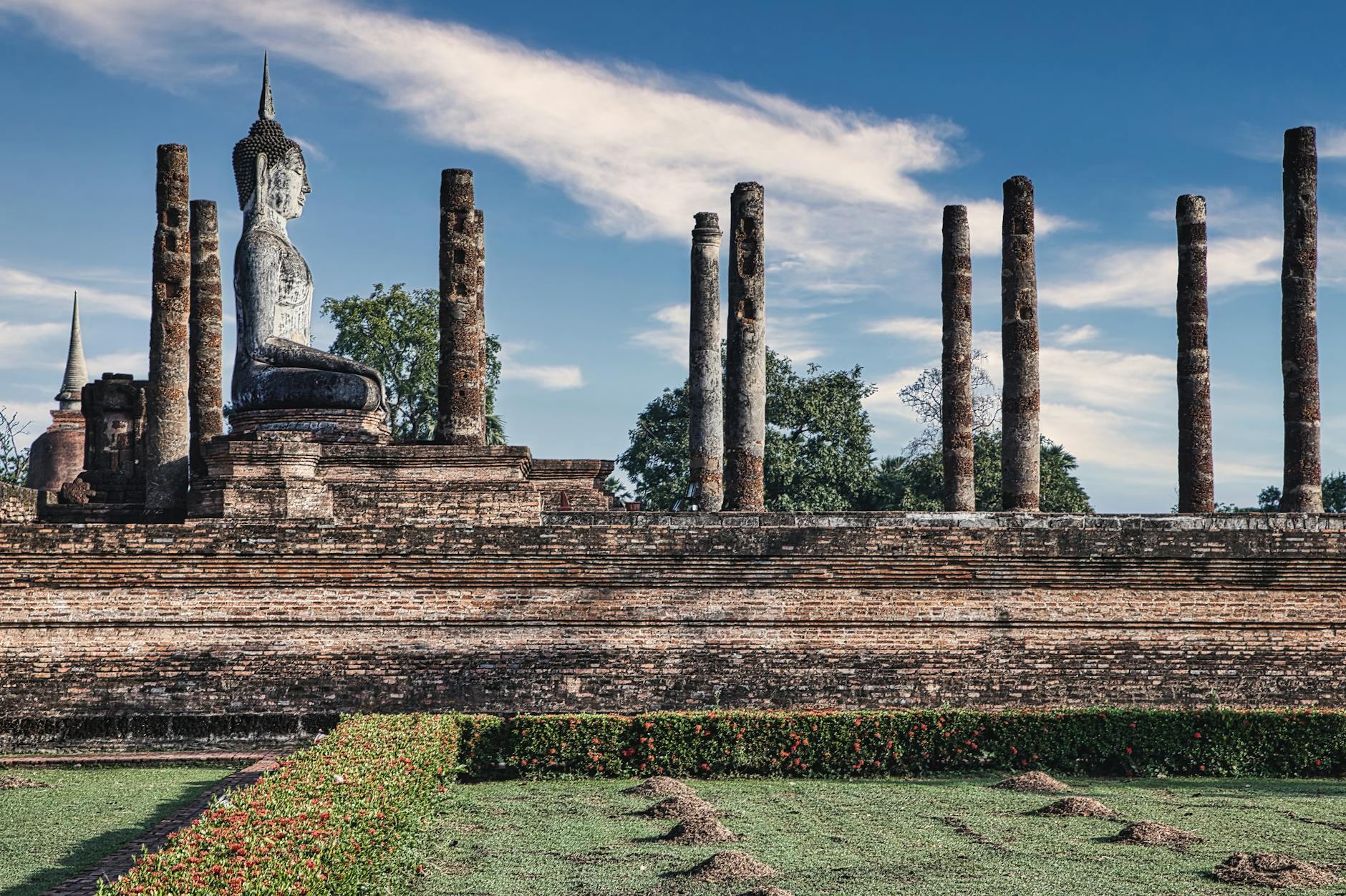
About an hour west of Bangkok in Nakhon Pathom province lies Phutthamonthon, a sprawling Buddhist park centered around a 15.8-meter-tall standing Buddha statue—one of the tallest freestanding Buddha images in the country. On Visakha Bucha Day, the park becomes a focal point for large-scale public worship. Monks from across the region gather, and the candlelight procession here takes on a serene, park-like atmosphere that contrasts with the dense crowds at city temples.
Local Temples Across the Country
Do not underestimate the power of a small-town temple ceremony. In Chiang Mai, the mountaintop Wat Phra That Doi Suthep runs a particularly atmospheric procession with panoramic views of the city lights below. In the south, temples in Krabi and Phang Nga hold ceremonies that blend Buddhist practice with subtle local traditions. Anywhere you are in Thailand on Visakha Bucha Day, your nearest temple will likely welcome you.
How Tourists Can Respectfully Participate
Visakha Bucha is not a tourist spectacle—it is a sincere religious observance. That said, you can absolutely take part without overstepping. Here is how to do it right.
Dress Code
Cover your shoulders and knees. This is non-negotiable at every temple in Thailand, and Visakha Bucha Day is the worst possible time to test boundaries. Wear loose, breathable clothing in muted or white tones—white is traditional for Buddhist holy days. Avoid shorts, tank tops, ripped jeans, leggings, and anything transparent. Remove your shoes before stepping onto any raised platform or into any prayer hall.
Behavior During the Ceremony
When the wian thian procession begins, line up with the crowd and accept a candle, incense, and flower if offered. Walk slowly and clockwise. Keep your voice to a whisper or stay completely silent. Do not take flash photos during the procession—the sudden burst of light is jarring and disrespectful. Smartphone photos without flash, taken discreetly and without blocking anyone’s path, are generally tolerated.
Do not point your feet toward Buddha images, monks, or the altar. If you sit on the temple floor, tuck your feet under you or sit in the “mermaid pose” with legs folded to one side. Never touch a monk if you are a woman—a simple wai with palms together is the correct greeting.
Timing Your Visit
Arrive at the temple around 6 p.m. to observe the chanting and preparation before the procession starts. The ceremony itself typically lasts 30 to 45 minutes. Afterward, many temples serve free vegetarian food to attendees—accepting a small plate is both polite and a lovely way to cap the evening.
Why Visakha Bucha Stays With You
I have been in Thailand for years, and Visakha Bucha remains the day I recommend most to travelers who want to see something beyond the beaches and night markets. There is no entrance fee, no tourist queue, no souvenir stall crowding the experience. Just the glow of candles, the soft echo of chanting, and the quiet hum of thousands of people choosing, for one evening, to move slowly and reflect.
Plan your trip around it if you can. Even if you skip every other cultural event on your itinerary, make space for this one.
You may also like
Related Articles
The Night Thailand Goes Quiet: 100,000 Candles and No Alcohol
Discover the significance of Makha Bucha Day, one of Thailand's most important Buddhist holidays. Learn about traditions, temple visits, candlelight processions, and how travelers can respectfully observe.
I Thought I Was Being Respectful — Until a Thai Elder Gently Corrected Me
Navigate Thailand's Buddhist festivals with confidence. Essential guide to temple dress codes, wian thian candlelight processions, monk etiquette, alcohol ban rules, and cultural dos and don'ts.
Candlelit Rivers, Floating Wishes, and One Night of Quiet Magic in Thailand
Experience the enchanting beauty of Loy Krathong, Thailand's festival of lights. Learn about its traditions, best celebration spots, and how to participate respectfully as a traveler.
Why Arriving One Day Too Early Changed Everything (And How to Avoid the Same Fate)
Plan your Thailand trip around the country's best festivals with this complete month-by-month calendar. From Songkran's water fights to Loy Krathong's lanterns — never miss a celebration again.