
 ChatGPT
  Gemini
  Claude
  Perplexity
 The Silver Week 2026 Challenge
Silver Week 2026 runs from Saturday, September 13 to Sunday, September 27, 2026. It is one of Japan’s two major Golden Week–period holiday clusters, and 2026 sees particularly strong travel demand. The first segment (September 13-15) follows the Obon travel rush, and the second segment (September 20-27) overlaps with the tail end of summer vacation for many Japanese schools.
This guide shows you how to experience Japan’s most iconic attractions during Silver Week without spending every minute in lines or competing with domestic tourists for the same viewpoints. The strategies here work because they’re built on how Japanese travelers actually move during this period: by understanding the daily flow patterns, regional crowd gradients, and timing tricks that locals use.
Daily Crowd Pattern: When to Visit Each Day
Japanese domestic travel during Silver Week doesn’t distribute evenly. The heaviest crowds hit on:
- Fridays and Saturdays — the official start days for most domestic trips
- Mid-week Wednesdays — when school-break families add an extra day off
- The final weekend (September 20-27) — extended holiday travel peaks
Your winning strategy: Arrive at major attractions 30–45 minutes before opening. Most Japanese tour groups don’t arrive until 10:00–10:30 AM, so the first 90 minutes after opening are your least-crowded window. Evening visits (after 6:00 PM) are also substantially lighter, especially at temples with night illuminations.
Attraction-by-Attention Crowd Strategy
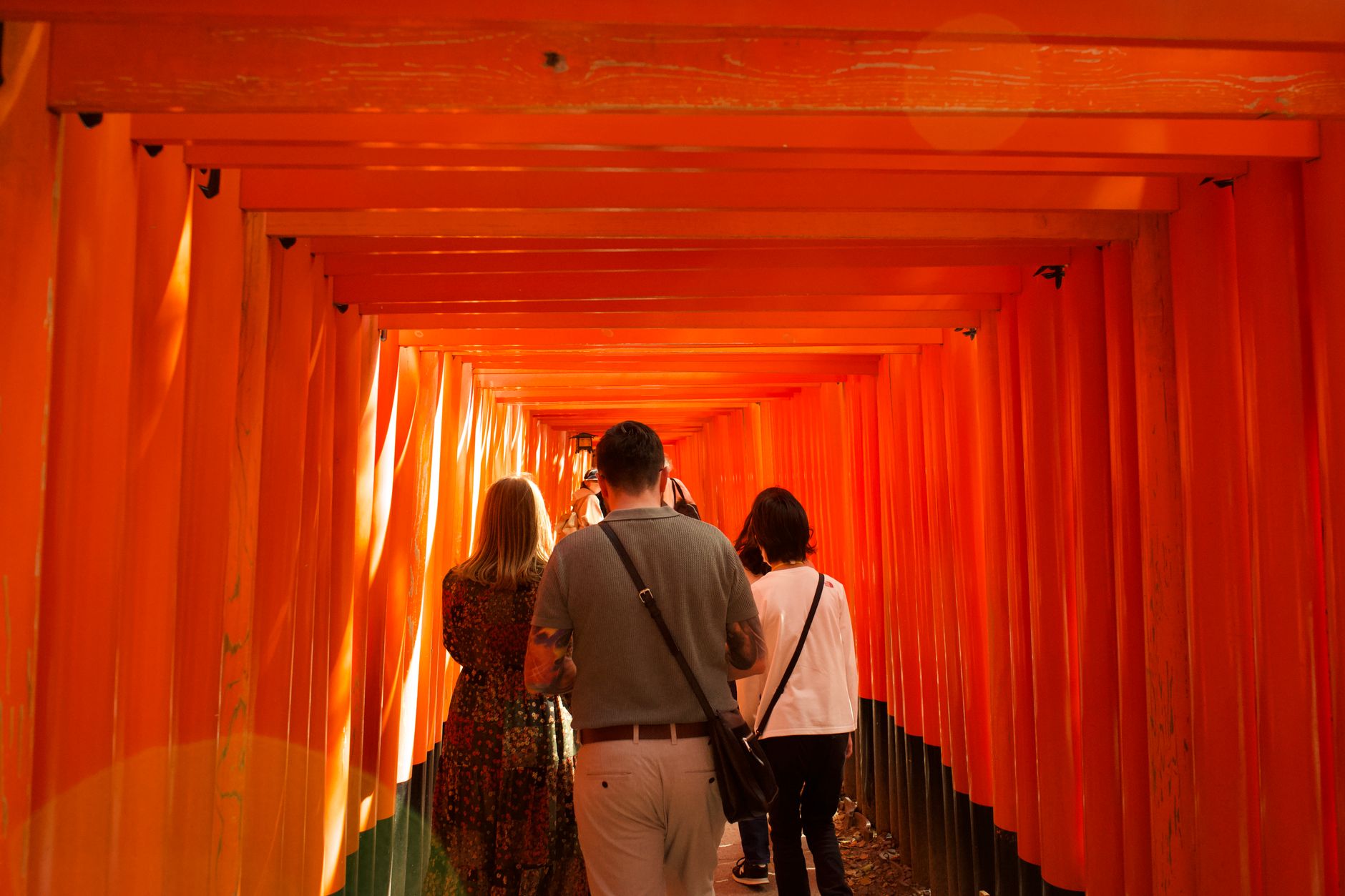
Fushimi Inari Taisha (Kyoto)
Problem: Thousands of vermillion torii gates, but the main trail gets gridlocked by mid-morning.
Solution: Take the JR Nara Line to Inari Station rather than the Keihan line, which deposits most tour groups at the base of the main gate. Walk up the inariyama side trail (the less-photographed path that circles the mountain) rather than the main approach. Peak color and fewer crowds: 7:30–9:00 AM and after 5:30 PM.
Arashiyama Bamboo Grove & Tenryu-ji (Kyoto)
Problem: The bamboo grove is iconic but effectively impassable between 11:00 AM–3:00 PM during peak weeks.
Solution: Arrive at 8:30 AM when the grove opens (30 minutes before Tenryu-ji). Complete the bamboo walk, then head to Nikko-koji (the side street parallel to the main street) for lunch—crowds are 60% lighter than the main arterial. Alternative: Visit Funaoka Onsen instead, a local hot spring 20 minutes by bus from Arashiyama, offering relaxation without the tourist crush.
Tokyo Skytree & Sumida River Area
Problem: Weekend crowds regularly exceed 30,000 at the Skytree observation decks.
Solution: Book a weekday evening slot (Friday or Saturday after 7:00 PM). The “Twilight Pass” offers ¥2,000 entry after 7:00 PM versus ¥2,100 daytime. The Sumida River promenade and Tokyo Solamachi lower levels remain excellent for photos without the vertical-crowd pressure. For a completely crowd-free alternative, visit Tokyo Tower at sunset—same height experience, 70% fewer visitors during Silver Week.
Regional Crowd Gradients: Where the Locals Go Instead
During Silver Week, Japanese travelers concentrate on the classic Tokyo–Kyoto–Osaka circuit. The gradient drops sharply beyond:
- Kanazawa (Hokuriku region): Direct Thunderbird train from Kanazawa Station offers autumn foliage, Higashi Chaya District, and seafood without the Kyoto crowd factor. Weekend crowd level: 30% of Kyoto’s.
- Matsuyime (Shikoku): Accessible via overnight ferry from Osaka; 80% of visitors are domestic Japanese seeking onsen, not foreign tourists. Weekend crowd level: 15% of Kyoto’s.
- Nikko (Tochigi): While popular, the Futarasan Shrine outer precinct sees 50% fewer visitors than Kyoto’s major temples, and the Kanman-ji temple mountain trail is virtually empty on weekdays.
Practical tip: Book accommodation in a secondary city (Kanazawa, Matsuyama, Nikko) and take day trips to the major sights. You’ll save 40–60% on lodging and experience the attraction with a fraction of the wait times.
Transport Hacks for Silver Week
- Reserve seats early but not too early: JR West and JR East open Shinkansen seat reservations one month ahead. Mark your calendar for August 13 to reserve September seats. Buying on the day-of during Silver Week risks standing-room-only cars.
- Use the “local trick”: Purchase a JR Kansai Area Pass (¥6,800, 2 days) for Kyoto/Osaka/Nara moves rather than individual tickets. It’s valid on both Shinkansen and local lines, and the pass pays for itself with just two round-trips.
- Night buses are your friend: Overnight buses from Tokyo to Kyoto cost ¥4,000–¥6,000 and arrive by 7:00 AM—perfect for the “30 minutes before opening” strategy at Fushimi Inari.
Budget for the Two New 2026 Costs
Fall 2026 is the first Silver Week where two new fees affect almost every visitor.
Japan’s departure tax tripled on July 1, 2026—from ¥1,000 to ¥3,000 per person. It is collected with your airfare. A family of four now pays ¥12,000 (about $80) extra on the way out.
Kyoto’s lodging tax rose sharply on March 1, 2026, and because Kyoto is the Silver Week destination, this one hits hardest. The tax is now tiered per night:
| Nightly room rate | Tax per person, per night |
|---|---|
| Under ¥20,000 | ¥200 |
| ¥20,000–¥49,999 | ¥500 |
| ¥50,000–¥99,999 | ¥1,000 |
| ¥100,000 and above | ¥10,000 |
Two practical consequences. First, peak-foliage Kyoto nights (roughly September 13–27) will be both scarce and taxed—book accommodation as soon as your dates firm up, and expect rates to move as demand pushes prices up. Second, staying in Osaka and day-tripping to Kyoto is now a meaningfully better deal than it was last year: the JR special rapid takes about 30 minutes for ¥580 each way, versus roughly ¥1,450 on the Tokaido Shinkansen for 15 minutes.
Beat the Crowds: Tactics That Actually Work
1. Go at Opening
Tofuku-ji opens at 9:00 AM and the queue by 9:30 can already be 40 minutes; be at the gate at 8:45 and you will walk the Tsutenkyo bridge nearly alone. This applies to every major temple during Silver Week.
2. Use Night Illuminations as Your Second Visit
Most major temples run evening light-ups (typically 5:30–9:00 PM, ¥500–1,000 entry). Crowds are thinner after 8:00 PM, and the lit maples are a genuinely different experience, not a repeat.
3. Pick One Crowd-Free Substitute Per Day
Kyoto has dozens of temples with foliage that never appear on Instagram itineraries—Genko-an’s famous twin windows, Sanzen-in’s moss gardens in Ohara (45 minutes from the city center), or the river gorge at Hozukyo, one stop from the Arashiyama crowds on the JR Sagano Line. If you need a starting point for a quieter Kyoto, our guide to free cultural experiences in Kyoto pairs well with the maples.
4. The “One Big Thing” Rule
Choose one major attraction per day and accept that the rest of the day will be lower-key museums, neighborhoods, or food markets. Trying to cram three major sights into a Silver Week day guarantees crowd fatigue.
Video: See the Strategy in Action
How to Adjust On the Ground (Because the Forecast Will Move)
First forecasts are directionally right and numerically wrong. The season-wide trend—late colors—is unlikely to reverse, but any specific date can shift by three to seven days once actual September and October temperatures are in. Two habits keep your trip flexible:
- Check live foliage reports in the two weeks before you fly. Weathernews Japan and the Japan National Tourism Organization (JNTO) publish front-line koyo reports with photos from each region, updated several times a week. They are in Japanese but readable with a translation app in seconds.
- Keep one flexible day per city. If Kyoto is two days behind forecast, spend the day in Nara (which peaks slightly earlier) or in the mountains around Kurama, and let the temples catch up to you.
The Bottom Line
Silver Week 2026 (September 13–27) brings a surge of domestic travelers to Japan’s most popular destinations, but with the right strategies you can experience the country’s iconic sights without the crush. Arrive 30–45 minutes before opening, use night illuminations as your secondary visit, pick one crowd-free substitute per day, and consider secondary cities for accommodation. Budget for the ¥3,000 departure tax and Kyoto’s new tiered lodging tax, reserve Shinkansen seats one month out, and build your days around early-morning temple visits rather than mid-afternoon crowds. The colors will be late this year—but travelers who adapt to the Silver Week rhythm will get the best of them.
Planning for Silver Week 2027? Mark your calendar: the next Silver Week runs September 19–October 5, 2027. The crowd strategies in this guide apply directly, but always check the latest JMC foliage forecast and tax updates before booking.
Related Articles
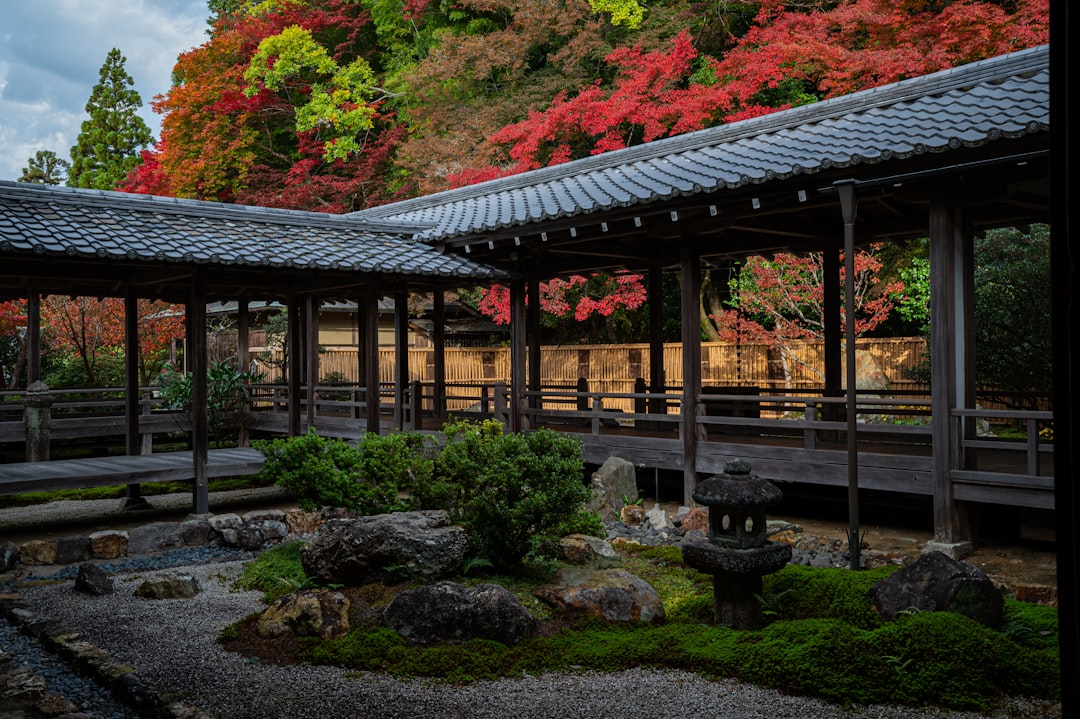
Japan's Autumn Leaves Are Running Late in 2026 — Here Are the Real Peak Dates
Japan's official 2026 fall foliage forecast is out, and this year the colors run late. Get the city-by-city peak dates for Tokyo, Kyoto, and Hokkaido, plus how to plan around Kyoto's new lodging tax and Japan's higher departure tax.
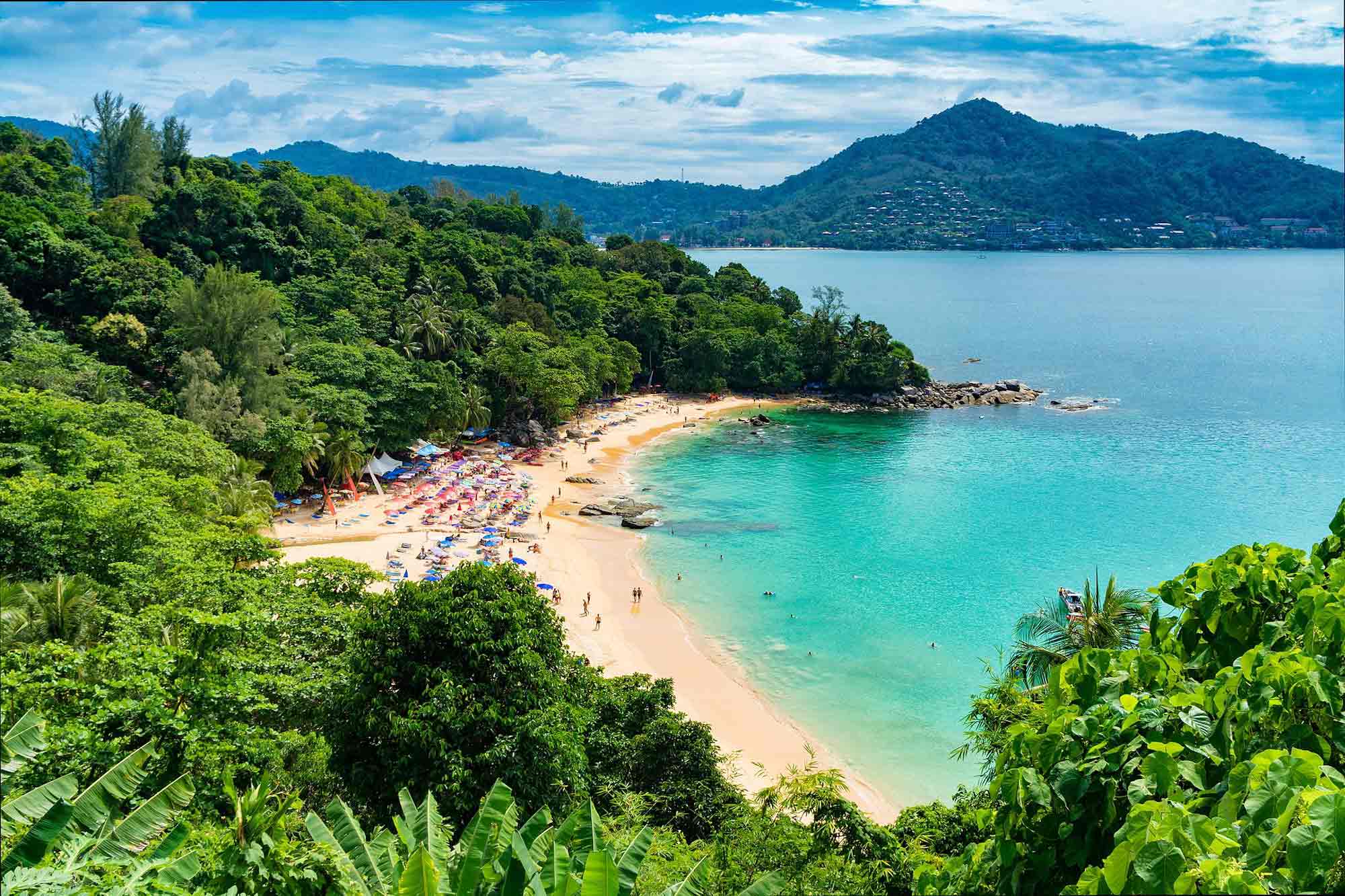
The Thailand Weather Pattern Most Guides Get Wrong (A Month-by-Month Fix)
Plan your Thailand trip around the right weather, crowds, and prices. See the best months for beaches, trekking, diving, and festivals — plus the Andaman vs Gulf coast monsoon inversion.
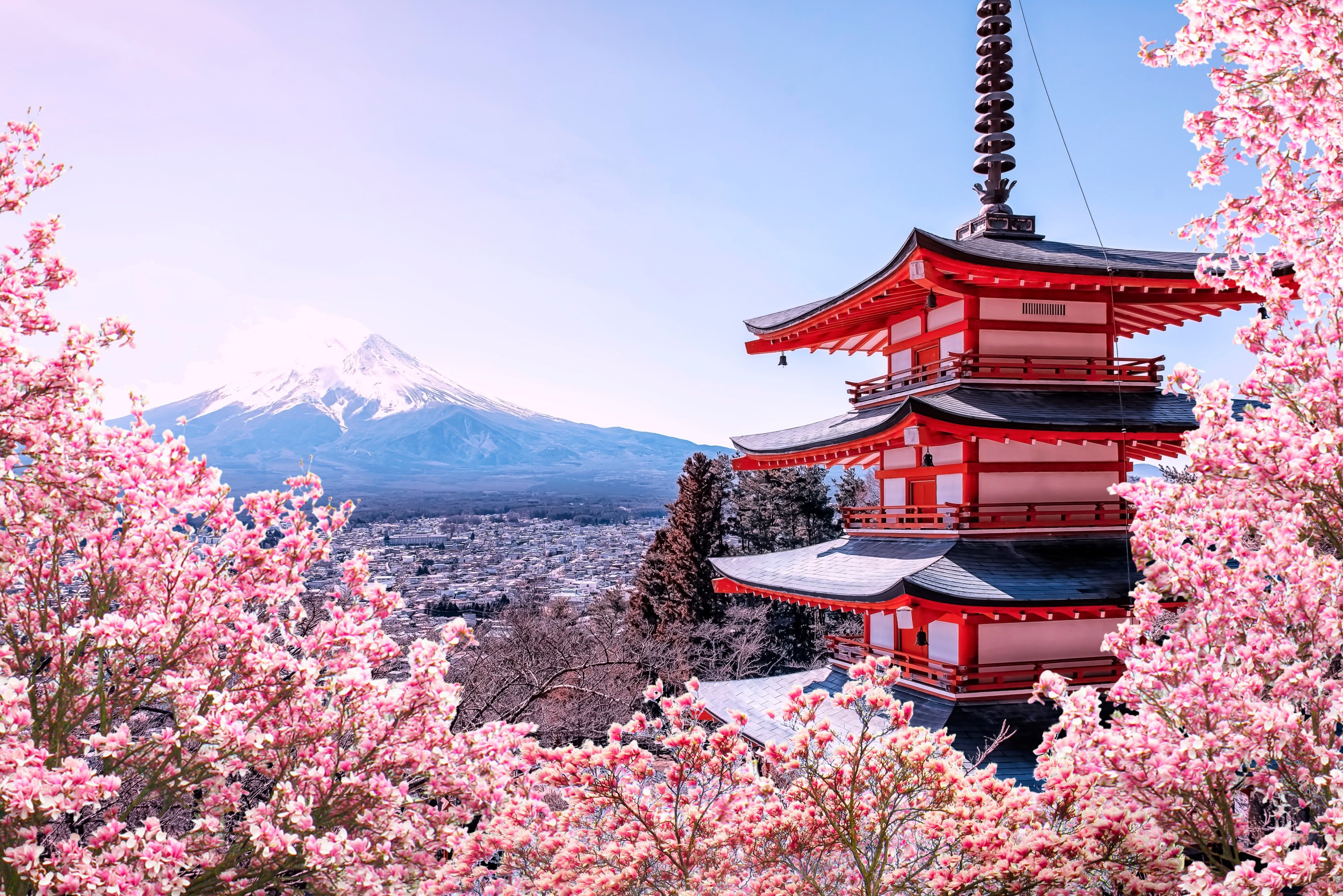
Guide to Japan's Cultural Festivals Through the Year
Discover Japan's captivating cultural festivals, from the ephemeral beauty of Sakura Matsuri to the vibrant energy of Gion Matsuri. Explore traditions, dates, and what to expect.

Experience Kyoto's Rich Culture for Free
Discover Kyoto's authentic charm without spending a yen! Explore 10 incredible free cultural experiences, from serene temple grounds to vibrant traditional districts.