
 ChatGPT
  Gemini
  Claude
  Perplexity
 If you have been holding off on booking a fall trip to Japan because the timing never felt certain, the wait is over. On September 2, 2026, the Japan Meteorological Corporation (JMC) released its first official autumn foliage forecast, and the headline is simple: this year’s colors are running late. A warmer-than-average autumn means the maples in Tokyo will not hit their peak until around November 29, and Kyoto—the country’s most photographed foliage destination—will not reach full red until roughly December 11.
That single fact changes most of the advice you have read. The classic “visit Kyoto in mid-November” rule will land you in front of trees that are still green in 2026. Here is what the forecast actually says, city by city, and how to build a trip around it—including the new taxes that will quietly add to your budget this year.
The 2026 Forecast, City by City
JMC’s first forecast predicts two separate peak dates for most cities: one for red maples (momiji) and one for yellow ginkgo (ichou). They are not the same event. In Tokyo, for example, the ginkgo avenues turn golden a few days before the maples finish flushing red. Plan around both.
| City | Red Maples (Momiji) Peak | Yellow Ginkgo Peak |
|---|---|---|
| Sapporo | ~November 7 | ~November 6 |
| Sendai | ~November 25 | — |
| Tokyo | ~November 29 | ~November 26 |
| Kanazawa | ~November 30 | — |
| Osaka | ~December 4 | ~November 24 |
| Kyoto | ~December 11 | ~November 27 |
| Fukuoka | ~December 7 | — |
The outlier is Sapporo, which is forecast to peak about ten days later than its historical average of October 28. Hokkaido’s higher elevations and national parks will still start turning in late September and early October as usual, but the city itself will hold its color into early November. If you were planning an early-October Hokkaido trip around the capital’s parks, shift it later or head for Daisetsuzan instead.
One honest caveat: this is the first forecast of the season, based on temperature patterns through August. JMC revises it in early October and again in late October, and the dates can move by several days either way. Treat this table as a planning anchor, not a guarantee, and re-check before you lock in non-refundable hotels.
Why Mid-November in Kyoto Is the Wrong Plan in 2026
Most foliage guides compress Japan’s autumn into a single window: “late November.” That works in an average year, and 2026 is not average. Persistent warmth through September and October means:
- Tokyo, Kyoto, and Osaka will still be green in the first half of November. Travelers arriving November 1–10 are likely to catch early color in gardens and mountainsides only.
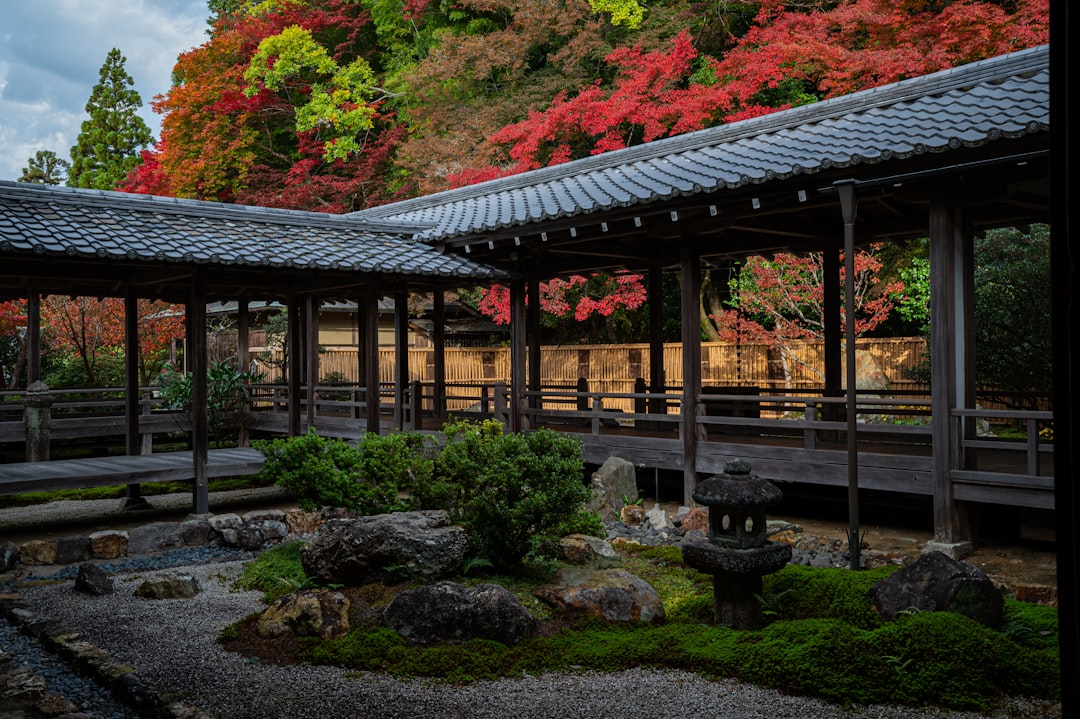
- The real red-leaf window is roughly November 25 to December 10 for the Tokyo–Kyoto–Osaka corridor, with Kyoto extending past December 11 for late-season maples at temples like Eikan-do (forecast around November 25 for its famous approach, with peak color holding into December).
- Ginkgo season overlaps but leads. In Kyoto, the ginkgo peak around November 27 means the golden trees at Nishiki Market’s side streets and university avenues will glow while the maples are still building.
This late season is actually good news for two groups. December travelers—often shut out of foliage advice entirely—get a genuine window in 2026. And anyone visiting over the late-November US Thanksgiving week will catch Tokyo at or very near its peak rather than arriving a week too early.
Budget for the Two New 2026 Costs
Fall 2026 is the first autumn where two new fees affect almost every visitor, and most trip budgets have not caught up.
Japan’s departure tax tripled on July 1, 2026—from ¥1,000 to ¥3,000 per person. It is collected with your airfare, so it will not surprise you at the airport, but a family of four is now paying ¥12,000 (about $80) extra on the way out. Factor it into flight comparisons; some fares listed before July will look cheaper than they now are.
Kyoto’s lodging tax rose sharply on March 1, 2026, and because Kyoto is the foliage destination, this one hits autumn travelers hardest. The tax is now tiered per night:
| Nightly room rate | Tax per person, per night |
|---|---|
| Under ¥20,000 | ¥200 |
| ¥20,000–¥49,999 | ¥500 |
| ¥50,000–¥99,999 | ¥1,000 |
| ¥100,000 and above | ¥10,000 |
Two practical consequences. First, peak-foliage Kyoto nights (roughly November 28 to December 8) will be both scarce and taxed—book accommodation as soon as your dates firm up, and expect rates to move as JMC’s October forecast updates confirm or shift the peak. Second, staying in Osaka and day-tripping to Kyoto is now a meaningfully better deal than it was last year: the JR special rapid takes about 30 minutes for ¥580 each way, versus roughly ¥1,450 on the Tokaido Shinkansen for 15 minutes.
Building Your Trip Around the Delayed Peaks
The sweet-spot windows
- Hokkaido and Tohoku: October 10 – November 10 for mountains and national parks; Sapporo itself around November 1–7.
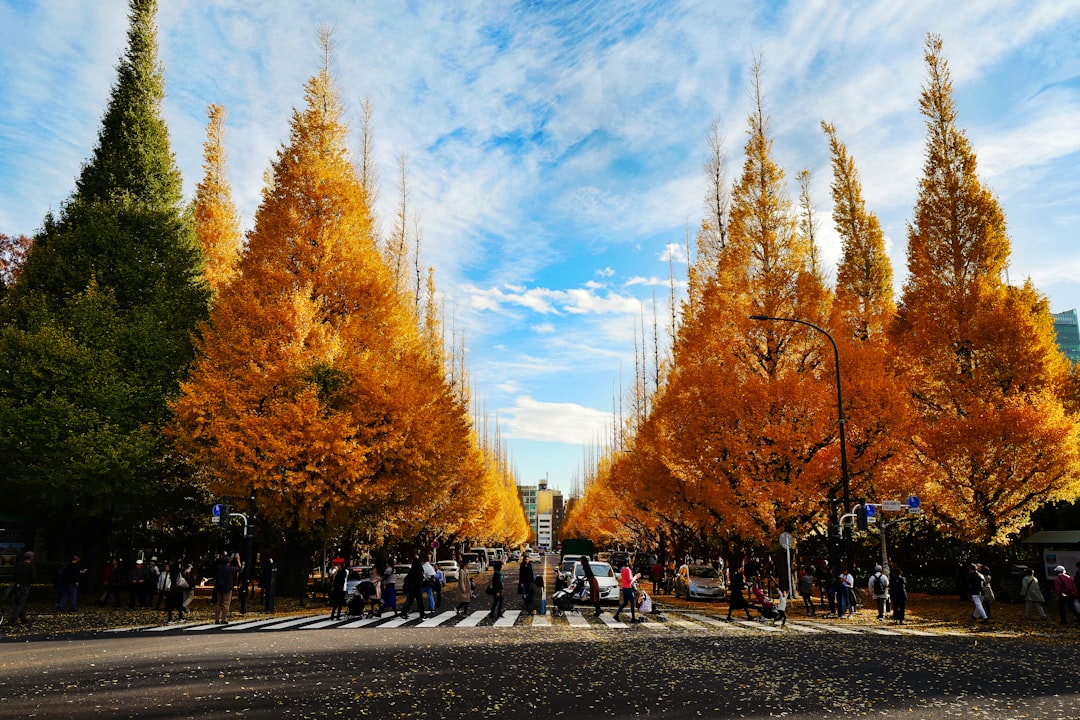
- Tokyo: November 24 – December 3. The ginkgo avenues along Meiji Jingu Gaien and the University of Tokyo turn first, with maples at Rikugien and Mount Takao holding through early December.
- Kyoto and Osaka: November 27 – December 8, with Kyoto’s temple maples at their best the first week of December. Tofuku-ji’s Tsutenkyo bridge and Kodaiji’s grounds sit right in this window.
- Hiroshima, Fukuoka, and Kyushu: early to mid-December—the country’s latest reliable color, ideal if you are traveling over Christmas markets-and-malls season.
If you only have one week and want the maximum color for your money, the last week of November is the answer in 2026: Tokyo peaks, Osaka’s ginkgo glows, and Kyoto is entering its window as you leave.
Beat the crowds that the late season will concentrate
A delayed season compresses everyone into the same two weeks. The temples that anchor every foliage itinerary—Tofuku-ji, Eikan-do, Kiyomizu-dera—will be at capacity on weekends in that window. Three tactics that actually work:
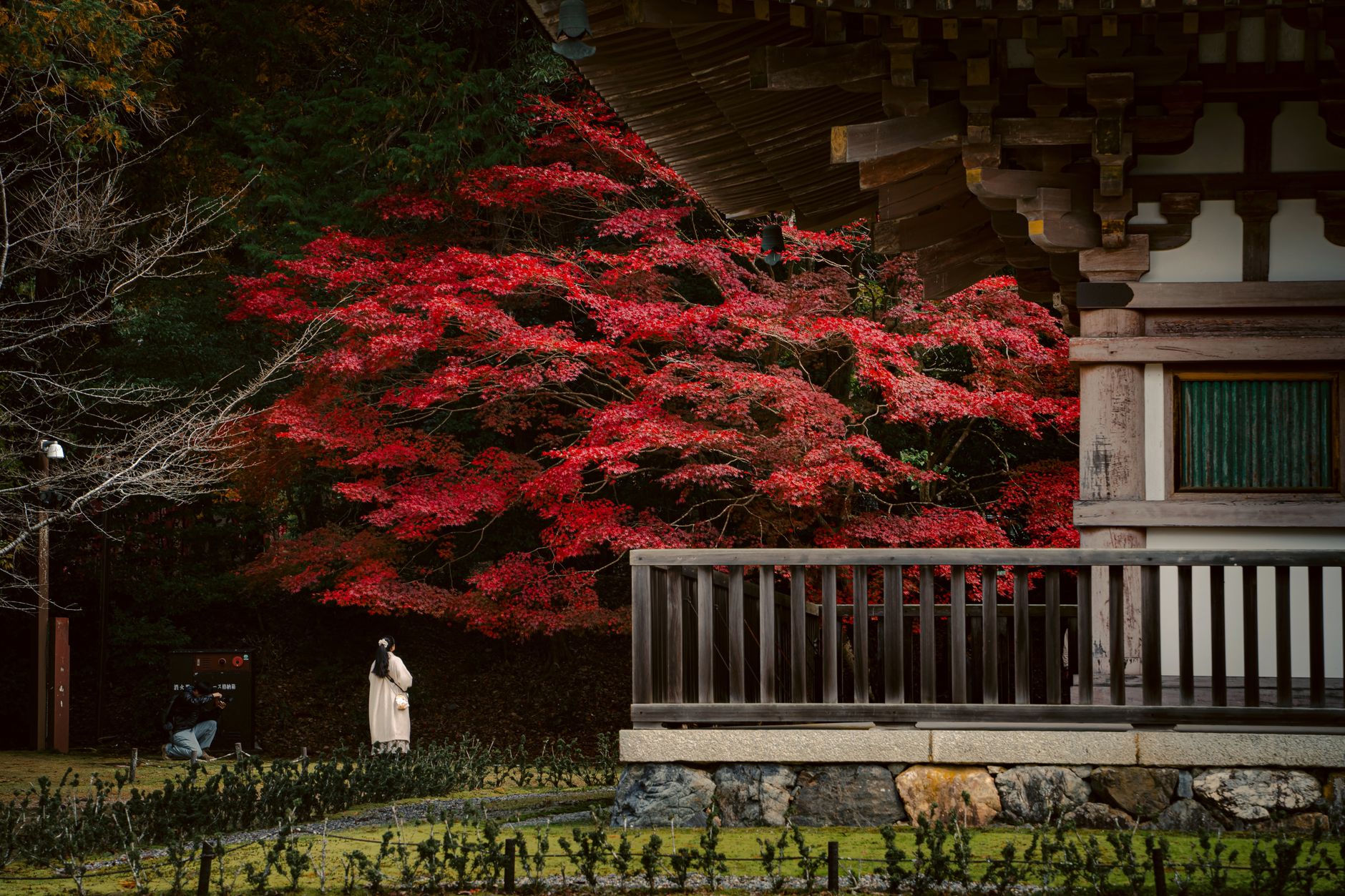
- Go at opening. Tofuku-ji opens at 9:00 AM and the queue by 9:30 can already be 40 minutes; be at the gate at 8:45 and you will walk the Tsutenkyo bridge nearly alone.
- Use night illuminations as your second visit. Most major temples run evening light-ups (typically 5:30–9:00 PM, ¥500–1,000 entry). Crowds are thinner after 8:00 PM, and the lit maples are a genuinely different experience, not a repeat.
- Pick one crowd-free substitute per day. Kyoto has dozens of temples with foliage that never appear on Instagram itineraries—Genko-an’s famous twin windows, Sanzen-in’s moss gardens in Ohara (45 minutes from the city center), or the river gorge at Hozukyo, one stop from the Arashiyama crowds on the JR Sagano Line. If you need a starting point for a quieter Kyoto, our guide to free cultural experiences in Kyoto pairs well with the maples.
And if Tokyo is your base, the foothills and gardens spread the crowds thin: Mount Takao by mid-morning, Rikugien Garden’s evening illuminations, and the Institute for Nature Study in Shirokanedai, where the woodland colors arrive with a fraction of Shinjuku Gyoen’s foot traffic. Our Tokyo hidden gems guide covers several of these in more detail.
Book transport before the October forecast lands
The counterintuitive move: reserve shinkansen seats and hotels now, before the second forecast. Once JMC’s early-October update confirms the late peak, prices for late November will climb. Japan’s rail booking opens one month ahead on most platforms, so set a calendar reminder rather than trying to buy six months out. If you are weighing a rail pass against individual tickets for a Tokyo–Kyoto–Hiroshima autumn loop, our guide to booking cheap overnight trains in Japan also covers when the pass stops making sense.
How to Adjust On the Ground (Because the Forecast Will Move)
First forecasts are directionally right and numerically wrong. The season-wide trend—late colors—is unlikely to reverse, but any specific date can shift by three to seven days once actual September and October temperatures are in. Two habits keep your trip flexible:
- Check live foliage reports in the two weeks before you fly. Weathernews Japan and the Japan National Tourism Organization (JNTO) publish front-line koyo reports with photos from each region, updated several times a week. They are in Japanese but readable with a translation app in seconds.
- Keep one flexible day per city. If Kyoto is two days behind forecast, spend the day in Nara (which peaks slightly earlier) or in the mountains around Kurama, and let the temples catch up to you.
The Bottom Line
Japan’s 2026 foliage season is shaping up to be the latest in recent memory: Sapporo around November 7, Tokyo around November 29, Kyoto not until December 11. Plan for the last week of November through the first week of December for the Tokyo–Kyoto corridor, budget for the ¥3,000 departure tax and Kyoto’s new tiered lodging tax, book the late-November nights before the October forecast update reprices them, and build your days around early-morning temple visits rather than mid-afternoon crowds. The colors will run late this year— travelers who adapt to the forecast will get the best of them.
Related Articles
The Thailand Weather Pattern Most Guides Get Wrong (A Month-by-Month Fix)
Plan your Thailand trip around the right weather, crowds, and prices. See the best months for beaches, trekking, diving, and festivals — plus the Andaman vs Gulf coast monsoon inversion.
30 Minutes Before Opening: The Silver Week 2026 Strategy That Beat Every Crowd in Japan
Silver Week 2026 (September 13-27) brings a surge of domestic travelers to Japan. This complete guide shows you how to avoid peak crowds at major attractions, time your visits perfectly, and enjoy popular destinations without the crush. Includes specific timing recommendations, alternative routes, and crowd-free backup locations for Fushimi Inari, Arashiyama, Tokyo Skytree, and more.

Experience Kyoto's Rich Culture for Free
Discover Kyoto's authentic charm without spending a yen! Explore 10 incredible free cultural experiences, from serene temple grounds to vibrant traditional districts.
How to Book Cheap Overnight Trains in Japan Without Paying Premium Sleeper Prices
Save hundreds on Japanese overnight trains with this exact booking system. Get affordable berths on JR and private lines using local apps and timing strategies that most tourists miss.