
 ChatGPT
  Gemini
  Claude
  Perplexity
 If you have been waiting for the “perfect” month to visit Thailand, here is the honest answer: there is no single perfect month for the whole country. Thailand is a long, narrow country with two coastlines, and the weather that makes one beach ideal can make another one rough.
The good news is that the pattern is predictable once you understand it. Thailand has three seasons — summer, rainy, and winter — and the best month for your trip depends on whether you want beaches, trekking, diving, or festivals. This guide breaks down the weather, crowds, and prices month by month so you can pick the right window for your own trip.
The Short Answer: Best Months by Trip Type
| Trip type | Best time | Why |
|---|---|---|
| Beaches on the Andaman coast (Phuket, Krabi) | November to April | Dry, sunny, calm seas |
| Beaches on the Gulf coast (Koh Samui, Koh Phangan) | January to August | Less rain, better sea conditions |
| Trekking in northern Thailand | November to February | Cool, dry, clear skies |
| Diving on the Andaman coast | November to April | Best visibility, calm water |
| Diving in the Gulf of Thailand | January to April | Best visibility and sea state |
| Festivals | April, November | Songkran in April; Loy Krathong and Yi Peng in November |
| Lowest prices and fewest crowds | May to October | Rainy season discounts, fewer tourists |
Thailand’s Three Seasons Explained
Thailand has three seasons: summer, rainy, and winter. The dates below are the standard ranges used by the Thai Meteorological Department and the Tourism Authority of Thailand, but the exact start and end can shift by a week or two depending on the year.
| Season | Months | What to expect |
|---|---|---|
| Summer | Mid-February to mid-May | Hot, humid, and dry in most regions |
| Rainy | Mid-May to mid-October | Southwest monsoon, heavy but usually short-lived downpours |
| Winter | Mid-October to mid-February | Cooler, drier, and the most popular time to visit |
Summer: Mid-February to Mid-May
The summer season, also called the pre-monsoon, runs from mid-February until mid-May and brings warmer weather across most of the country. During the hottest part of the year, from March to May, temperatures commonly reach 30°C (86°F) or higher, with coastal areas feeling a little more comfortable thanks to sea breezes.
This is a good time for beach holidays if you can handle the heat, but it is not the best time for long city walks or temple marathons in Bangkok. April is also the month of Songkran, Thailand’s famous water festival, which falls on April 13–15 each year.
Rainy Season: Mid-May to Mid-October
The rainy season, driven by the southwest monsoon, runs from mid-May to mid-October and prevails over most of the country. Moist air moves in from the Indian Ocean, bringing abundant rain to much of Thailand.
The wettest period of the year is August and September. Rain can occasionally lead to flooding, and the Intertropical Convergence Zone (ITCZ) and tropical cyclones can add to the heavy rainfall. That said, rainy-season travel has real advantages: fewer crowds, lower prices, and lush green landscapes. Rain usually comes in short, intense bursts rather than all-day drizzle, so it is still very possible to enjoy your trip.
Winter: Mid-October to Mid-February
The winter season, driven by the northeast monsoon, is active from mid-October until mid-February. It brings cold and dry air from China over most of Thailand.
For most of the country, this means dry weather and mild temperatures — which is why this is the peak tourist season. However, southern Thailand is the exception. The northeast monsoon brings mild weather and abundant rainfall to the eastern coast of the south, particularly during October and November.
Month-by-Month Weather, Crowds, and Prices
| Month | Weather | Crowds | Prices | Best for |
|---|---|---|---|---|
| January | Dry, warm, sunny | High | High | Beaches, diving, trekking |
| February | Dry, hot, sunny | High | High | Beaches, city sightseeing |
| March | Hot, dry | Moderate | Moderate | Beaches, early shoulder season |
| April | Very hot, dry | High (Songkran) | High | Songkran, beaches |
| May | Hot, start of rains | Low | Low | Budget travel, early green season |
| June | Hot, rainy season begins | Low | Low | Budget travel, lush scenery |
| July | Rainy, humid | Low | Low | Budget travel, fewer crowds |
| August | Wettest month | Low | Low | Budget travel, indoor activities |
| September | Wettest month | Low | Low | Budget travel, waterfalls |
| October | Rain tapering, south still wet | Low to moderate | Low to moderate | Shoulder season, festivals |
| November | Dry in most regions, south still wet | High | High | Loy Krathong, Yi Peng, beaches |
| December | Dry, cool, sunny | Very high | Very high | Beaches, trekking, diving |

The Andaman Coast vs the Gulf Coast: The Monsoon Inversion
One of the most important things to understand about Thailand weather is that the two coastlines behave differently. This is the difference that trips up many first-time visitors.
Andaman Coast: Phuket, Krabi, Khao Lak, and the Phi Phi Islands
The Andaman coast faces the Indian Ocean. Its best weather runs from November to April, when the seas are calm and the skies are generally clear. From May to October, the southwest monsoon brings rough seas, heavy rain, and many boat services stop running.
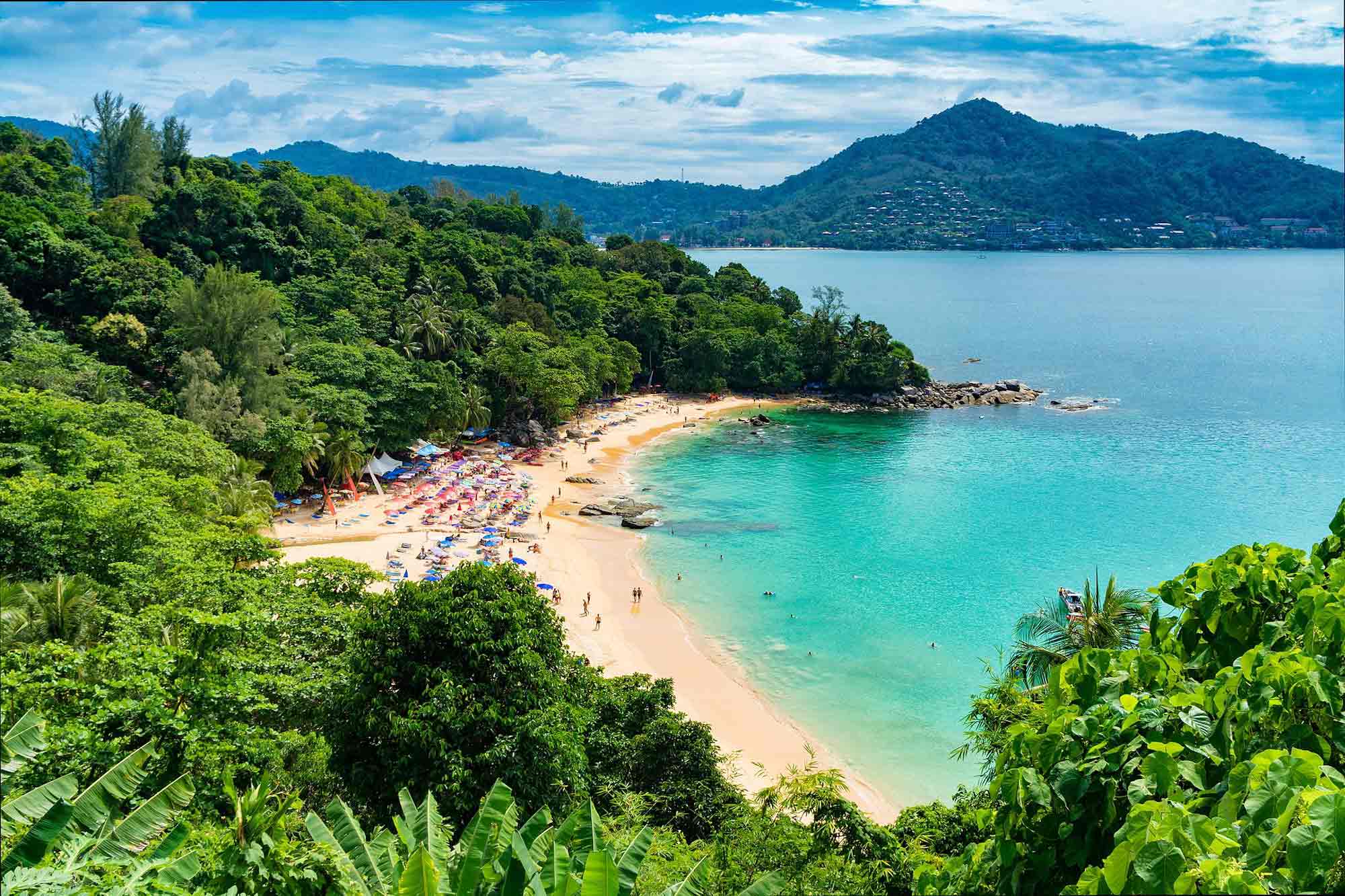
If you are planning a beach trip to Phuket, Krabi, or the Phi Phi Islands, the best months are November to April.
Gulf Coast: Koh Samui, Koh Phangan, and Koh Tao
The Gulf coast has a different pattern. It is often at its best from January to August, while the Andaman coast is entering its rainy season. The Gulf’s wettest period is typically October to December, when the northeast monsoon brings rain to the eastern side of southern Thailand.
If you are planning a beach trip to Koh Samui, Koh Phangan, or Koh Tao, the best months are January to August.
The Quick Rule
- Phuket, Krabi, Khao Lak, Phi Phi: best from November to April.
- Koh Samui, Koh Phangan, Koh Tao: best from January to August.
- Bangkok, Chiang Mai, and the north: best from November to February.
Best Time by Activity
Beach Holidays
For the classic beach holiday, aim for the dry season. On the Andaman coast, that means November to April. On the Gulf coast, that means January to August.
If you want the best balance of good weather and reasonable prices, consider the shoulder months: November on the Andaman coast or January on the Gulf coast.
Trekking in Northern Thailand
For trekking in Chiang Mai, Chiang Rai, and the surrounding mountains, the best time is November to February. The weather is cooler and drier, and visibility is excellent.
Avoid March to April if you are sensitive to smoke, as this is when farmers burn fields and air quality in the north can deteriorate significantly.
Diving and Snorkeling
For diving on the Andaman coast, the best visibility and calmest seas are from November to April. In the Gulf of Thailand, the best conditions are usually from January to April.
If you are planning to dive in Koh Samui, check the local dive operators’ seasonal schedules, as the monsoon can affect boat departures from September to December.
Festivals and Cultural Travel
Thailand’s biggest festivals fall in two main windows:
- April: Songkran, the Thai New Year water festival, is celebrated nationwide from April 13–15.
- November: Loy Krathong and Yi Peng lantern festival, especially beautiful in Chiang Mai.
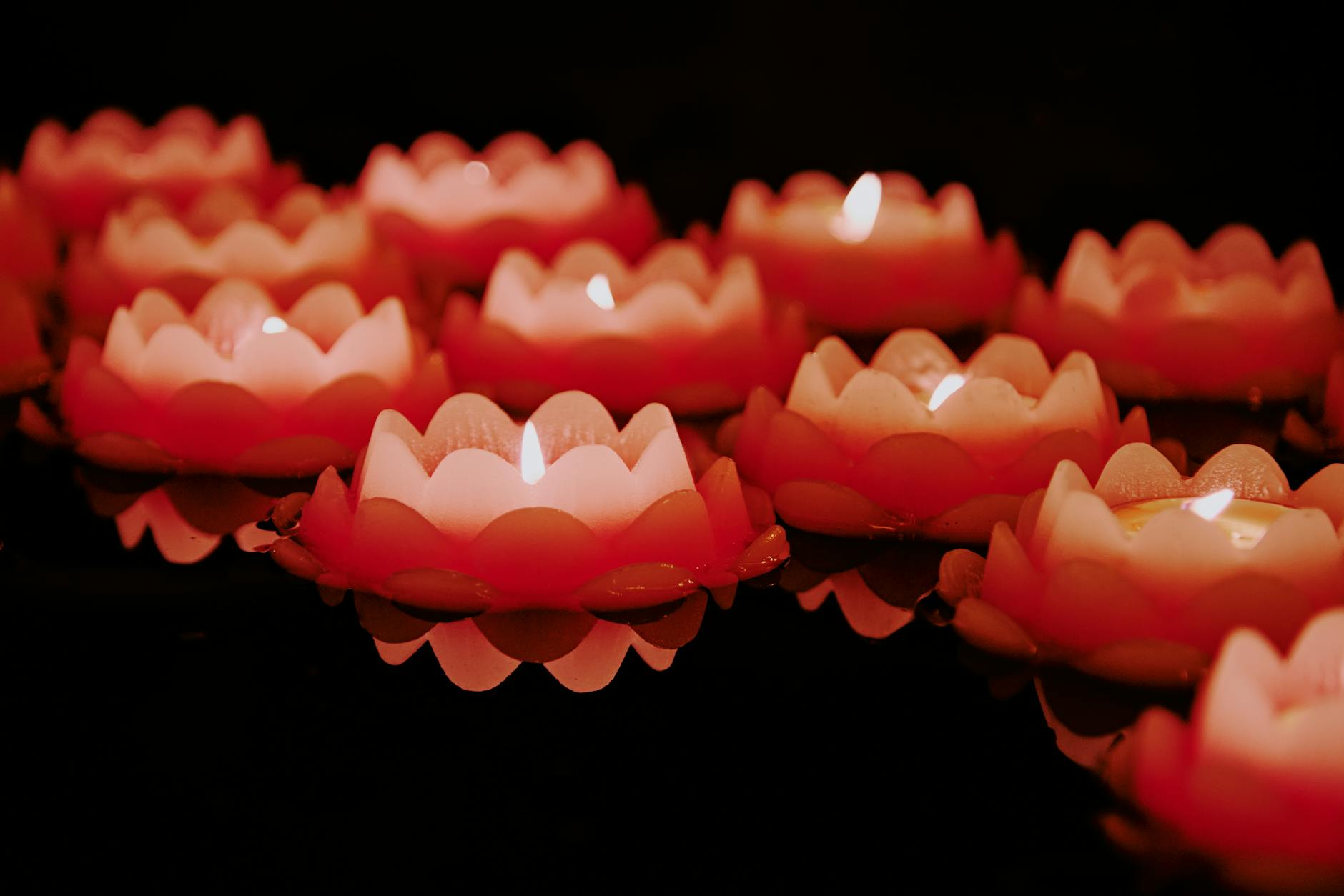
If you want to attend these festivals, book accommodation and transport well in advance, as prices rise and rooms sell out quickly.
Shoulder-Season Strategy: Cheaper, Quieter, Still Worth It
The shoulder seasons — May to June and October — are often the smartest time to visit Thailand if you want to save money and avoid crowds.
May to June
The rains have started, but they are usually short and predictable. You will find lower hotel rates, fewer tourists, and lush green landscapes. This is a great time for budget travelers and photographers.
October
October is a transition month. The rain is tapering off in most of the country, but the south can still be wet. It is a good time for temple visits, city sightseeing, and early beach trips if you are flexible.
The Bottom Line
There is no single best month to visit Thailand. The right choice depends on what you want to do and which part of the country you want to see.
- For the best all-round weather: visit from November to February.
- For the Andaman coast: visit from November to April.
- For the Gulf coast: visit from January to August.
- For the best prices and fewest crowds: visit from May to October.
- For festivals: plan around April (Songkran) or November (Loy Krathong and Yi Peng).
Once you know the season pattern, planning a Thailand trip becomes much easier — and you can stop worrying about whether you picked the “perfect” month.
Sources
Related Articles
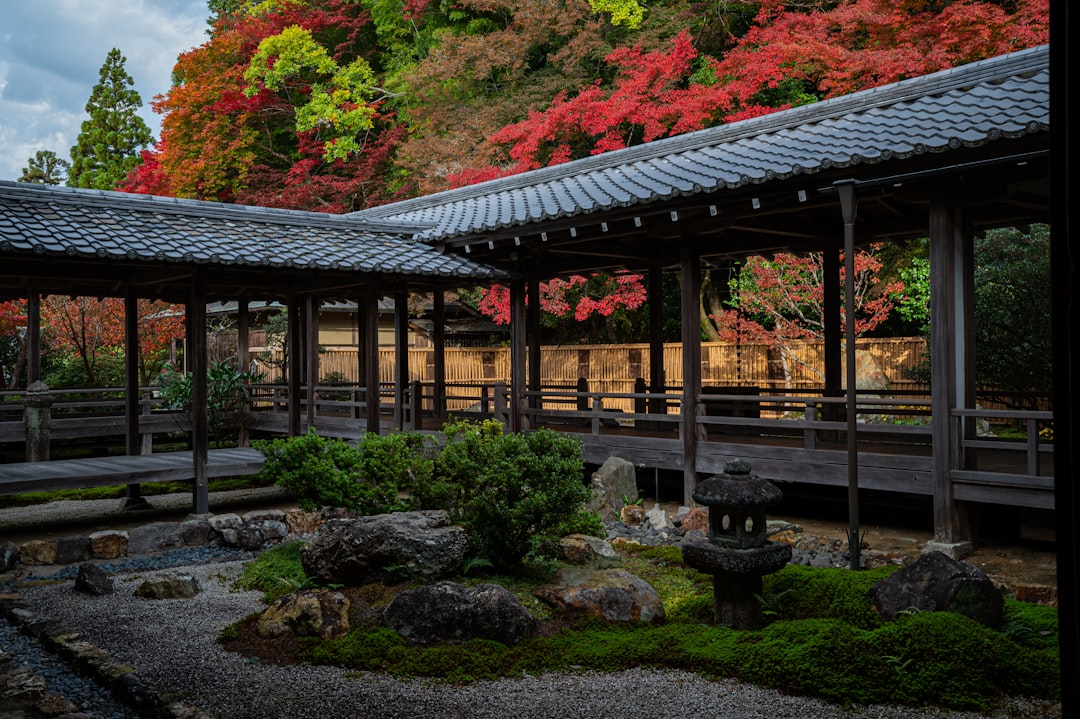
Japan's Autumn Leaves Are Running Late in 2026 — Here Are the Real Peak Dates
Japan's official 2026 fall foliage forecast is out, and this year the colors run late. Get the city-by-city peak dates for Tokyo, Kyoto, and Hokkaido, plus how to plan around Kyoto's new lodging tax and Japan's higher departure tax.
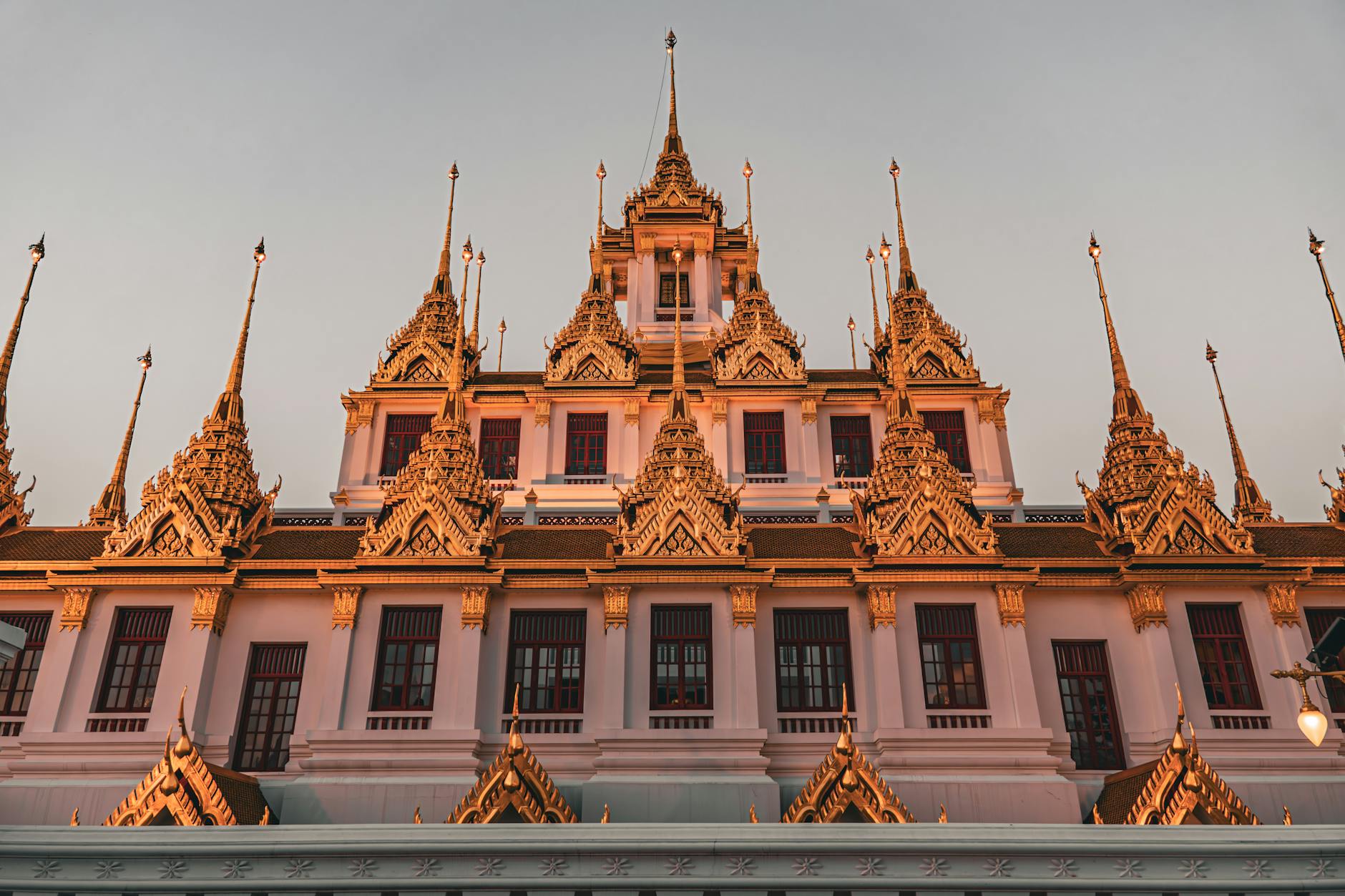
The Day Buddha Spoke for the First Time — and How Thailand Still Marks It 2,500 Years Later
Discover Asahna Bucha Day and Khao Phansa, marking the beginning of Buddhist Lent in Thailand. Learn about candle festivals, monk retreats, and how travelers can respectfully participate.

Suvarnabhumi Airport Hacks: From 'Golden Land' to City in 45 Minutes
Navigate Suvarnabhumi Airport (BKK) in Bangkok with ease. This comprehensive guide covers arrivals, departures, transportation, facilities, and essential tips for a smooth journey.

The Bangkok MRT Rules Tourists Keep Breaking (Without Knowing)
Master Bangkok's MRT with our etiquette guide. Learn queueing rules, seat etiquette, noise policies, and rush hour tips for a smooth, respectful ride.