
 ChatGPT
  Gemini
  Claude
  Perplexity
 Imagine stepping out of your hotel onto a street where every single person — from toddlers to grandparents — is armed with a water gun, a bucket, or a garden hose, and absolutely nobody is safe. Welcome to Songkran.
Songkran isn’t just a water fight. It’s Thailand’s most important holiday, a three-day celebration marking the traditional Thai New Year that blends ancient Buddhist rituals with what has become the world’s biggest, most joyful street party. If you’ve seen the videos and wondered whether it lives up to the hype — it does, and then some.
I’ve celebrated Songkran in three different Thai cities over the years, and every single time I’ve come away soaked, sunburned, grinning, and genuinely moved by the warmth of the people around me. Here’s everything you need to know to experience it for yourself.
What Is Songkran? The Story Behind the Splashes
Songkran comes from the Sanskrit word saṅkrānti, meaning “to move” or “to pass into” — a reference to the sun’s transition from one astrological sign to another. For centuries, this was a quiet, sacred time. Families would return to their home provinces, visit temples to offer food to monks, and gently pour scented water over Buddha statues and the hands of elders as a gesture of cleansing and blessing.
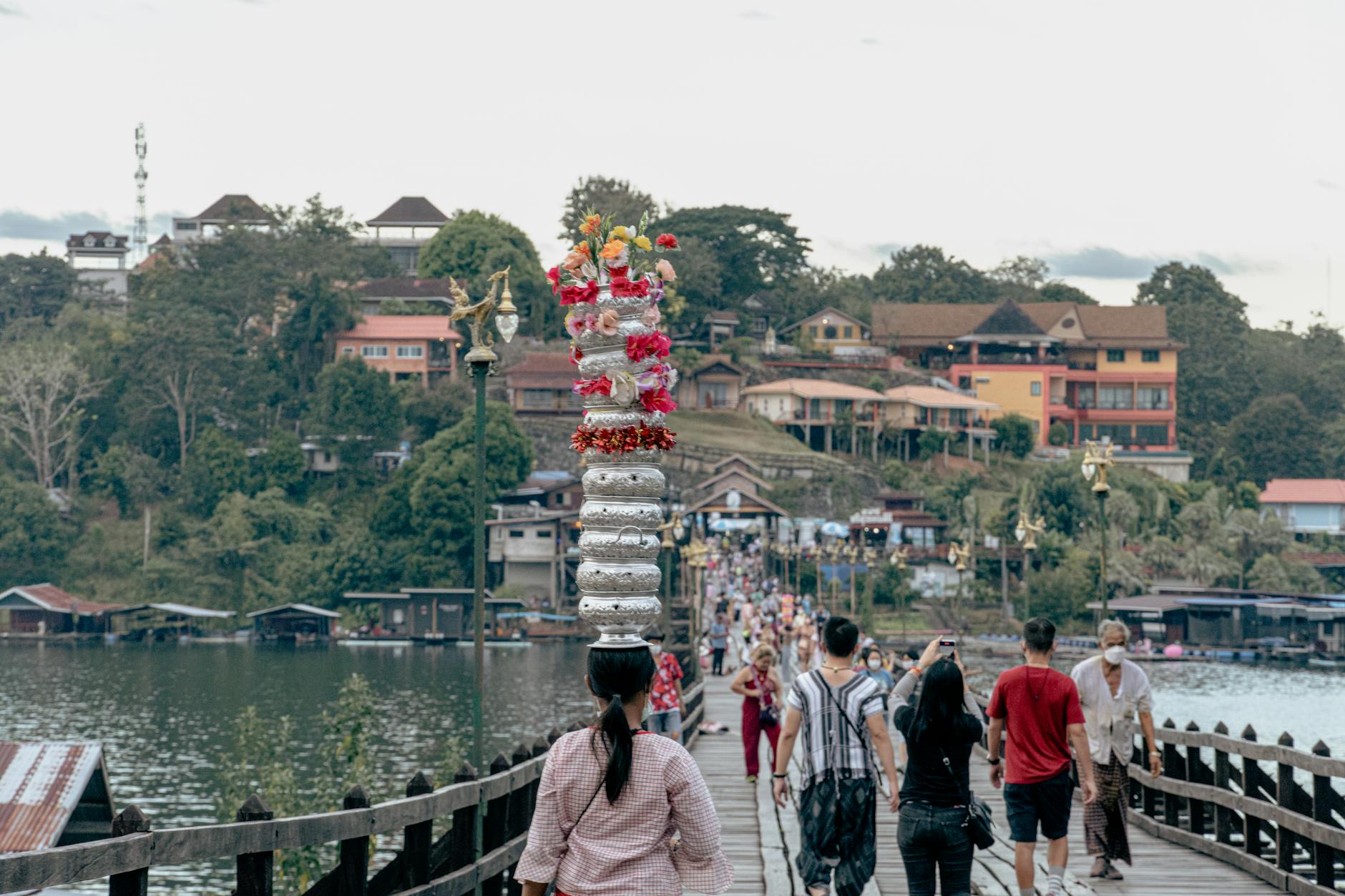
That water-pouring tradition is the seed from which the modern festival grew. Over time, what started as a few respectful drops on a loved one’s shoulder evolved into the full-blown water war you see today. But here’s the thing most first-timers miss: beneath all the chaos, the spiritual heart of Songkran still beats strong. You’ll see it in the morning alms-giving, the sand pagodas built at temple grounds, and the quiet moments when someone pauses the splashing to give an elder a respectful wai.
When Is Songkran? Mark Your Calendar
Songkran officially runs April 13 to April 15 every year. That said, the dates can stretch depending on where you are:
- April 12: Celebrations often kick off a day early in Chiang Mai and parts of the north.
- April 13: The official start — known as Maha Songkran Day. This is when the water fighting hits full intensity nationwide.
- April 14: Wan Nao — a day for family, temple visits, and preparing offerings.
- April 15: Wan Thaloeng Sok — Thai New Year’s Day itself, marked by merit-making and continued celebrations.
- April 16–19: Chiang Mai keeps the party going. Pattaya stretches its celebration to April 19, with the famous Wan Lai finale on that day.
Pro tip: if you’re flying into Thailand during Songkran, book everything — flights, hotels, buses — at least a month in advance. This is the busiest domestic travel week of the year, and seats sell out fast.
Where to Celebrate: The Best Songkran Battlefields
The entire country turns into a water-soaked playground, but each city brings its own flavor. Here’s where you should be.
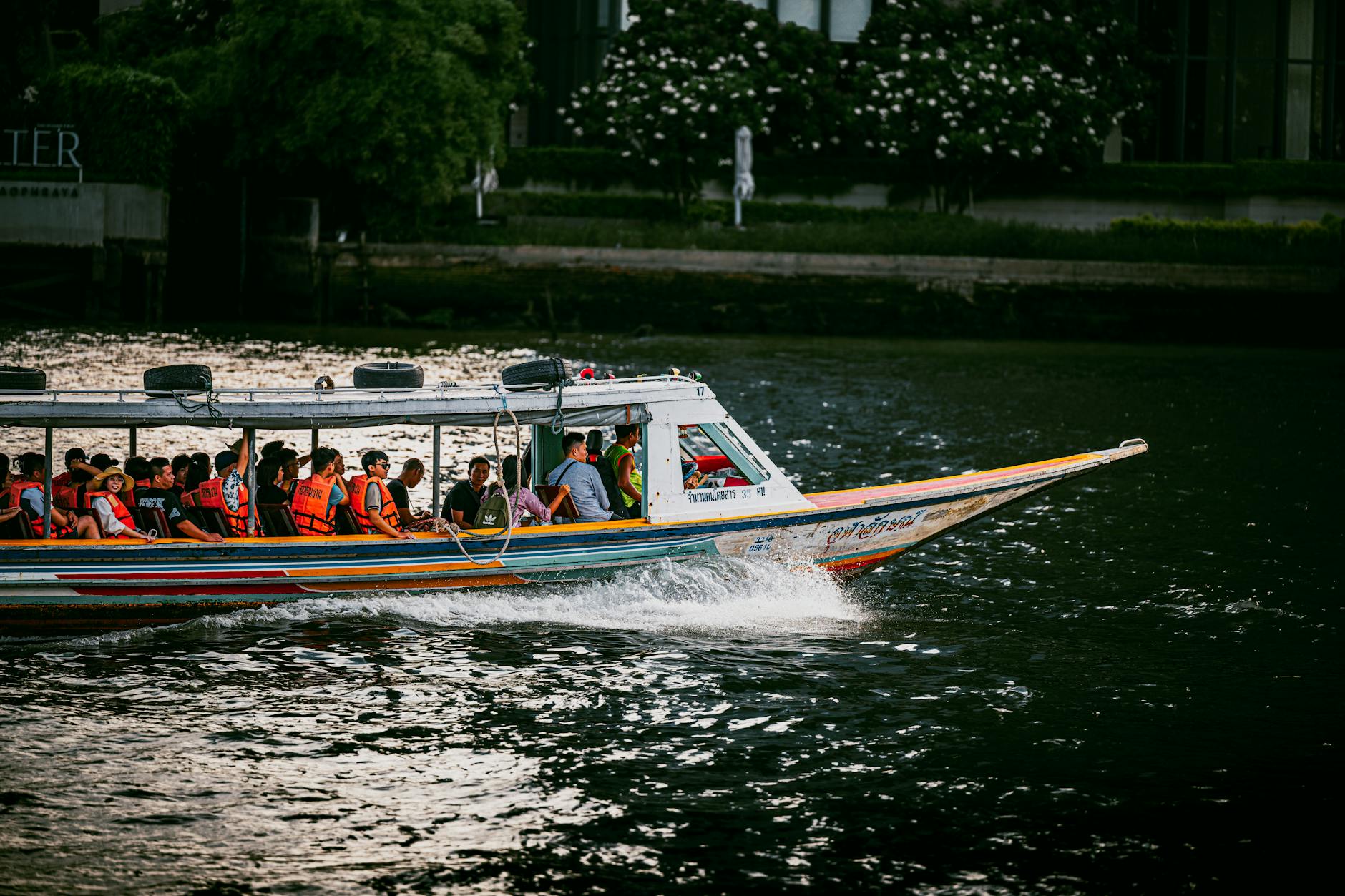
Bangkok: Khao San Road and Silom
If you want Songkran turned up to eleven, Bangkok delivers. Two zones dominate:
Khao San Road is the backpacker epicenter. The narrow street becomes a shoulder-to-shoulder river of bodies, foam, and dance music. It’s loud, chaotic, and an absolute rite of passage. Expect DJs on makeshift stages, fire hoses from rooftops, and an energy level that borders on feral. Go here if you’re under 30 and want the full-on rave-with-water experience.
Silom Road (between Sala Daeng BTS and Chong Nonsi BTS) stretches a full 1.5 kilometers and attracts a more mixed crowd — locals, expats, families, and tourists all shoulder to soggy shoulder. The BTS skytrain stations at either end make it super accessible. Silom feels slightly more manageable than Khao San, but don’t mistake that for tame — the water pressure here is no joke.
Chiang Mai: The Old City Moat — The Spiritual Epicenter
For my money, Chiang Mai hosts the best Songkran in Thailand. The entire Old City — ringed by a historic moat — transforms into one enormous, continuous water battle. You simply walk around the moat, refill your bucket from its (surprisingly clean) waters, and join whichever block party looks best.
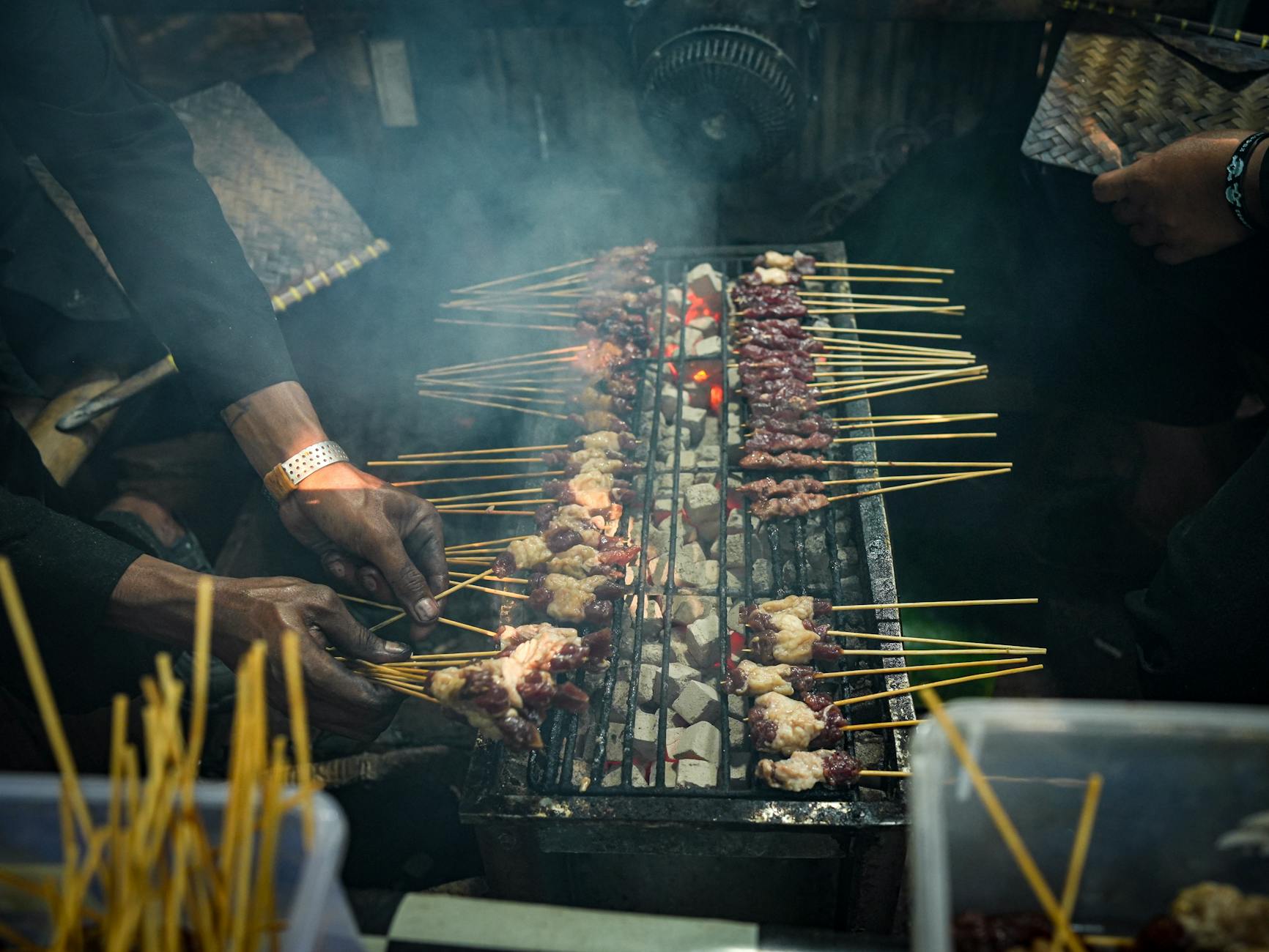
What sets Chiang Mai apart is the blend of sacred and silly. In the morning, locals carry sand to temples to build miniature pagodas. By afternoon, those same people are on the back of pickup trucks, hurling water with surgical precision. The moat loop takes about two hours to walk, and you’ll pass food stalls grilling pork skewers for pennies the whole way.
Rent a pickup truck with a group if you can — having your own mobile water tank (a giant barrel on the flatbed) turns you from participant into force of nature.
Pattaya: The Extended Party
Pattaya does Songkran differently. While most of Thailand winds down on April 15, Pattaya is just getting started. The celebration here runs all the way to April 19, culminating in Wan Lai (“Flowing Day”), a local tradition unique to the eastern seaboard. Beach Road and Walking Street become ground zero, and the party has a distinctly late-night character. If you missed the main dates elsewhere, Pattaya’s your backup plan.
Phuket: Beaches, Bangla, and Big Splashes
Phuket packs all the Songkran chaos into a tropical island setting. Patong Beach is the main arena, with Bangla Road and the beachfront strip turning into a salty, sandy water war. The combination of seawater, ice-cold buckets, and sunburned tourists creates a uniquely Phuket flavor. Rawai, Kata, and Phuket Town also host smaller-scale celebrations that feel more local and less overwhelming — great for families.
What to Expect on the Street
Here’s the reality, unfiltered:
- You will get wet within seconds of stepping outside. There is no opt-out. The moment you’re visible on a street, you’re a target.
- Ice-cold water is a thing. Many vendors sell huge blocks of ice, and people drop them into their water barrels. The shock when that hits your back is something you’ll never forget — and somehow, in 37°C (99°F) heat, it’s bizarrely refreshing.
- White paste on your face. Strangers will approach you with bowls of a white, clay-like paste called din sor pong. It’s a cooling, skin-protecting powder applied to the cheeks and forehead — part blessing, part sunscreen. Let them do it; it’s friendly and smells pleasantly of menthol.
- The music is relentless. Expect everything from traditional Thai folk songs blasted from temple loudspeakers to EDM thumping from portable speakers strapped to ice carts.
- People are overwhelmingly kind. Amid the mayhem, you’ll see strangers helping kids refill water guns, sharing food, and laughing together. Songkran brings out the best in people.
What to Bring: The Essential Kit
Pack smart and you’ll have a vastly better time. Here’s your survival list:
| Item | Why You Need It |
|---|---|
| Waterproof phone pouch | Non-negotiable. Buy one on arrival in Thailand for about ฿50–฿100. Test it before trusting it. |
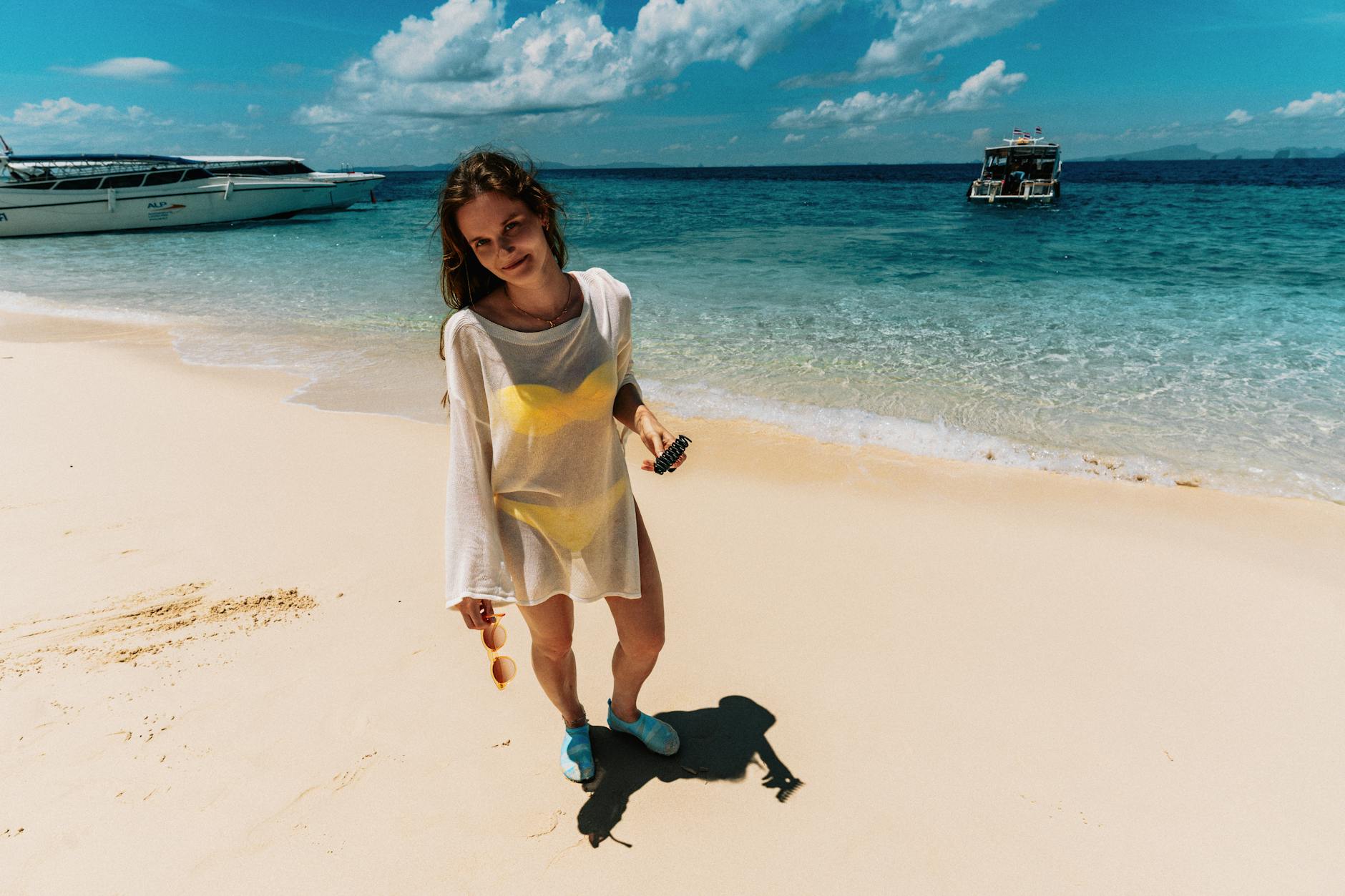
| Quick-dry clothes | Cotton turns into a heavy, chafing nightmare. Synthetic shorts and a rash guard or dri-fit shirt are ideal. |
| Water shoes or secure sandals | Flip-flops fly off and disappear into the crowd. Wear something that straps on. Broken glass is rare but not unheard of. |
| Goggles or sunglasses | Getting splashed directly in the eyes stings. A cheap pair of swim goggles makes you unstoppable. |
| A proper water gun | The tiny pistol you get free at 7-Eleven is useless. Buy a large-capacity Super Soaker style blaster — they’re sold everywhere for ฿200–฿500 during the festival. |
| A small dry bag | For anything that must stay dry: passport copy, spare cash, hotel key card. |
| Cash in small bills | For street food, drinks, and ice refills. ATMs get long queues and ฿220 withdrawal fees. |
| Sunscreen (water-resistant) | You’ll be outside for hours. Reapply frequently. |
The Cultural Side: Don’t Skip This
It’s easy to treat Songkran as a giant water fight and miss the deeper meaning. Don’t. Some of my best memories are from the quieter moments:
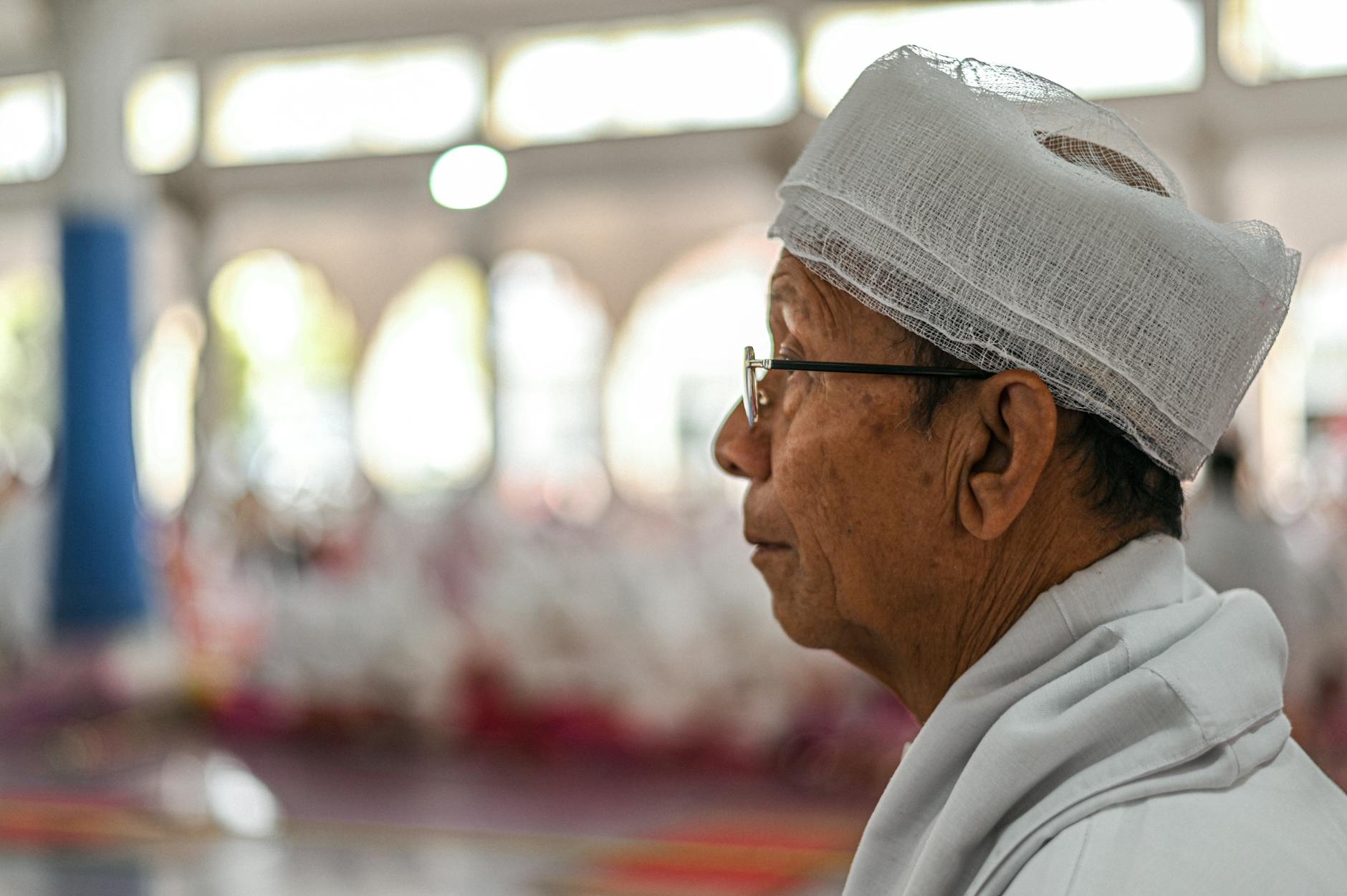
- Wake up early for temple visits. On the morning of April 13, Thai families dress in traditional clothes and bring food to their local temple. As a visitor, you can quietly observe or participate — buy a pre-made offering bucket (฿100–฿200) from vendors outside most temples.
- The Rod Nam Dum Hua ceremony. This is the ritual of pouring scented water over the hands of elders and receiving their blessing in return. If you’re invited to participate, accept. It’s a profound gesture of respect.
- Building sand pagodas. At many temples, you’ll see people constructing elaborate sand structures decorated with flowers and flags. This tradition comes from the belief that throughout the year, temple-goers inadvertently carry sand away on their feet — bringing sand back during Songkran is a way of returning it.
Crucial Tips for First-Timers
Don’t splash monks, babies, or the elderly. This is rule number one. If someone is wearing a monk’s robe, holding an infant, or clearly elderly, they are off-limits. A respectful wai (palms pressed together) is the appropriate greeting instead.
Don’t drink the moat water. I shouldn’t have to say this, but every year someone does. The moat water in Chiang Mai is for splashing — not for drinking. Street vendors sell bottled water for ฿10.
Mouth closed. Always. That bucket of water heading toward your face has been through a lot. Keep your lips shut.
Avoid motorcycles and open sidecars. Tuk-tuks and motorcycle taxis are prime targets. Being on a motorbike in the middle of a water fight is genuinely dangerous — slippery roads, zero visibility, and zero sympathy from water-throwers.
Stay hydrated. You’re losing fluids to the sun while being soaked. Drink water, not just beer. Heat exhaustion is real and ambulances have a hard time getting through the crowds.
Respect the water curfew. Most areas have an unofficial cut-off time — usually around 6 or 7 PM. After dark, the water fighting stops, and the city shifts to a more relaxed evening mood with food markets and temple fairs. Pushing past the curfew by continuing to splash people will earn you genuine anger. For a complete guide to what you should (and shouldn’t) do during the festival, see our Songkran Dos & Don’ts Guide.
Book accommodation near the action. You don’t want to take a taxi or public transport while dripping wet. Being able to walk back to your hotel, shower, and return to the fun is priceless.
Post-Songkran: What Happens After
By April 16, Thailand exhales. Streets that were rivers of foam 24 hours earlier are swept clean, water guns disappear from storefronts, and the country settles into the hot season proper. But the memories — and the photos — stick around.
One thing that always strikes me afterward is how Songkran functions as a social equalizer. Bankers and street cleaners, backpackers and grandmothers — for three days, everyone is just a person with a bucket, laughing in the sun. There’s something genuinely beautiful about that.
You may also like
Related Articles
I Watched 3 Tourists Get Arrested at Songkran — Here's What They Did Wrong
Don't get arrested or fined during Songkran. Essential guide to Thai water festival laws, etiquette, dress code, alcohol rules, and the penalties that can ruin your trip.
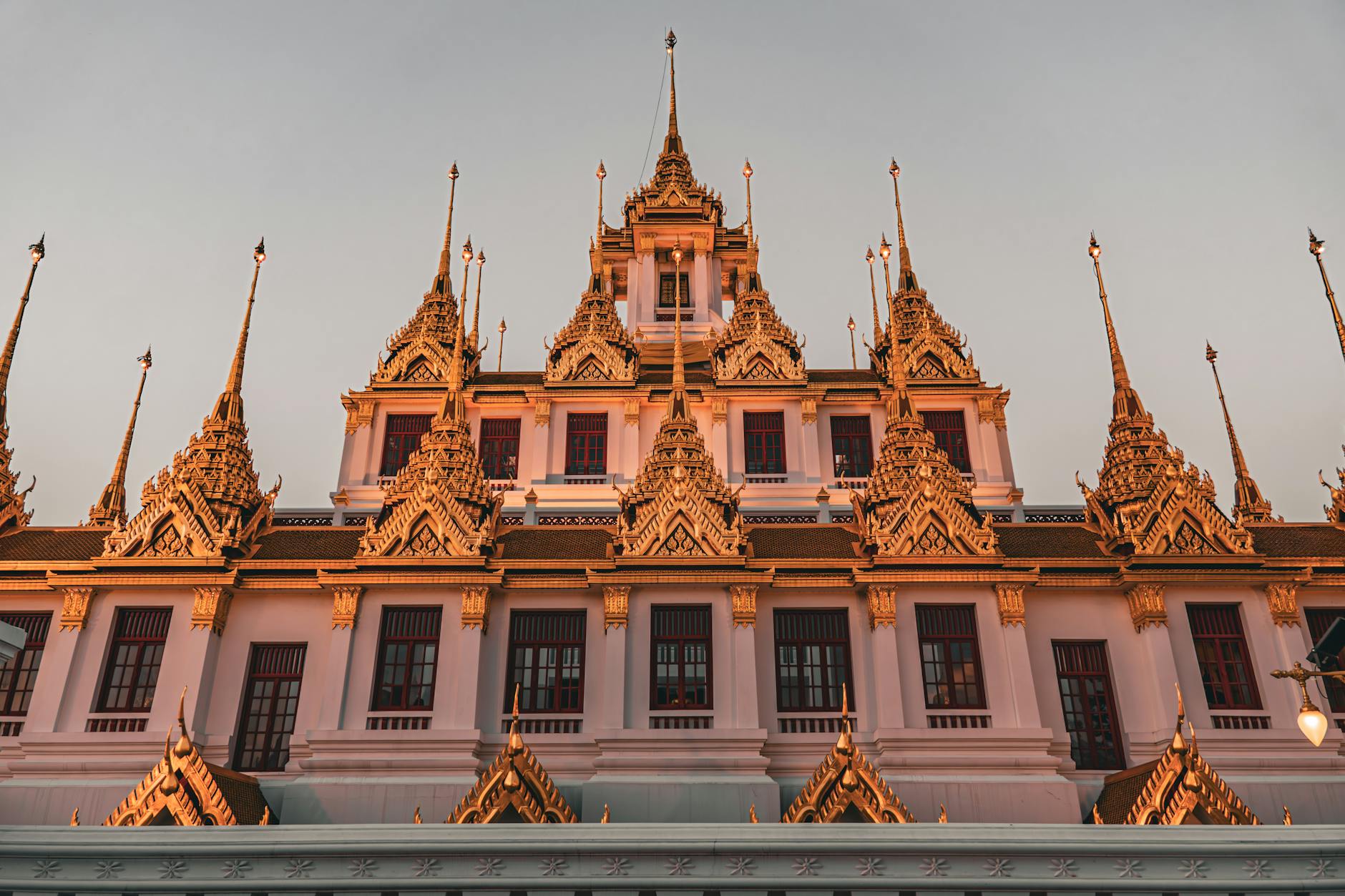
The Day Buddha Spoke for the First Time — and How Thailand Still Marks It 2,500 Years Later
Discover Asahna Bucha Day and Khao Phansa, marking the beginning of Buddhist Lent in Thailand. Learn about candle festivals, monk retreats, and how travelers can respectfully participate.
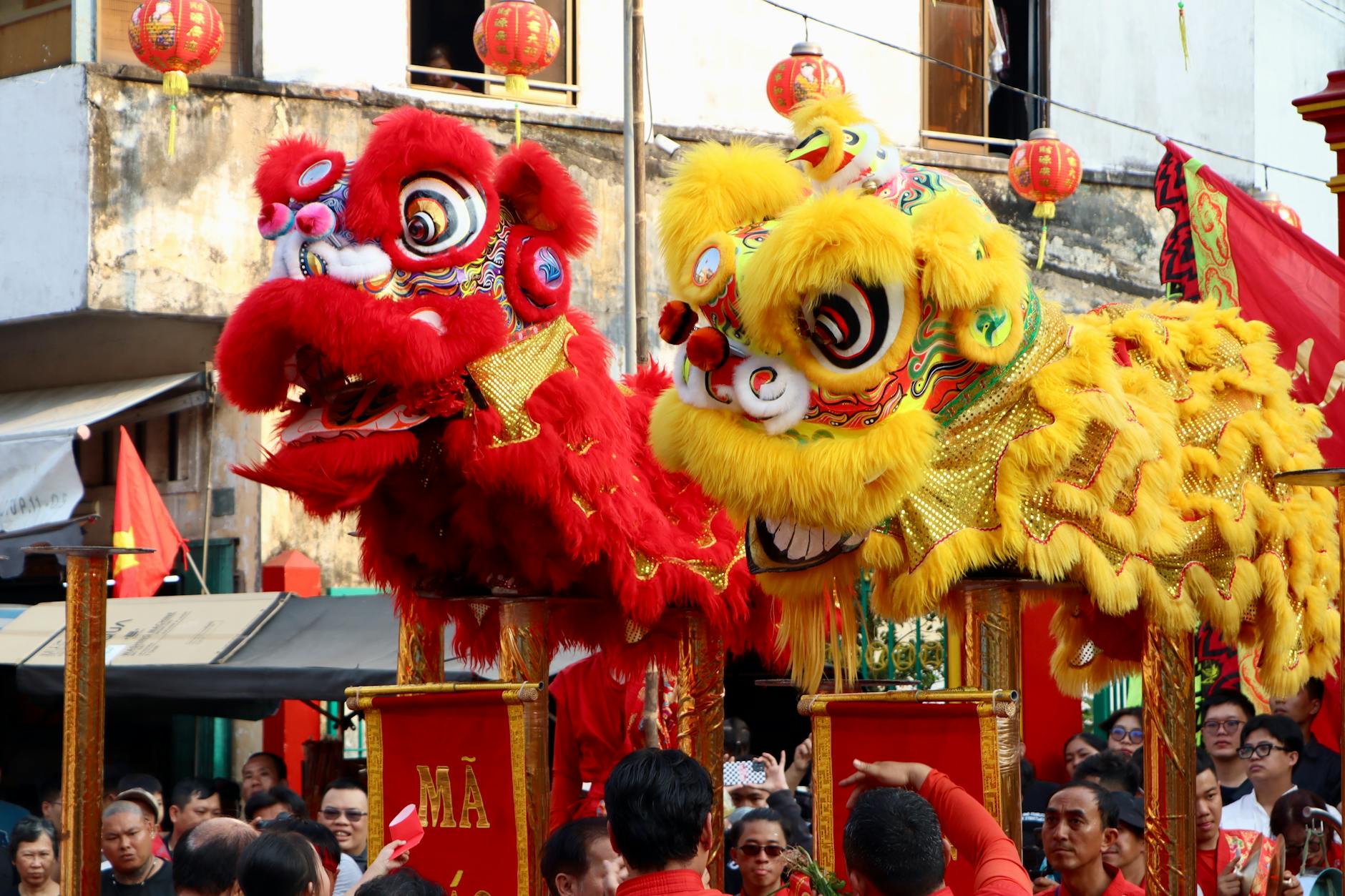
I Stood in Chinatown as a 40-Foot Dragon Weaved Past Me — Here's Why Lunar New Year in Thailand Feels Different From Anywhere Else
Celebrate Chinese New Year in Thailand with vibrant parades, lion dances, and feasts. Discover Bangkok's Chinatown, Phuket's Old Town, and the best Chinese temples for an unforgettable lunar new year.
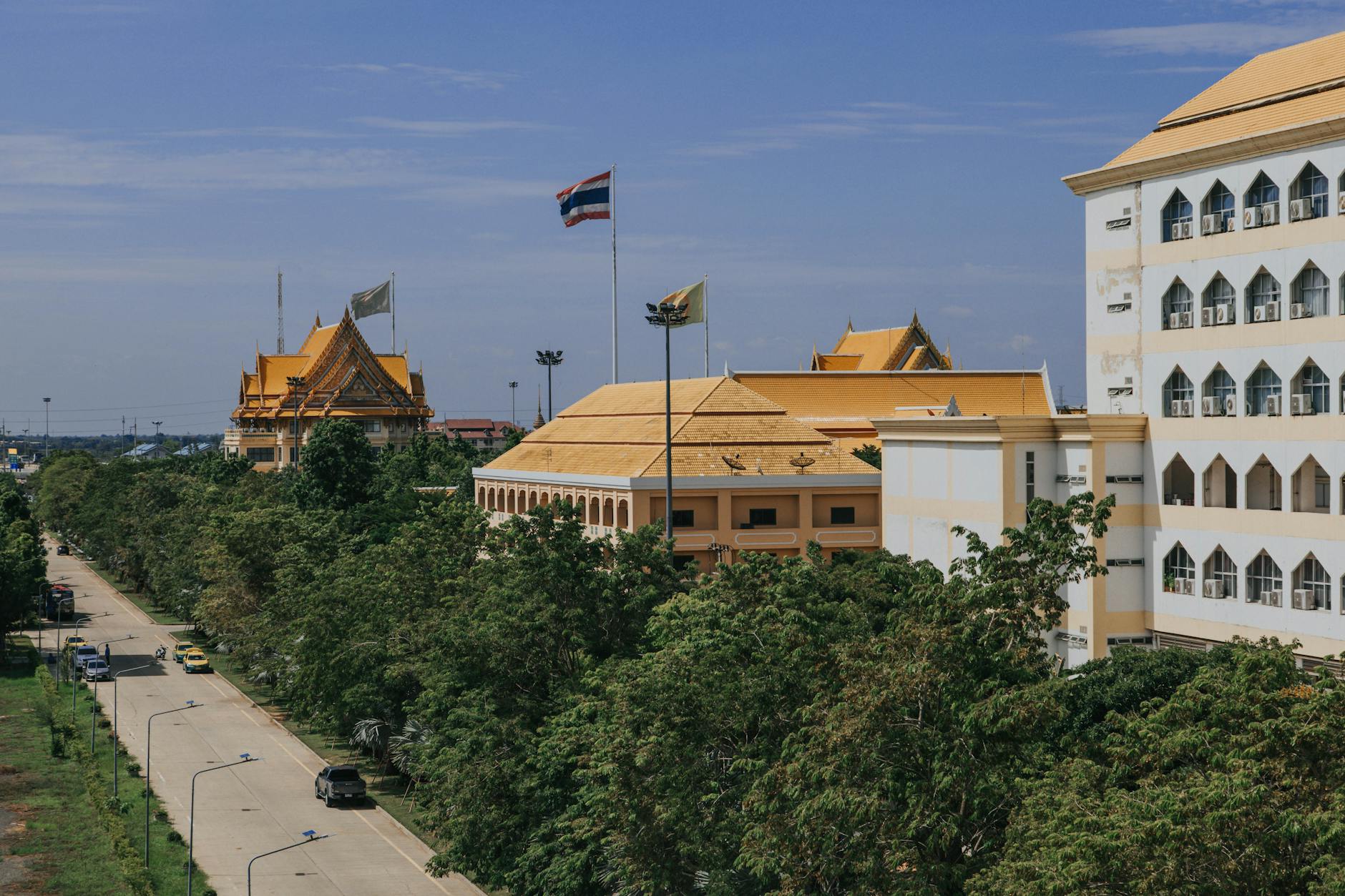
100,000 Candles and Zero Noise: The Most Unfathomable Night I've Spent in Thailand
Experience the King's Birthday in Thailand — a national celebration of monarchy, fatherhood, and unity. Yellow seas of loyal well-wishers, candlelit ceremonies, and Bangkok's grandest displays.