
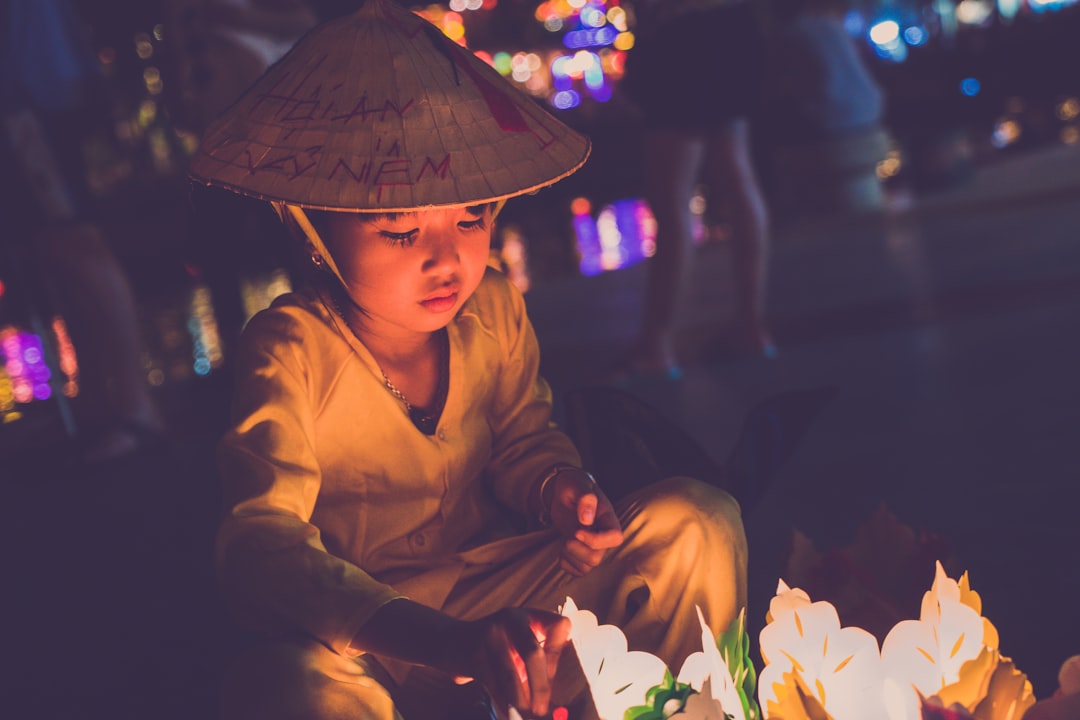
 ChatGPT
  Gemini
  Claude
  Perplexity
 Vesak, known as Phật Đản in Vietnamese, is the most important Buddhist holiday in Vietnam, commemorating the birth, enlightenment, and passing of Gautama Buddha. Taking place on May 12, 2026, this sacred day transforms temples across the country into centers of prayer, meditation, and community service, with elaborate ceremonies that blend ancient Buddhist traditions with Vietnamese cultural practices.
For travelers interested in Buddhism, Vietnamese culture, or spiritual experiences, Vesak offers a profound opportunity to witness one of Vietnam’s most important religious observances. The holiday is marked by temple ceremonies, lotus lantern displays, acts of compassion, and family gatherings that reveal the depth of Buddhist influence on Vietnamese society.
This comprehensive guide covers everything you need to know about Vesak 2026 in Vietnam: the history and significance of the holiday, temple ceremonies and traditions, locations for the best Vesak experiences, practical travel tips, and how to respectfully participate in this sacred celebration.
What is Vesak?
The Triple Celebration
Vesak (also spelled Vesakha or Wesak) is the most significant day in the Buddhist calendar, commemorating three major events in the life of Siddhartha Gautama, the historical Buddha:
- Birth: Buddha’s birth in Lumbini, Nepal (approximately 563 BCE)
- Enlightenment: His attainment of enlightenment under the Bodhi tree in Bodh Gaya, India (approximately 528 BCE)
- Parinirvana: His passing into final nirvana in Kushinagar, India (approximately 483 BCE)
In Vietnamese, Vesak is called Phật Đản, which literally means “Buddha’s Birth Day,” though the day actually celebrates all three events.
Vesak in Vietnam
Buddhism is Vietnam’s largest religion, with approximately 85% of Vietnamese people identifying as Buddhist or practicing Buddhist traditions. Vesak is observed nationwide with special ceremonies at temples, community activities, and family observances that combine Buddhist teachings with Vietnamese cultural practices.
UNESCO Recognition
In 1999, the United Nations recognized Vesak as an international day of observance, acknowledging Buddhism’s contribution to world peace, culture, and spirituality. Vietnam actively participates in international Vesak celebrations, hosting the UN Vesak Conference in Hanoi in 2008 and 2014.
Vesak 2026 Dates and Schedule
Official Dates
- Vesak Day: May 12, 2026 (15th day of the fourth lunar month)
- Extended Celebrations: May 11–13, 2026 (14th–16th day of the fourth lunar month)
- Temple Ceremonies: Vary by temple, but most ceremonies occur on May 12
Daily Schedule
May 11, 2026 (Day Before Vesak):
- Morning: Temple preparations and decorations
- Midday: Pre-Vesak prayers and meditation
- Afternoon: Lotus lantern making and hanging
- Evening: Pre-Vesak ceremonies and community gatherings
May 12, 2026 (Vesak Day):
- Morning (6–10 AM): Official dawn ceremonies and chanting
- Midday (10 AM–2 PM): Main temple ceremonies and offerings
- Afternoon (2–5 PM): Dharma talks and educational programs
- Evening (5–9 PM): Lantern processions and evening prayers
May 13, 2026 (Day After Vesak):
- Morning: Thanksgiving ceremonies
- Midday: Community service activities
- Afternoon: Continued prayers and community gatherings
- Evening: Quiet reflection and meditation
Lunar Calendar Note
Vesak follows the lunar calendar, meaning the date shifts each year in the Gregorian calendar. May 12, 2026, corresponds to the 15th day of the fourth lunar month. Always confirm dates closer to your travel dates, as lunar calculations can vary slightly between countries and Buddhist traditions.
Vesak Traditions and Ceremonies
1. Dawn Ceremonies
The most important Vesak ceremonies begin at dawn, symbolizing Buddha’s enlightenment:
Ceremony Elements:
- Chanting of sutras (Buddhist scriptures) by monks
- Offerings of flowers, incense, and candles
- Ritual circumambulation (walking clockwise around the main shrine)
- Bell and drum ceremonies
- Morning meditation sessions
What to Expect:
- Solemn, respectful atmosphere
- Large crowds at major temples
- Monks and nuns in formal robes
- Traditional Buddhist music and chanting
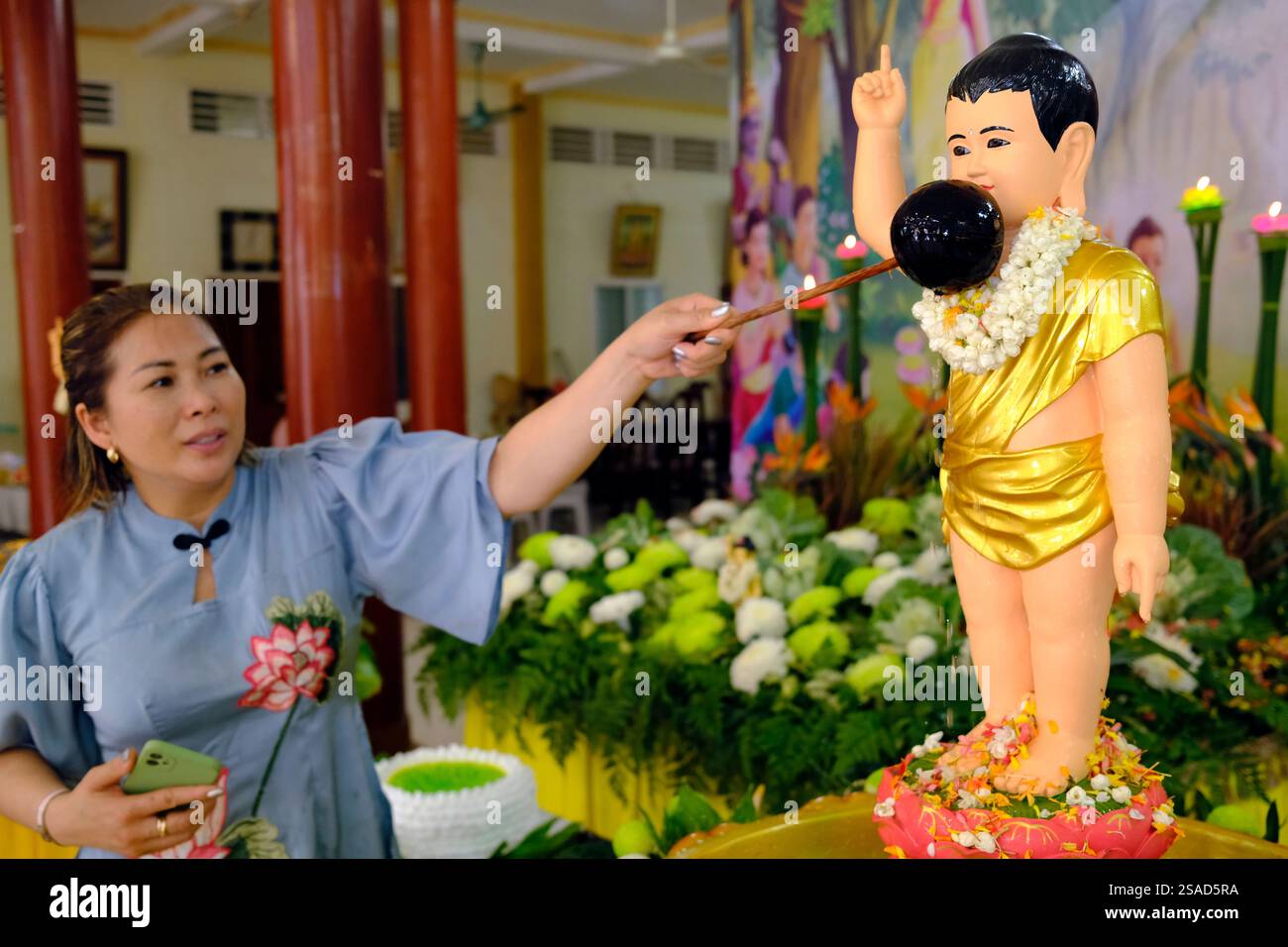
2. Bathing the Buddha Statue
One of Vesak’s most beloved traditions is the ritual bathing of the Buddha statue:
Symbolism:
- Washing away impurities from the past year
- Starting the new year with purified heart and mind
- Honoring Buddha’s birth and enlightenment
How It’s Done:
- Small statues of baby Buddha are placed on altars
- Devotees pour scented water over the statues
- Flowers and jasmine are often added to the water
- The ritual is performed with mindful intention and prayer
Participating as a Visitor: Most temples welcome visitors to participate in this ritual. Observe others first, then take your turn pouring water mindfully while offering prayers or good wishes.
3. Lotus Lantern Displays
Lotus lanterns are the visual symbol of Vesak:
Symbolism:
- Lotus flowers represent purity and enlightenment (rising from mud to bloom)
- Lanterns represent the light of wisdom dispelling ignorance
- Flowers symbolize Buddha’s birth
Where You’ll See Them:
- Decorations hanging from temple ceilings
- Lanterns floating on temple ponds
- Lanterns carried in processions
- Lantern displays along temple approaches
Making Lotus Lanterns: Many temples offer workshops in the days before Vesak where visitors can learn to make traditional paper lotus lanterns.
4. Offerings and Merit-Making
Making offerings is a central Vesak practice:
Traditional Offerings:
- Flowers: Fresh lotus, marigolds, or other seasonal flowers
- Incense: Three sticks representing body, speech, and mind
- Candles: Symbolic of wisdom and enlightenment
- Food: Fruit, rice, or vegetarian dishes
- Money: Donations to support temple activities
Merit-Making Activities:
- Offering food to monks
- Releasing birds, fish, or turtles (symbolizing compassion)
- Making donations to charitable causes
- Performing good deeds and acts of kindness
- Observing vegetarian diet during Vesak
5. Dharma Talks and Teachings
Vesak is a time for learning Buddhist teachings:
What to Expect:
- Monks or nuns give talks on Buddhist philosophy and practice
- Topics include mindfulness, compassion, and ethical living
- Some talks are in Vietnamese only, others have translation available
- Many temples offer beginner-friendly introductions to Buddhism
Educational Activities:
- Meditation instruction sessions
- Introduction to Buddhist chanting and prayer
- Question-and-answer sessions with monks
- Children’s programs explaining Buddhist stories and values
6. Lantern Processions
Evening lantern processions are among Vesak’s most beautiful traditions:
Procession Elements:
- Devotees carrying lotus lanterns
- Monks and nuns leading the procession
- Traditional Buddhist music and chanting
- Processions often circle temple grounds or streets nearby
Best Processions to See:
- One Pillar Pagoda, Hanoi: Historic temple in city center
- Jade Emperor Pagoda, Ho Chi Minh City: Major urban procession
- Thien Mu Pagoda, Hue: Procession along Perfume River
- Local Temples: Smaller, more intimate community processions
7. Acts of Compassion (Da Tang)
Vesak emphasizes compassion through charitable activities:
Common Compassionate Acts:
- Free meals provided to the poor and homeless
- Blood donation drives organized by temples
- Clothing and food donations to orphanages
- Community service projects
- Environmental cleanup activities
Participation Opportunities: Many temples welcome visitor participation in these activities. Ask temple staff or volunteers about how you can contribute.
Best Places to Experience Vesak in Vietnam
Hanoi
One Pillar Pagoda (Chùa Một Cột):
- Vietnam’s most iconic temple
- Historic pagoda built in 1049
- Major Vesak ceremonies in the heart of the city
- Lotus pond displays
- Location: Near Ho Chi Minh Mausoleum
Tran Quoc Pagoda:
- Oldest temple in Hanoi (6th century)
- Located on West Lake
- Beautiful lotus pond
- Traditional ceremonies with morning and evening programs
Quan Su Pagoda:
- Headquarters of Vietnam Buddhist Sangha
- Official Vesak ceremonies with government officials
- Largest Vesak celebrations in Hanoi
Ho Chi Minh City
Jade Emperor Pagoda (Chùa Bà Thiên Hậu):
- Most famous temple in Ho Chi Minh City
- Elaborate decorations and ceremonies
- Strong community participation
- Location: District 1
Vinh Nghiem Pagoda:
- Modern temple with traditional architecture
- Major Vesak celebrations
- Educational programs for foreigners
- Location: District 3
Emperor Jade Pagoda (Chùa Ngọc Hoàng):
- Historic temple with rich decorations
- Active Vesak ceremonies
- Good for experiencing local religious practices
Hue
Thien Mu Pagoda:
- Hue’s most iconic pagoda
- Vesak ceremonies along Perfume River
- Boat access option
- Lantern-lit evening ceremonies
Tu Dam Pagoda:
- Historic temple with Buddhist education center
- Dharma talks and educational programs
- Strong monastic community
Hoi An
Local Temples:
- Smaller, more intimate Vesak celebrations
- Community-focused ceremonies
- Lantern processions through ancient town
- Combination with Hoi An’s lantern traditions
Da Nang
Linh Ung Pagoda (Son Tra Peninsula):
- Stunning hilltop location
- Massive Lady Buddha statue
- Panoramic views during ceremonies
- Spectacular lantern displays
Rural Temples
For a more authentic, less touristy experience:
Village Temples:
- Smaller, community-focused ceremonies
- More intimate atmosphere
- Greater opportunity to participate
- Less crowded but equally authentic
Practical Travel Information
Planning Your Visit
Best Days to Visit:
- May 11, 2026: Pre-Vesak decorations and preparations
- May 12, 2026 (Morning): Main ceremonies, most atmospheric
- May 12, 2026 (Evening): Lantern processions, beautiful lighting
- May 13, 2026: Fewer crowds, continued activities
Duration of Visit:
- Day trip to temples in major cities
- 2–3 days to fully experience Vesak in one location
- 4–7 days to visit multiple cities and temple complexes
Temple Etiquette
Dress Code:
- Cover shoulders and knees
- Remove shoes before entering temple buildings
- Avoid revealing or flashy clothing
- White or light-colored clothing often worn by Buddhist devotees
Behavior:
- Speak quietly and respectfully
- Do not interrupt ceremonies or prayers
- Ask permission before photographing religious activities
- Follow the lead of local devotees
- Do not touch sacred objects or statues without permission
Photography:
- Ask permission before photographing monks or ceremonies
- No flash during prayers
- Respect signs prohibiting photography
- Focus on capturing the atmosphere, not just close-ups
What to Bring
Essential:
- Modest clothing (covered shoulders and knees)
- Comfortable walking shoes (remove easily for temple entry)
- Small bag for personal items
- Cash for donations (small bills)
- Water bottle
Useful:
- Light jacket for morning ceremonies
- Handkerchief or small towel (hot weather)
- Camera with extra battery
- Notebook for taking notes on teachings
Costs
Festival Participation:
- Temple Entrance: Free at most temples
- Ceremonies: Free
- Lanterns: $2–5 to purchase
- Offerings: $5–20 for flowers, incense, donations
- Workshops: Often free, small donation appreciated
Daily Budget (excluding accommodation):
- Budget Traveler: $10–20 (food, transport, offerings)
- Mid-Range: $25–40 (including special meals, extra donations)
Food and Vegetarian Cuisine
Vegetarian Observances
Many Vietnamese people observe vegetarian diets during Vesak:
Why Vegetarian?
- Expression of compassion for all sentient beings
- Avoidance of causing harm
- Spiritual purification
- Traditional Buddhist practice
Finding Vegetarian Food:
- Temple kitchens often serve free vegetarian meals on Vesak
- Restaurants display “chay” (vegetarian) signs during Vesak
- Many street vendors offer vegetarian options
- Hotel restaurants typically have vegetarian menus
Temple Meals
What to Expect:
- Simple, wholesome vegetarian food
- Served free or by donation
- Eaten in silence or quiet conversation
- Often eaten in community dining areas
Typical Temple Foods:
- Vegetarian spring rolls (chả giò chay)
- Tofu dishes in various sauces
- Vegetable and mushroom dishes
- Rice and noodle dishes
- Seasonal fruits
Festival Foods
Special Vesak treats include:
- Lotus-shaped sweets: Candied lotus seeds or pastries
- Vegetarian buns: Steamed buns with vegetable fillings
- Seasonal fruits: Mango, rambutan, lychee (depending on season)
- Herbal drinks: Refreshing herbal teas
Accommodation During Vesak
Booking Tips:
- Accommodation fills quickly during Vesak
- Book 1–2 months in advance for popular temples
- Consider staying near temple complexes for early morning ceremonies
Accommodation Options:
Near Major Temples:
- Hotels and guesthouses within walking distance
- More convenient for early morning ceremonies
- Prices increase during Vesak period
Temple Stays:
- Some temples offer basic accommodation for devotees
- More authentic experience
- Very basic facilities
- Contact temples directly
City Centers:
- More accommodation options
- Need transportation to temples
- More dining and shopping choices
Weather and Climate
May Weather in Vietnam:
Northern Vietnam (Hanoi):
- Temperature: 25–32°C (77–90°F)
- Conditions: Hot and humid, possible rain
- Clothing: Light, breathable layers, sun protection
Central Vietnam (Hue, Da Nang):
- Temperature: 27–35°C (81–95°F)
- Conditions: Hot and dry
- Clothing: Very light clothing, sunscreen essential
Southern Vietnam (Ho Chi Minh City):
- Temperature: 28–35°C (82–95°F)
- Conditions: Hot and humid, frequent afternoon showers
- Clothing: Very light clothing, rain jacket for showers
Rain Preparation: May is the beginning of rainy season in central and southern Vietnam. Bring a light rain jacket or umbrella, especially for outdoor lantern processions.
Making the Most of Your Vesak Experience
Participating Respectfully
For Non-Buddhists:
- Observe before participating
- Ask questions respectfully
- Participate in universal elements (lotus lanterns, meditation)
- Respect differences in beliefs and practices
- Learn basic Vietnamese phrases: “Cảm ơn” (thank you), “Xin lỗi” (excuse me)
For Buddhists:
- Participate fully in ceremonies
- Make offerings according to your ability
- Engage with Dharma talks and teachings
- Practice meditation and mindfulness
- Connect with Vietnamese Buddhist communities
Spiritual Benefits
What You May Gain:
- Understanding of Vietnamese religious culture
- Experience of mindfulness and meditation
- Connection to ancient Buddhist traditions
- Exposure to Vietnamese community values
- Spiritual reflection and peace
Photography Tips
Best Times:
- Dawn ceremonies (6–7 AM): Beautiful morning light
- Lantern processions (5–7 PM): Golden hour
- Temple interiors: Natural light through windows
- Lotus displays: Mid-morning for best light
What to Photograph:
- Lotus lanterns and decorations
- Monks and nuns in formal robes
- Temple architecture and details
- Ceremonies and processions
- Lotus pond reflections
Frequently Asked Questions
Q: Do I need to be Buddhist to attend Vesak ceremonies?
A: Absolutely not! Vesak ceremonies are open to everyone, and temples welcome visitors of all backgrounds. Be respectful of religious practices, participate as you feel comfortable, and feel free to observe without participating in religious elements that don’t align with your beliefs.
Q: Can I take photos during ceremonies?
A: Generally yes, but with restrictions. Ask permission before photographing monks or specific rituals. No flash during prayers. Be discreet and respectful. Some temples prohibit photography entirely during ceremonies. Follow signs and instructions from temple staff.
Q: What if I don’t speak Vietnamese?
A: You can still have a meaningful experience. The visual spectacle, music, chanting, and atmosphere are powerful without understanding the language. Some ceremonies have translation available. Many volunteers and monks speak basic English. Focus on experiencing the atmosphere rather than understanding every detail.
Q: Are there ceremonies specifically for foreigners?
A: Some larger temples (especially in tourist areas) offer programs in English or with translation. These may include Dharma talks, meditation instruction, or question-and-answer sessions. Ask temple staff or volunteers about English-language programs.
Q: What should I offer at the temple?
A: Small, respectful offerings are appreciated: flowers (lotus, marigolds), incense (usually available at the temple), candles, or small monetary donations. You don’t need to spend much — the gesture is more important than the amount. Observe what local people offer and follow their lead.
Q: Can I participate in the lantern procession?
A: Yes! Many temples welcome visitors to carry lanterns in processions. You may need to purchase or borrow a lantern from the temple. Ask temple staff about joining the procession, and they’ll guide you on proper procedures and timing.
Related Articles
- Vietnam Festivals Calendar 2026: Complete Monthly Guide to Celebrations
- Perfume Pagoda Festival 2026: Vietnam’s Sacred Buddhist Pilgrimage
- Mid-Autumn Festival Vietnam 2026: Tet Trung Thu Lanterns and Mooncakes
Ready to experience one of Vietnam’s most profound spiritual celebrations? Vesak offers a window into Vietnamese Buddhist culture and the opportunity to participate in ancient traditions that continue to guide millions of Vietnamese people today.
Related Articles
Hoi An Lantern Festival 2026: Monthly Full Moon Celebrations Guide
Experience the magical Hoi An Lantern Festival with thousands of lanterns, floating boats, and traditional culture. Complete guide to monthly full moon celebrations.
Hue Craft Festival 2026: Showcasing Vietnam's Traditional Arts and Heritage
Discover Vietnam's traditional crafts at the Hue Craft Festival. Complete guide to artisans, demonstrations, workshops, and cultural experiences in the Imperial City.
Hue Festival 2026: Vietnam's Grand Cultural Celebration in Imperial City
Experience Vietnam's premier cultural festival in the UNESCO-listed Imperial City of Hue. Complete guide to performances, venues, and cultural experiences at Hue Festival 2026.
Hung Kings Temple Festival 2026: Honoring Vietnam's Legendary Founders
Experience Vietnam's UNESCO-recognized festival honoring legendary Hung Kings. Complete guide to ceremonies, history, and cultural significance of Phu Tho celebrations.