 ChatGPT
  Gemini
  Claude
  Perplexity
 Thailand’s halal system is more organized than many travelers expect. The country has an official halal ecosystem, searchable product databases, and a national Islamic authority behind the certification mark. That matters because in Thailand, the hardest halal decisions are rarely the obvious ones. They happen when you are standing in a 7-Eleven, scanning a shelf of snacks, or looking at a restaurant that says “halal” without explaining what that means.
This guide is not for food manufacturers. It is for travelers who want to know one thing: when you see a halal claim in Thailand, how much confidence does it actually deserve?
The short version
- Thailand’s halal certification system is centered on the Central Islamic Council of Thailand, usually shortened to CICOT.
- Official halal information is published through CICOT-linked sites, including product search tools and the older Halal Register Online service.
- An official Thai halal mark is useful for packaged goods, branded food businesses, and formal restaurant operations.
- Certification is much less helpful at unlabeled market stalls, vague mixed-menu venues, and places that cannot explain their sourcing.
- The best traveler strategy is to use certification as your first layer of confidence, then add direct questions, local context, and a practical checking tool for day-to-day shopping.
Why this matters more in Thailand than people think
Thailand is easy to romanticize as a street-food destination, but that is exactly why halal certainty gets complicated. In a mall or supermarket, you may be able to find a certified product, a searchable brand, or a staff member who can point to official labeling. At a night market, the same confidence can disappear in seconds.
That gap is why understanding the system matters. You do not need to memorize every rule behind halal certification in Thailand. You do need to know where the system is strong, where it becomes fuzzy, and how to move between those two realities without wasting half your trip on uncertainty.
Who actually handles halal certification in Thailand
For travelers, the most important name is the Central Islamic Council of Thailand (CICOT). As of June 15, 2026, its English-language site still links to halal resources, mosque listings, prayer-related tools, and the long-running Halal Register Online directory. CICOT also operates the consumer-facing halal.co.th portal, which lists certified products, brands, and companies across categories such as snacks, beverages, meat, services, and restaurants.
That structure matters because it means halal in Thailand is not only a loose marketing term. There is an official religious-administrative body attached to the system, and there are public lookup tools connected to it.
What travelers should take from this:
- if a product or business is in the CICOT-linked ecosystem, that is a stronger signal than a self-made “halal” sticker
- if a venue cannot show signage, a certificate, or a traceable listing, you are moving from official verification into trust-based judgment
What the Thai halal mark usually tells you
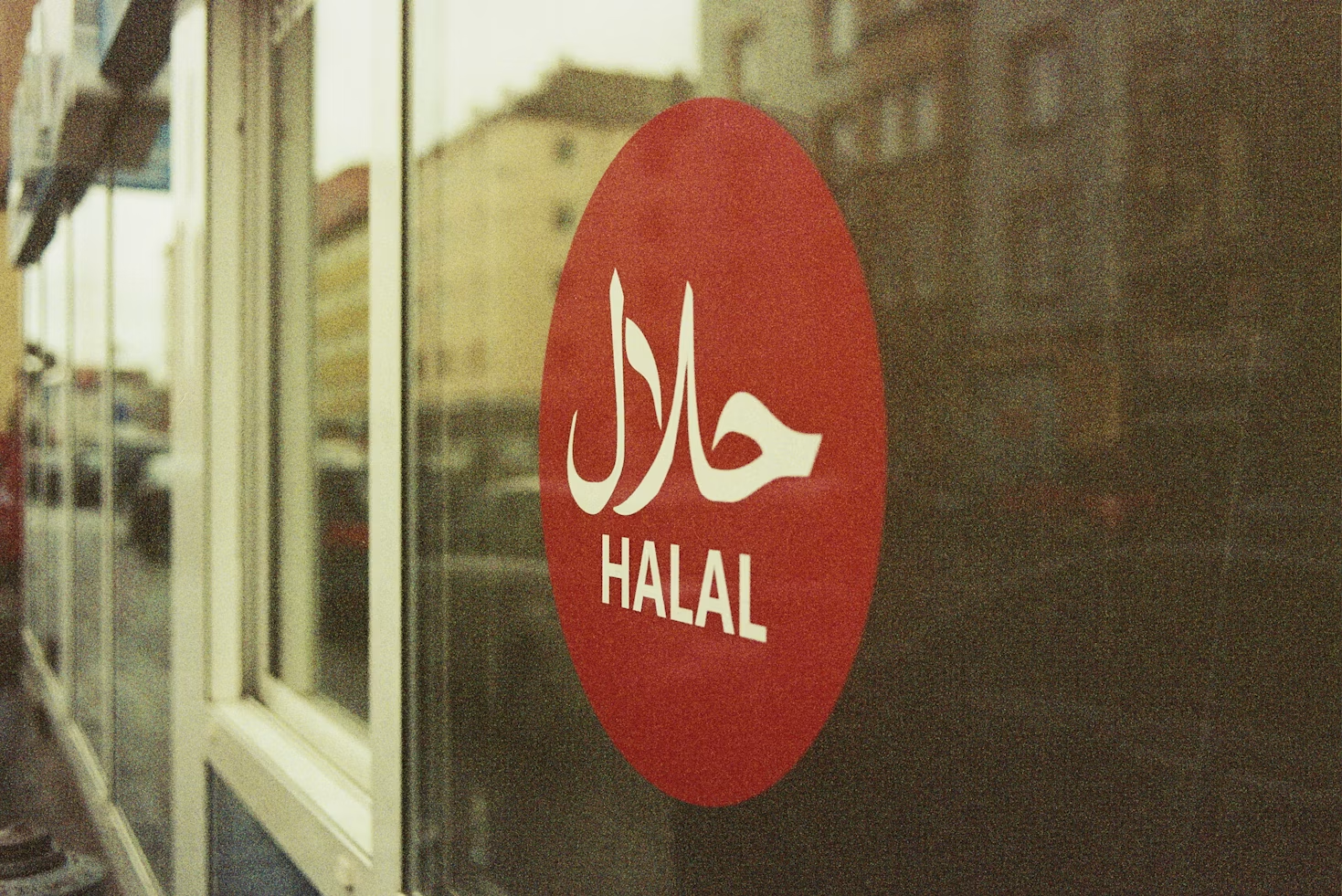
In practical travel terms, the official halal mark tells you that a product or business is operating inside Thailand’s recognized certification system. That is most useful for:
- packaged snacks and drinks sold in supermarkets and convenience stores
- branded meat and processed foods
- restaurants or food businesses that participate in formal certification
- some service businesses listed on the official portal
This is where Thailand becomes easier than many first-time visitors assume. Instead of relying only on ingredient guessing, you can often look for a recognized halal mark, search a product or company online, or cross-check it through an official listing.
What the mark does not solve on its own
This is the part many guides skip. Certification is helpful, but it does not magically answer every real-world question a traveler has.
It does not automatically solve:
- whether a temporary market stall with no visible mark is trustworthy
- whether a restaurant that serves both halal and non-halal items handles separation in a way you are comfortable with
- whether staff understand halal beyond “no pork”
- whether a dish contains sauces, seasoning bases, or kitchen practices you would want clarified
That is why the smartest travelers do not treat certification as the end of the conversation. They treat it as the strongest starting point available.
How to verify halal products before you buy
The easiest place to use Thailand’s halal system is on packaged goods.
In supermarkets and convenience stores
If you are in 7-Eleven, Big C, Lotus’s, Tops, or Makro, start with visible labeling. If the product carries a recognized halal mark, that is your first green light. If it does not, Thailand still gives you more options than many destinations do.
You can cross-check through the halal.co.th product portal, which lists products by category, brand, and company. The older Halal Register Online service is also linked from CICOT’s English site and remains useful as a reference point.
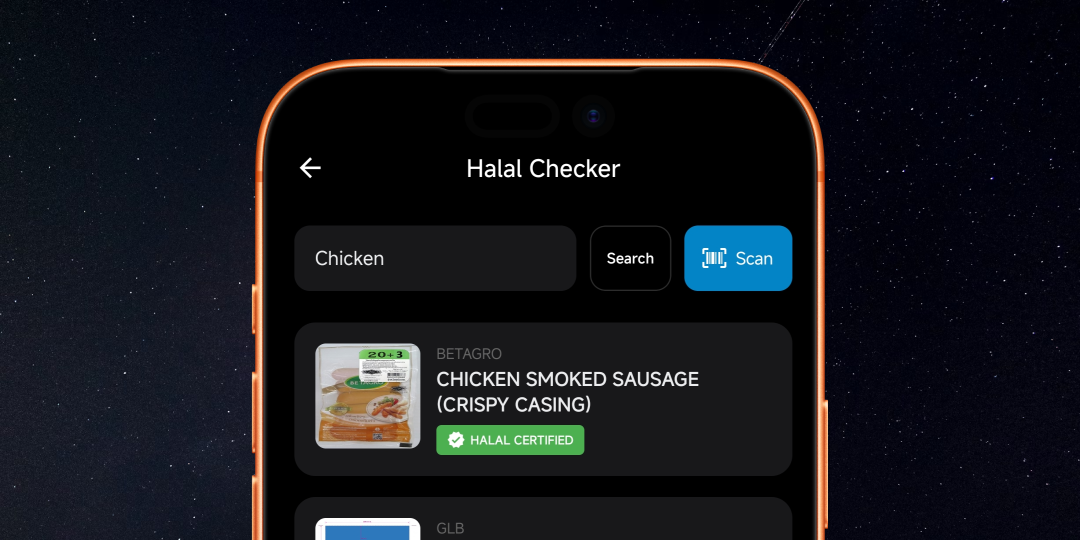
For faster day-to-day use, a traveler tool can be more practical than manually browsing directories. In real shopping situations, this is where MestoGo’s Halal Checker is useful because it lets you scan a barcode or search by product name instead of trying to navigate long category lists in the aisle. That matters most when the official system exists, but you need a quicker consumer interface.
For branded restaurants and chains
If you are dealing with a proper restaurant business, ask for one of three things:
- visible halal certification signage
- a certificate number or documentation staff can show you
- a clear explanation of whether the full kitchen is halal or only certain menu items
Confident answers are usually a good sign. Vague answers are not.
For online ordering
Thailand’s official system is better at proving that certified products exist than making online marketplace shopping feel effortless. If you are buying from Shopee or Lazada, it helps to verify the product first, then match that exact item before you order. That is another place where consumer search tools can save time.
Where travelers should be more skeptical
The system becomes weaker the further you move from formal packaging and formal businesses.
Be more careful when:
- a night-market stall says “halal” verbally but shows no signage
- a cafe serves alcohol and says only a few items are halal
- a seafood place looks Muslim-owned but cannot explain sauces or shared prep areas
- a hotel buffet says “halal corner” but staff cannot explain the sourcing
None of those situations are automatic rejections for every traveler, but they are not the same as buying a clearly certified packaged product.
A better traveler framework: trust, check, then ask
The cleanest way to use Thailand’s halal system is a three-step model.
1. Trust the official layer first
Start with the strongest signals:
- official halal mark on packaging
- listing on CICOT-linked portals
- formally certified restaurants or food brands
2. Check quickly with a practical tool
When the official system is too slow to navigate on the spot, use a tool that makes the same question easier to answer in daily life. For Thailand, that usually means barcode scanning or product-name search rather than deep directory browsing.
3. Ask when the environment gets messy
Once you move into street food, mixed kitchens, buffet lines, or unclearly labeled local venues, ask direct questions:
- Is the whole kitchen halal, or only certain dishes?
- Is this sauce or broth halal?
- Are utensils or grills shared with pork items?
- Can you show me the halal sign or certificate?
That sequence keeps your standards high without turning every meal into an investigation.
Where official tools help most
For travelers, the best official use cases are surprisingly ordinary:
- checking packaged products before a train ride
- confirming a brand before buying groceries for a long bus day
- comparing products when the label is only in Thai
- verifying whether a formal business is part of the recognized halal ecosystem
Official databases are less useful when you need a fast answer from a moving taxi, a beach snack stall, or a crowded night market. That is where a faster app layer becomes practical, even if the confidence still comes from the same broader halal system.
The real takeaway
Thailand’s halal certification system is genuinely useful, especially compared with destinations where halal claims are mostly informal. The key is understanding its real strength: it works best for products and businesses that are formal enough to be documented.
For Muslim travelers, that means the Thai halal mark is not just decorative. It is a meaningful confidence signal. But it is not a substitute for judgment in restaurants with mixed menus, temporary food stalls, or any situation where staff cannot clearly explain what they are serving.
If you want the lowest-stress approach, use the system the way locals and experienced travelers do: trust the official layer, verify quickly when you shop, and ask better questions when the setting gets ambiguous. That is how halal travel in Thailand becomes manageable instead of mentally exhausting.
Related Articles
Muslim-Friendly Travel in Thailand: How to Handle Halal Food, Prayer, and Hotels Without Guesswork
A practical Thailand guide for Muslim travelers who want less uncertainty around halal food, prayer stops, hotels, and day-to-day planning.
Why Most Halal Food Apps Fail at Thai 7-Elevens (And the Free One That Works)
We tested 11 halal food checker apps in Thailand. Most can't scan barcodes at 7-Eleven or verify Shopee products — except one free app that does it all.

Suvarnabhumi Airport Hacks: From 'Golden Land' to City in 45 Minutes
Navigate Suvarnabhumi Airport (BKK) in Bangkok with ease. This comprehensive guide covers arrivals, departures, transportation, facilities, and essential tips for a smooth journey.

The Bangkok MRT Rules Tourists Keep Breaking (Without Knowing)
Master Bangkok's MRT with our etiquette guide. Learn queueing rules, seat etiquette, noise policies, and rush hour tips for a smooth, respectful ride.