
 ChatGPT
  Gemini
  Claude
  Perplexity
 Malaysia is an excellent country to explore by car. Modern expressways connect major cities, quieter roads lead through palm-covered hills and traditional towns, and some of the country’s most memorable food, beaches and landscapes sit beyond the easiest public transport routes.
For travellers who want to move at their own pace, renting a car can turn a straightforward holiday into a flexible road trip. You can stop for breakfast in Ipoh, continue into the Cameron Highlands, spend extra time on the coast or change plans when you discover a town that was not on your original itinerary.
Driving in Malaysia is generally manageable for confident drivers, but tourists should understand the licensing rules, rental conditions, toll system, weather and local road habits before collecting the keys. This guide covers the practical details you need to plan a safe and enjoyable self-drive trip.
Is Renting a Car in Malaysia Worth It?
A rental car is most useful when your itinerary includes several destinations, rural areas, beaches, highland towns or attractions outside city centres. It is especially convenient for couples, families and small groups carrying luggage.
Renting a car may be worthwhile when you plan to:
- Travel from Kuala Lumpur to Melaka, Ipoh, Penang or the east coast
- Visit the Cameron Highlands or smaller towns between major destinations
- Explore Langkawi beyond the main beaches and resort areas
- Stop at local restaurants, viewpoints and roadside attractions
- Follow a flexible itinerary without depending on bus schedules
A car is less useful if your trip is focused mainly on central Kuala Lumpur. Rail services, buses and ride-hailing apps are often easier than dealing with congestion and parking in the capital. Many travellers begin their rental after leaving Kuala Lumpur or collect a car at the airport before heading directly out of the city.
Can Tourists Drive in Malaysia?
Tourists must hold a valid driving licence that covers the class of vehicle they intend to rent. Whether your home-country licence is sufficient depends on where it was issued, the language used on the licence and the rules applied by the rental provider.
Malaysia participates in international arrangements that recognise certain foreign licences. Under the ASEAN agreement on recognising domestic driving licences, valid licences issued by ASEAN member countries are recognised, except learner, provisional and temporary licences. The agreement also requires the licence details to be in English or accompanied by a certified English translation. Travellers from other countries may need an International Driving Permit, commonly called an IDP, together with their original licence.
An IDP does not replace your domestic driving licence. It is a standardised translation that must normally be carried alongside the original document.
Before travelling, ask the rental provider to confirm in writing whether it requires:
- Your original, valid driving licence
- An International Driving Permit
- An official English translation if your licence is not in English
- A minimum period for which you must have held your licence
Rental companies may apply stricter requirements than the legal minimum. Confirming the documents before arrival is much easier than resolving a disagreement at the rental desk.
Documents and Payment You May Need
Requirements vary between providers, but tourists should usually prepare the following:
- Passport
- Original driving licence
- International Driving Permit or accepted translation, when required
- Rental confirmation
- Credit card in the main driver’s name
- Contact details for accommodation in Malaysia
- Details of any additional drivers
The main driver usually needs to present the payment card used for the booking. A security deposit may be temporarily held on the card, so check the deposit amount and available credit before travelling.
Age rules also vary. Some providers charge a young-driver fee, set a higher minimum age for larger vehicles or apply limits to drivers above a particular age. Read the provider’s terms rather than assuming one rule applies across Malaysia.
Choosing the Right Rental Car
The best car is not necessarily the largest. A compact automatic is often the easiest option for city traffic, narrow parking spaces and most paved road trips.
| Vehicle type | Best for | Considerations |
|---|---|---|
| Compact car | One or two travellers, cities and paved tourist routes | Economical and easy to park, but has limited luggage space |
| Sedan | Longer expressway journeys and travellers carrying more luggage | More comfort and boot space than a compact car |
| MPV or larger vehicle | Families and groups | Check luggage space with every seat occupied; less convenient in older town centres and multistorey car parks |
| SUV | Travellers wanting extra space or a higher driving position | Usually unnecessary for standard tourist routes; rental terms may still prohibit unsealed roads |
Automatic transmission is strongly recommended for travellers who are adjusting to left-side driving. It allows you to focus on road position, navigation and surrounding traffic.
Understand the Insurance Before You Drive Away
Rental insurance can be confusing because the advertised price may include basic protection while leaving the renter responsible for a substantial excess, also called a deductible.
Check the agreement for:
- Collision damage protection
- Theft protection
- Third-party liability
- The excess payable after damage or theft
- Windscreen and glass coverage
- Tyre and wheel coverage
- Undercarriage and roof exclusions
- Flood or water-damage exclusions
- Single-vehicle accident conditions
- Fees for loss of use, towing or administration
Do not assume that travel insurance or credit-card rental coverage protects every type of vehicle or every driving situation. Review the policy wording and keep copies of all documents.
Before leaving the pickup location, photograph or record:
- Every side of the car
- Existing scratches and dents
- Wheels and tyres
- Windscreen and mirrors
- Interior condition
- Fuel level
- Odometer reading
- Warning lights on the dashboard
Ask the rental representative to record any damage that is missing from the inspection report.
What Driving in Malaysia Is Like
Malaysia drives on the left, and most rental cars have the steering wheel on the right. Travellers from countries that also drive on the left usually adjust quickly. Drivers accustomed to the opposite side should take extra care during the first few hours, particularly when turning at junctions or leaving car parks.
The main intercity expressways are generally comfortable to drive, with service areas, fuel stations and rest facilities along important routes. Traffic becomes more demanding around Kuala Lumpur, Penang and other busy urban areas.
Expect the following:
- Motorcycles may travel between lanes or appear beside the car in slow traffic
- Drivers may change lanes quickly, especially near exits
- Heavy rain can reduce visibility within minutes
- Road markings can become difficult to see during tropical downpours
- Mountain routes may include sharp bends, steep sections and slow vehicles
- Traffic can increase sharply before public holidays and long weekends
Use mirrors frequently, signal early and leave more space than you might at home. Avoid sudden lane changes because a motorcycle may be travelling in the gap beside you.
Speed Limits and Road Rules
Posted signs should always take priority. Speed limits vary by road type, location and vehicle class, and enforcement may include cameras or police checks.
Basic rules for tourists include:
- Wear seat belts in the front and rear seats
- Use an appropriate child restraint when travelling with children
- Do not use a handheld phone while driving
- Do not drink and drive
- Follow traffic lights and lane markings
- Carry your driving documents and rental agreement
- Stop in a safe place before adjusting navigation
Malaysia’s Ministry of Transport road-safety guidance confirms that speed limits vary by road and area, seat belts are compulsory for all occupants of private vehicles, and child restraints must meet the applicable UN standard. The Road Transport Department’s road-safety FAQ also advises drivers to obey posted limits, wear seat belts, avoid using a mobile phone and give the road their full attention. Regulations and penalties can change, so check current official guidance before your trip.
Tolls and Touch ‘n Go
Many of Malaysia’s major expressways use electronic toll collection. The PLUS journey and payment guide confirms that its expressways are cashless and that Touch ‘n Go is accepted across its toll plazas. Card payment is available only at participating lanes and locations, so do not assume every toll lane will accept a bank card.
Touch ‘n Go cards are commonly used to pay tolls. Some vehicles may also use RFID or another arrangement linked to the vehicle or rental provider.
Before leaving the rental location, clarify how the vehicle’s toll payments work:
| Ask at pickup | Why it matters |
|---|---|
| Is a Touch ‘n Go card included, and what is its balance? | You may need to reload it before entering a toll road |
| Where can the card be reloaded? | Reload options vary by location |
| Is the vehicle fitted with RFID? | The payment method may be linked to the vehicle or provider |
| Will tolls be deducted from the deposit? | Billing arrangements differ between rental companies |
| Are there toll-payment administration fees? | Extra charges may not be included in the advertised rental price |
Keep enough balance for the route and use the same accepted payment method when entering and leaving a closed toll system. Do not assume that a bank card or cash will work at the lane you enter.
A rental car without a clear toll-payment method can cause unnecessary stress, so resolve this before beginning the journey.
Fuel, Parking and Navigation
Fuel
Confirm the correct fuel type at pickup and take a photograph of the fuel gauge. Rental agreements commonly require the car to be returned with the same fuel level.
Fuel stations are frequent along major routes, but it is sensible to fill up before entering more remote areas. At some stations you may pay at the counter before fuelling, while others accept payment at the pump.
Parking
Parking arrangements differ between cities and municipalities. Payment may be made through an app, machine, coupon or private car-park system. Look for signs showing operating hours and payment instructions.
Do not park where the vehicle blocks traffic, entrances or emergency access. In busy tourist areas, a paid car park is often safer and easier than searching for an informal roadside space.
Navigation
Google Maps and Waze are widely used in Malaysia. A local SIM or eSIM makes navigation much easier, but downloading offline maps provides useful backup in areas with weak coverage.
Review the route before moving. Navigation apps occasionally suggest narrow local roads or complicated city shortcuts, so compare the suggested route with the main road signs.
Driving in Heavy Rain
Tropical rain is one of the most important conditions for visiting drivers to understand. A bright afternoon can quickly become a powerful downpour.
When rain becomes heavy:
- Reduce speed gradually
- Increase the distance from the vehicle ahead
- Turn on headlights
- Avoid sudden braking or steering
- Do not use hazard lights while continuing to drive unless local rules specifically require it
- Move to a safe stopping place if visibility becomes too poor
Never drive through floodwater. Water depth can be difficult to judge, and even a shallow-looking section may hide a damaged road or strong current. Flood damage may also be excluded from rental protection.
Rewarding Self-Drive Routes in Malaysia
Kuala Lumpur to Melaka
This is a good first Malaysian road trip. The drive is manageable, and Melaka rewards visitors with historic streets, museums, riverfront walks and a strong food scene.
A car is useful for reaching attractions outside the central heritage district, although it is often best to park and explore the old centre on foot.
Kuala Lumpur to Ipoh, Cameron Highlands and Penang
This route combines food, scenery and several of Malaysia’s best-known destinations.
Ipoh is known for heritage architecture, cave temples and local dishes. The Cameron Highlands offer tea estates, cooler temperatures and mountain views. Penang adds street food, culture and beaches.
The highland sections require patience. Roads can be winding, traffic may build behind slower vehicles and rain can make conditions more challenging. Avoid rushing and plan to drive during daylight.
Kuala Lumpur to the East Coast
A journey toward Kuantan, Cherating or Kuala Terengganu offers beaches, fishing communities and a different pace from the west-coast cities.
Distances can be long, so divide the route into sensible stages and monitor seasonal weather. During periods of heavy monsoon rain, conditions and local access can change quickly.
Langkawi
Langkawi is one of the easiest places in Malaysia to enjoy a relaxed self-drive experience. A car makes it simple to move between beaches, waterfalls, viewpoints and quieter areas of the island.
Traffic is usually less intense than in Kuala Lumpur, but drivers should still watch for motorcycles, animals and vehicles stopping near attractions.
Peninsular Malaysia and Malaysian Borneo Are Separate Trips
You cannot drive directly from Peninsular Malaysia to Sabah or Sarawak because the regions are separated by the South China Sea. A Borneo itinerary requires a flight and a separate rental.
Rental agreements may also restrict crossing international borders into Singapore, Thailand, Brunei or Indonesia. Never take the vehicle across a border or onto a ferry without written permission from the provider and confirmation that insurance remains valid.
When You Should Use Public Transport Instead
A rental car is not the best answer for every itinerary.
| Trip plan | Better option | Why |
|---|---|---|
| Central Kuala Lumpur only | Rail and ride-hailing | Avoids congestion and parking |
| Destinations with direct rail or bus links | Train or bus | Simpler than collecting and returning a car |
| Several regional stops, rural areas or beaches | Rental car | More flexibility beyond major transport routes |
| Flights between distant regions | Public transport and separate local transfers | Avoids unnecessary one-way driving and rental fees |
| Not comfortable driving on the left | Public transport and ride-hailing | Removes the stress of unfamiliar road conditions |
A mixed approach often works well. Use public transport in Kuala Lumpur, then collect a car for the regional portion of the trip.
Rental Car Pickup Checklist
Before driving away, confirm that you have completed the following:
- Verified that your licence and IDP are accepted
- Added every intended driver to the agreement
- Checked the insurance excess and exclusions
- Photographed existing damage
- Confirmed the correct fuel type and return level
- Tested lights, indicators, wipers and air conditioning
- Located the spare tyre or emergency repair kit
- Saved the rental company’s roadside-assistance number
- Confirmed how tolls will be paid
- Checked the Touch ‘n Go balance where applicable
- Downloaded your route and offline maps
Frequently Asked Questions
Can foreigners rent a car in Malaysia?
Yes, foreign visitors can generally rent a car when they meet the provider’s age, licence, identification and payment requirements. Exact terms vary by rental company.
Do tourists need an International Driving Permit in Malaysia?
Some travellers do, while others may be covered by licence-recognition arrangements. The answer depends on the issuing country, licence language and rental provider. Carrying an IDP is often sensible when your licence is not in English or when the provider specifically requests one.
Is driving in Malaysia difficult?
Intercity expressways are generally straightforward for experienced drivers. Central Kuala Lumpur, busy urban roads, motorcycles, heavy rain and unfamiliar toll systems can be more challenging.
Are Malaysian toll roads cashless?
Many major toll roads use electronic payment and do not accept cash. Confirm the payment method supplied with your rental vehicle before entering an expressway.
Is it safe to drive from Kuala Lumpur to Penang?
The journey uses major expressways and is a common road-trip route. Allow time for rest stops, monitor traffic and weather, and avoid driving when tired.
Can I take a Malaysian rental car into Singapore or Thailand?
Only when the rental provider gives written permission and the required insurance, permits and fees are arranged. Many standard agreements prohibit international travel.
Can I rent a car in one Malaysian city and return it in another?
Some providers allow one-way rentals, often for an additional fee. Availability depends on the locations, vehicle type and provider.
Related Articles
3 Hours for RM135: The Sleep Hack That Changed My KLIA Layovers Forever
Malaysia's Kuala Lumpur International Airport has transformed the layover experience with innovative capsule hotels. Discover how these compact, tech-enabled accommodations offer travelers comfort, flexibility, and value without leaving the terminal.
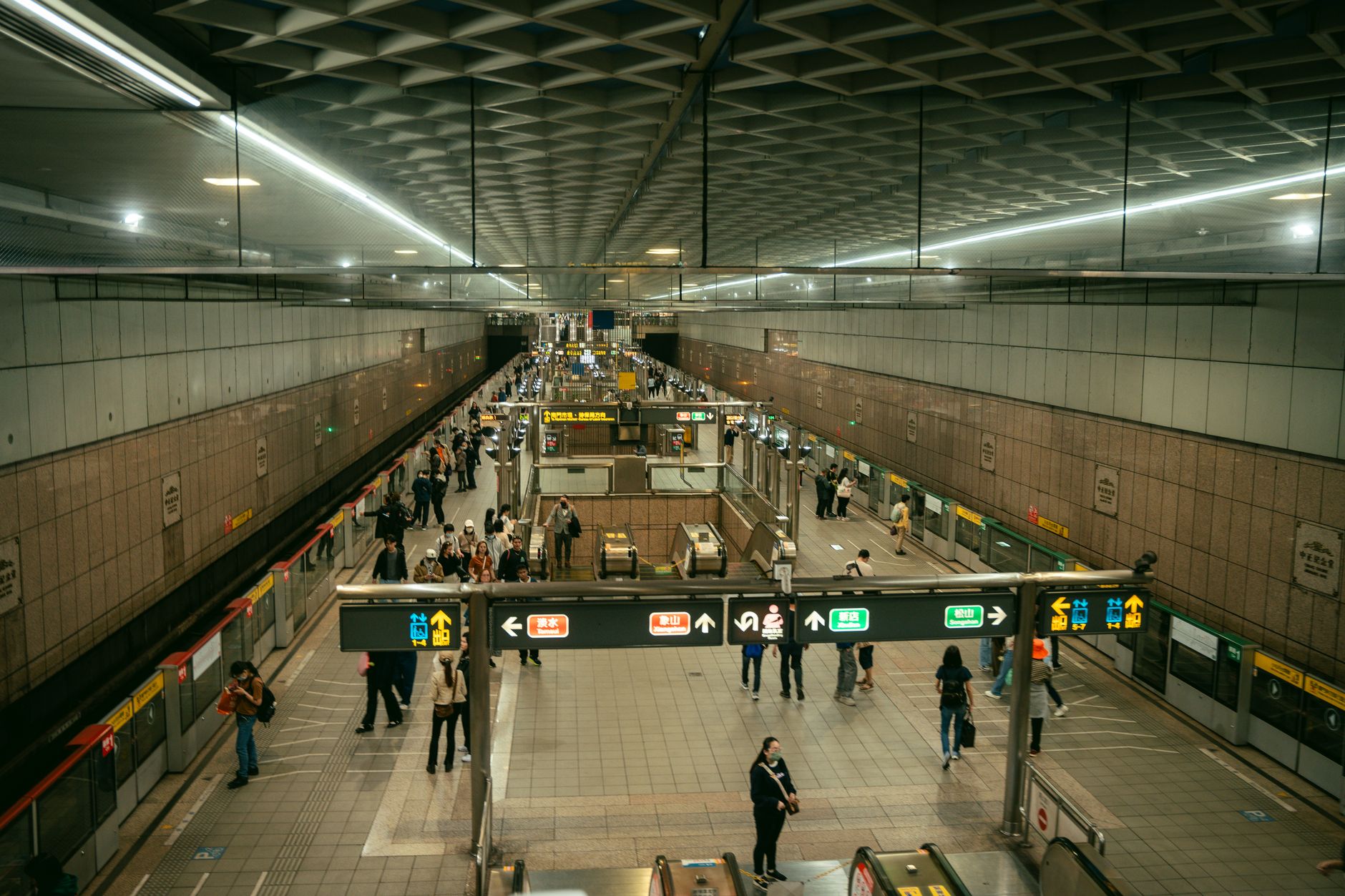
Kuala Lumpur Metro Etiquette: The Rules Tourists Miss Most
Master Kuala Lumpur's metro etiquette with practical tips on queueing, women-only coaches, priority seating, Touch 'n Go payments, and rush-hour travel.

Africa Visa Overview: Requirements for Safari and Adventure Travel
Complete guide to visa requirements for African safari destinations including Kenya, Tanzania, South Africa, Egypt, Morocco, and more. Essential information for adventure travelers planning their African journey.
Ancestry Tourism: How to Trace Your Heritage and Plan Meaningful Heritage Travel
Discover the growing trend of ancestry tourism and how to plan meaningful heritage travel. Learn to trace your family tree, plan trips to ancestral homelands, and create lasting connections with your roots.