
 ChatGPT
  Gemini
  Claude
  Perplexity
 Key Takeaways
- Thaipusam is a Hindu festival honoring Lord Murugan’s victory over the demon Surapadman
- Batu Caves in Selangor hosts largest celebration outside India with over 1 million visitors
- Kavadi bearers carry ornate structures attached to their bodies through piercings as acts of devotion
- The festival dates vary annually based on Tamil calendar (typically late January or early February)
- Tourists are welcome to observe but must maintain respectful distance during ceremonies
Understanding Thaipusam
Thaipusam commemorates the day Goddess Parvati gave Lord Murugan a spear to vanquish the evil demon Surapadman. The festival’s name combines “Thai” (month of Thai in Tamil calendar) and “Pusam” (star that is at its highest point during this period). Falling on the full moon in the Tamil month of Thai (January-February), Thaipusam represents the triumph of good over evil, light over darkness.
In Malaysia, Thaipusam is particularly significant due to the large Tamil Hindu population, with celebrations centered around Batu Caves’ limestone hill housing a massive Lord Murugan statue. The festival spans several days, with the main celebration day witnessing the most intense religious activities.
Pre-Festival Preparations
Devotee Preparation (48 Days Before)
For many devotees, Thaipusam preparation begins 48 days before the main celebration. This period involves strict discipline, spiritual cleansing, and physical preparation for the challenging acts of devotion they will perform.
Preparation Activities:
- Strict vegetarian diet for 48 days
- Daily temple visits and prayers
- Sexual abstinence during preparation period
- Mental and physical preparation for kavadi carrying
- Ritual cleansing and purification ceremonies
Temple and City Preparations
Temples and municipalities begin extensive preparations weeks in advance to accommodate the massive influx of devotees and visitors.
Infrastructure Preparations:
- Temporary facilities: Medical tents, food stalls, and rest areas
- Traffic management: Road closures and special transport arrangements
- Decorations: Flower garlands, lights, and religious banners
- Security measures: Crowd control and emergency services
The Thaipusam Journey
Day Before: Silver Chariot Procession
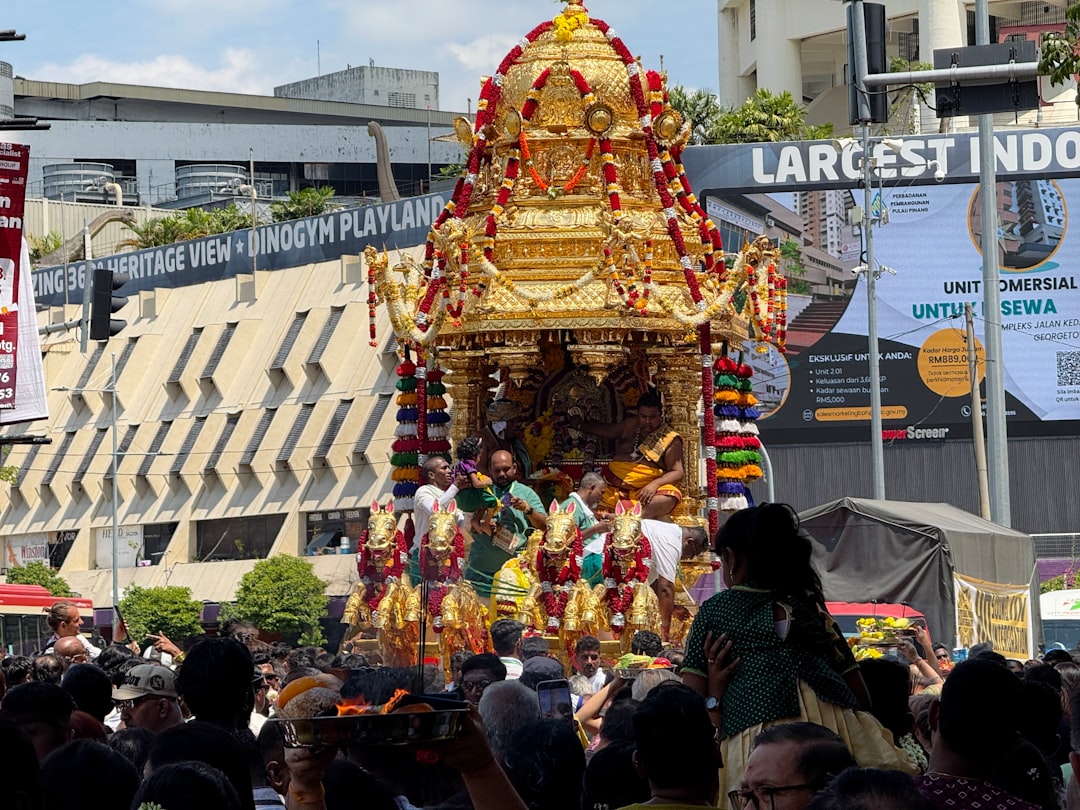
The Thaipusam celebrations begin with the silver chariot procession carrying the statue of Lord Murugan from Kuala Lumpur’s Sri Mahamariamman Temple to Batu Caves. This overnight journey covers approximately 15 kilometers and creates a spectacular atmosphere of devotion and anticipation.
Procession Highlights:
- Silver chariot: Elaborate vehicle carrying Lord Murugan statue
- Devotees breaking coconuts: Symbolizing ego destruction
- Chanting and prayers: Continuous religious recitations
- Milk offerings: Devotees carry milk pots for temple offerings
- Crowds lining streets: Millions gather to witness the procession
Main Day: The Climax
The main Thaipusam day is the most intense period of the festival, with devotees performing their vows of devotion at Batu Caves and other temples across Malaysia.
Main Day Activities:
- Kavadi bearers: Most spectacular visual of the festival
- Milk pot carriers: Families carrying milk offerings up 272 steps
- Head shaving: Ceremonial removal of hair as devotion
- Temple prayers: Continuous worship throughout day
- Cultural performances: Traditional music and dance
Kavadi Bearers: Acts of Devotion
Kavadi bearers are the most striking aspect of Thaipusam, performing extraordinary acts of devotion that involve elaborate structures attached to their bodies through hooks and piercings.
Types of Kavadi
Kavadi comes in various forms, each representing different levels of devotion and spiritual commitment.
Common Kavadi Types:
- Pal Kavadi: Simple milk pot carried on head (for beginners or families)
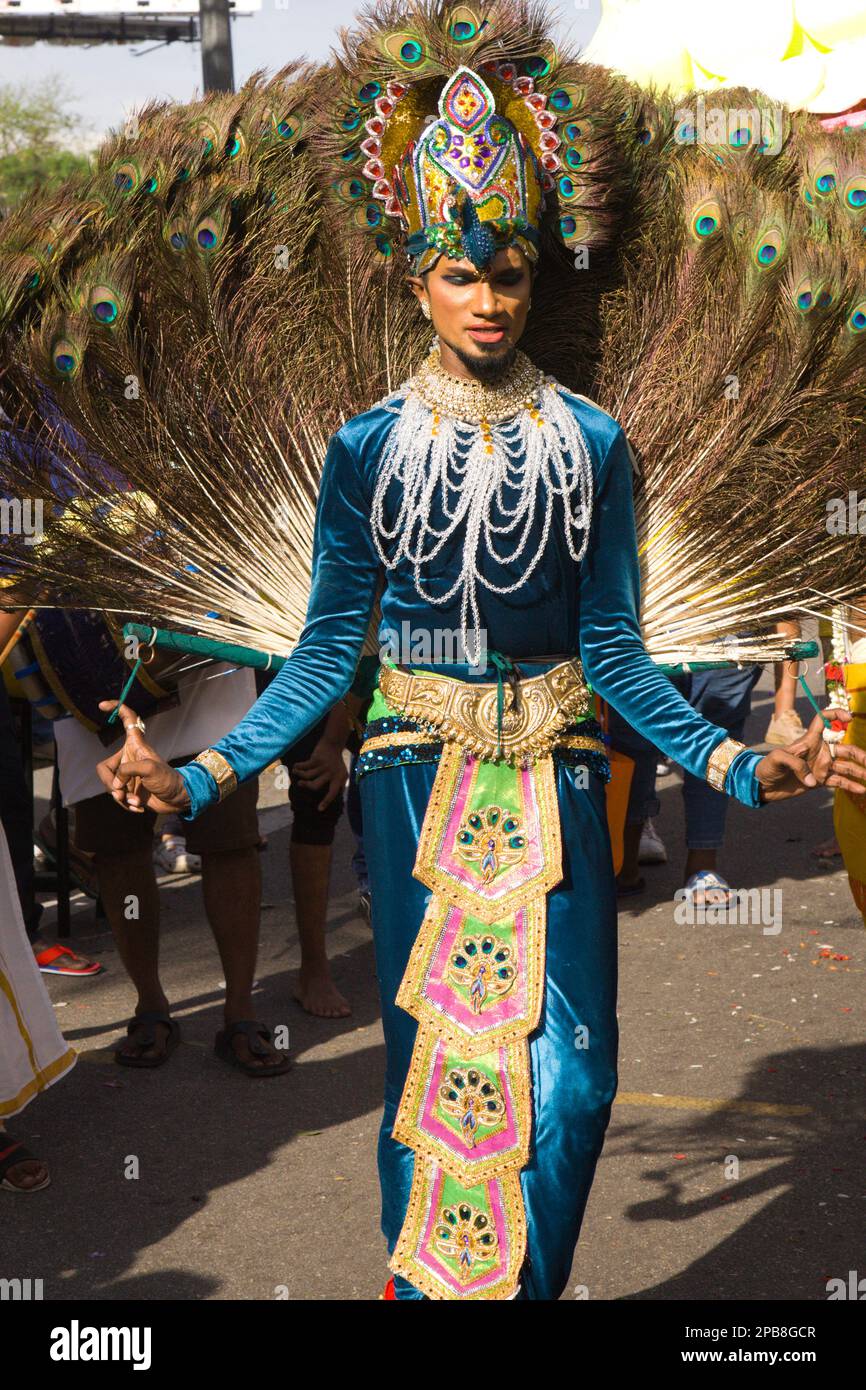
- Idumban Kavadi: Wooden or metal structures with peacock feathers
- Vel Kavadi: Spears or skewers through cheeks and tongue
- Alagu Kavadi: Hooks piercing the back and chest
- Mayil Kavadi: Peacock-shaped structures (most elaborate)
The Piercing Ceremony
The piercing ceremony, where kavadi bearers have hooks and skewers inserted into their bodies, is performed with surprising calmness and minimal pain. Devotees enter a trance-like state through prayer and meditation.
Piercing Process:
- Devotional preparation: Chanting and meditation
- Sterile conditions: Despite dramatic appearance, hygiene is maintained
- Multiple piercings: Some devotees have 100+ hooks
- Calm demeanor: Most bearers show little discomfort
- Spiritual focus: Pain is transcended through devotion
Batu Caves: The Main Celebration Venue
Batu Caves, located 13 kilometers north of Kuala Lumpur, hosts Malaysia’s largest and most famous Thaipusam celebration. The site features a massive 42.7-meter golden statue of Lord Murugan and a series of caves reached by 272 steps.
Climbing the 272 Steps
The climb to Batu Caves’ main temple is central to Thaipusam experience, with devotees carrying their kavadi or milk pots up the steep staircase.
The Climb Experience:
- Crowded conditions: Thousands climbing simultaneously
- Physical challenge: Especially for kavadi bearers
- Spiritual chanting: Mantras and prayers echo throughout
- Milk pot offerings: Devotees break coconuts at top
- Photography opportunities: Spectacular views and scenes
Temple Complex Activities
The Batu Caves complex becomes a spiritual city during Thaipusam, with various religious and cultural activities happening simultaneously.
Complex Activities:
- Main temple worship: Lord Murugan deity offerings
- Coconut breaking: Continuous ritual throughout day
- Hair shaving ceremony: Devotees shaving heads as offering
- Food distribution: Free meals for devotees and visitors
- Cultural performances: Traditional music and dance
Other Thaipusam Celebrations in Malaysia
While Batu Caves attracts the largest crowds, other temples across Malaysia host significant Thaipusam celebrations.
Notable Alternative Venues
Penang Waterfall Hill Temple:
- Located in George Town’s Waterfall Hill
- Intimate but equally powerful celebrations
- Good alternative for those avoiding Batu Caves crowds
Ipoh’s Kallumalai Arulmigu Subramaniar Temple:
- Historic temple with strong devotee community
- Less crowded than Batu Caves
- Traditional and authentic celebration experience
Johor Bahru’s Arulmigu Sri Rajakaliamman Glass Temple:
- Unique glass temple architecture
- Growing Thaipusam celebration
- Different perspective on the festival
What Tourists Can Expect
Observation Guidelines
Tourists are welcome at Thaipusam but must observe respectfully to avoid disrupting the spiritual significance of the event.
Tourist Guidelines:
- Maintain respectful distance: Don’t touch devotees or kavadi
- Ask before photographing: Many devotees don’t want photos during piercing
- Dress modestly: Cover shoulders, knees, and remove footwear in temple areas
- Stay in designated areas: Don’t block procession routes or prayer spaces
- Avoid eating: Out of respect for fasting devotees
Photography Tips
Thaipusam offers incredible photographic opportunities, but ethical photography is crucial.
Photography Best Practices:
- Ask permission first: Especially for intimate religious moments
- Use discretion: Avoid flash during ceremonies
- Respect privacy: Some moments should not be photographed
- Focus on wider shots: Capture the atmosphere rather than individuals’ suffering
- Follow security instructions: Some areas prohibit photography
Practical Travel Information
Getting to Batu Caves
Reaching Batu Caves during Thaipusam requires careful planning due to massive crowds and transportation changes.
Transportation Options:
- KTM Komuter train: Stops directly at Batu Caves station (recommended)
- Special buses: Increased frequency during festival
- Avoid driving: Severe traffic congestion and parking issues
- Early departure: Leave before dawn for main procession day
What to Bring
Preparing for a full day at Thaipusam requires bringing the right items for comfort and respect.
Essential Items:
- Modest clothing: Covering shoulders and knees
- Comfortable shoes: For walking and standing
- Water: Staying hydrated is crucial
- Small umbrella: Weather can be unpredictable
- Cash: For temple donations and food purchases
Food and Facilities
During Thaipusam, extensive facilities are set up to cater to the massive crowd.
Available Facilities:
- Free food: Vegetarian meals distributed by temples
- Medical tents: First aid and emergency services
- Rest areas: Designated spaces for resting
- Toilet facilities: Portable and temporary bathrooms
- Water stations: Free drinking water distribution
Understanding the Spiritual Meaning
Symbolism of Devotion
Understanding the spiritual significance of Thaipusam helps tourists appreciate the festival beyond its dramatic visuals.
Spiritual Symbolism:
- Kavadi carrying: Bearing one’s burdens and sins
- Piercings: Transcending physical pain through devotion
- Milk offering: Nourishment for the divine
- Coconut breaking: Destroying ego and negative qualities
- Head shaving: Renouncing worldly attachments
The Role of Lord Murugan
Lord Murugan, the deity honored during Thaipusam, represents divine power, protection, and the destruction of evil forces.
Lord Murugan Attributes:
- God of war: Victory over evil forces
- Protector: Safeguarding devotees from harm
- Source of wisdom: Granting knowledge and enlightenment
- Symbol of youth: Energy and vitality
FAQ
Is Thaipusam safe for tourists to attend?
Yes, Thaipusam is generally safe for tourists, with extensive medical, security, and crowd control measures in place. However, the event can be overwhelming due to massive crowds and intense religious activities. Tourists should maintain awareness, respect religious customs, and follow all security instructions.
Do tourists need to be Hindu to participate?
No, tourists of any religion are welcome to observe Thaipusam. However, participation is limited to respectful observation. Non-Hindus should not participate in religious rituals like carrying kavadi or temple ceremonies. Many devotees appreciate tourists showing interest in their traditions when done respectfully.
What is the best time to visit Thaipusam?
The main celebration day (when kavadi bearers carry their offerings to temples) is the most spectacular but also the most crowded. The silver chariot procession the night before offers excellent photo opportunities with fewer crowds. Early morning (before 6 AM) on the main day provides good access before peak crowds arrive.
Are there specific dress codes for Thaipusam?
Modest dress is mandatory for all visitors, regardless of religion. Clothing should cover shoulders and knees. Footwear must be removed before entering temple areas. Avoid white clothing (associated with mourning) and very revealing outfits. Traditional Indian clothing is appreciated but not required.
How can tourists support the Thaipusam celebrations?
Tourists can support Thaipusam by respecting religious customs, not disrupting ceremonies, making donations to temples, and sharing understanding of the festival’s significance rather than sensationalizing the dramatic aspects. Some temples welcome volunteers for crowd management or food distribution.
Related Articles
Chinese New Year Malaysia 2026: Lion Dances, Ang Pow & 15-Day Festival Guide
Experience Malaysia's vibrant Chinese New Year celebrations with lion dances, traditional foods, and cultural insights
Christmas in Malaysia 2026: Tropical Celebrations, Midnight Mass & Holiday Season Guide
Experience Christmas celebrations in Malaysia with church services and holiday season travel tips
Deepavali Malaysia 2026: Kolam Art, Oil Lamps & Festival of Lights Guide
Experience Deepavali Festival of Lights in Malaysia with traditions and kolam decorations
Gawai Dayak Festival Sarawak 2026: Longhouse Celebrations, Tuak & Indigenous Harvest
Experience Gawai Dayak harvest festival in Sarawak with longhouse celebrations and traditional dances