

 ChatGPT
  Gemini
  Claude
  Perplexity
 You love Thailand for the food, the temples, the beaches. But your binoculars have been sitting in your bag, and that little voice keeps asking: what birds can I see here?
Good news — Thailand is one of the best birding destinations in Asia, with over 1,000 recorded species. And the best part? You don’t have to choose between being a tourist and a birder. The two go hand in hand.
When to Go: Birding Seasons in Thailand
Thailand’s bird activity shifts with the seasons, and the right timing makes all the difference.
- November to March (Cool Season) — Peak birding period. Migratory species from Siberia and China flood into the country. Northern highlands are crisp and clear. This is prime time for most national parks.
- April to June (Hot Season) — Resident birds are in breeding plumage and actively calling. Early mornings in Khao Yai or Kaeng Krachan are especially rewarding, though the midday heat can be intense.
- July to October (Green Season) — Fewer tourists, lush landscapes, and good shorebird migration along the coasts. Rain can disrupt forest birding, but prices are lower and parks are quieter.
If you can only pick one window, December to March offers the best balance of weather, bird activity, and travel comfort.
Gear Essentials for the Traveling Birder
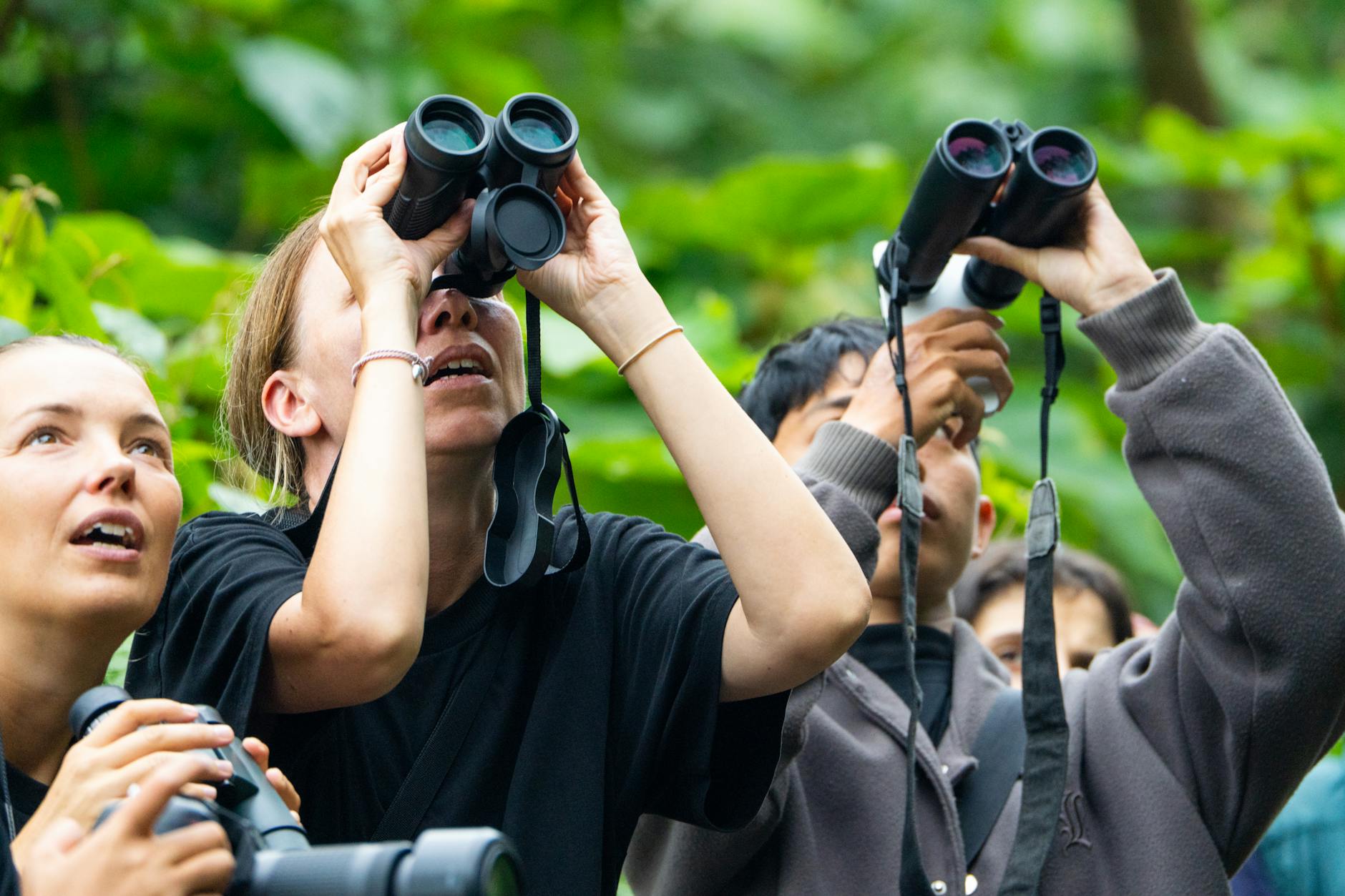
Packing light is a challenge when you’re juggling travel clothes and optics. Here’s what to bring without overstuffing your bag:
- Compact Binoculars (8x42 or 8x32) — Lightweight enough for day trips, powerful enough for forest canopy. Leave the giant spotting scope at home unless you’re targeting shorebirds.
- Camera with a Zoom Lens — A mirrorless body with a 100-400mm or similar lens covers both travel photography and bird documentation. A phone with a clip-on telephoto lens is a decent backup.
- Field Guide or App — Birds of Thailand by Craig Robson is the go-to book. For digital, download eBird (essential for checking recent sightings) and BirdNET for sound ID.
- Quick-Dry Clothing in Neutral Colors — Lightweight, breathable, and quiet. Avoid bright whites and neons. A light rain jacket doubles as wind protection at higher elevations.
- Reusable Water Bottle and Sun Protection — Thai heat is relentless. Hat, sunscreen, and hydration are non-negotiable.
Top Destinations: Where Tourism Meets Birding
Bangkok: Start with Urban Birding
Before you head into the wilderness, ease into it. Bangkok’s green pockets host surprising diversity.
- Lumphini Park — Right in the city center. Watch for Pied Fantail, Coppersmith Barbet, Oriental Magpie-Robin, and Asian Koel. Great for a jet-lag morning walk.
- Bang Pu Recreation Center (45 min south) — In winter, thousands of Brown-headed Gulls and shorebirds gather here. Easy to reach, free entry, and the raised boardwalk gives excellent views.
- The grounds of Wat Pho or the Grand Palace — Yes, really. Look for Asian Pied Starling, Crow-billed Drongo, and Lineated Barbet in the trees around temple complexes.
Pair this with: street food tours, the Grand Palace, and a Chao Phraya river cruise.
Khao Yai National Park: The Birder’s Gateway
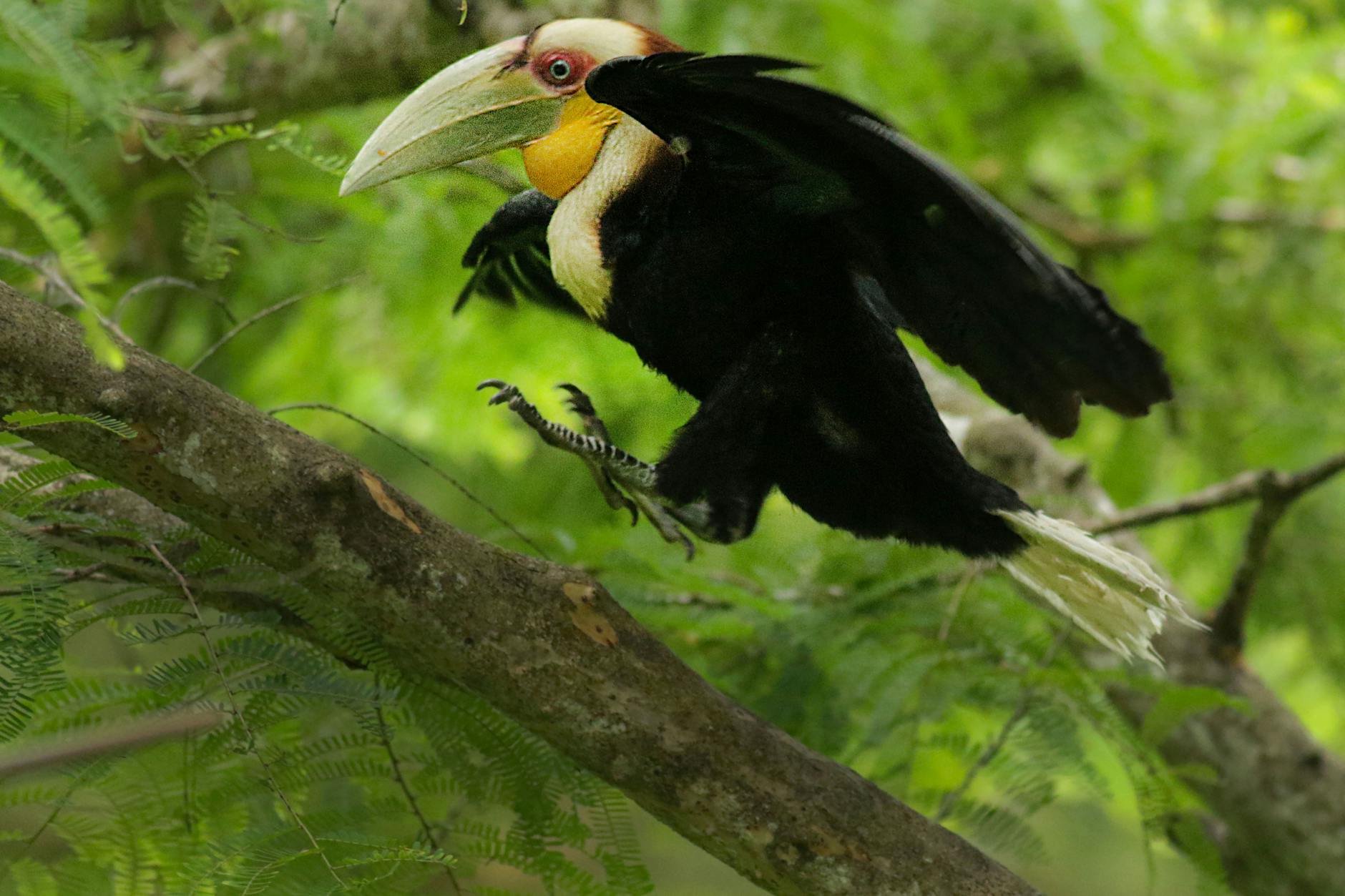
Just 2.5 hours from Bangkok, Khao Yai is Thailand’s most accessible World Heritage site and a fantastic introduction to forest birding.
- Target species: Great Hornbill, Wreathed Hornbill, Siamese Fireback (Thailand’s national bird), Blue Pitta, Coral-billed Ground-Cuckoo (rare but present)
- Best trails: The Mo Singto and Pha Kluay Mai trails are consistently productive. The park’s headquarters area also has good bird activity around the visitor center.
- Tips: Hire a local bird guide at the park entrance (around 1,500-2,000 THB for a half-day). They know call locations and will dramatically improve your species count.
Pair this with: a night safari for civets and deer, Haew Narok waterfall hike, and a visit to Khao Yai’s surrounding vineyards and dairy farms.
Chiang Mai & Doi Inthanon: Highland Specialties
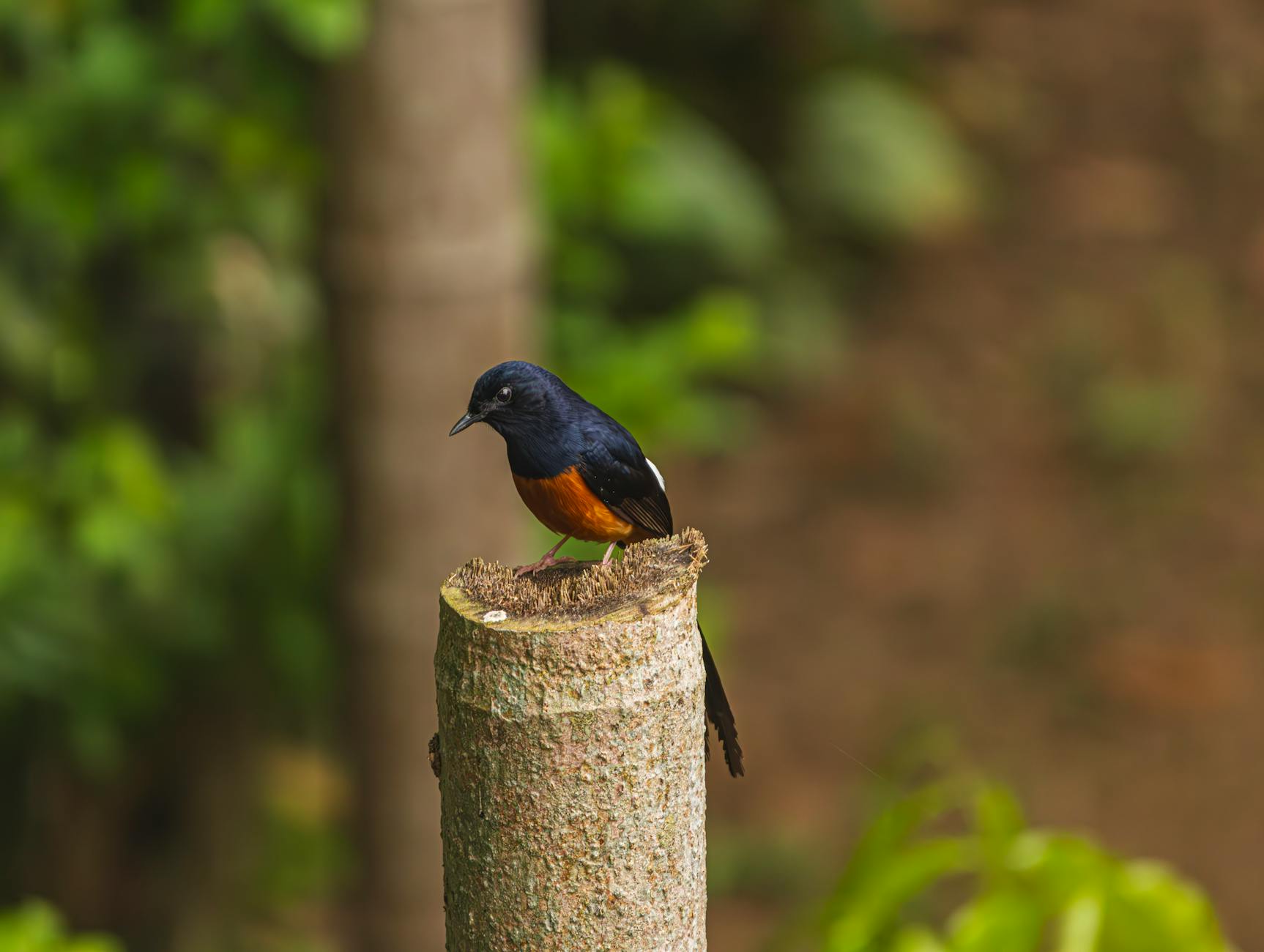
Northern Thailand offers a completely different birding experience. Doi Inthanon, the country’s highest peak at 2,565 meters, hosts over 500 species.
- Target species: Green-tailed Sunbird, Mrs. Gould’s Sunbird, Giant Nuthatch, Himalayan Bluetail, Ashy-throated Warbler, Blue-winged Minla, Scarlet Finch
- Best spots: The summit area (for high-elevation species), Ang Ka Nature Trail (a boardwalk through mossy cloud forest), and Mae Pan Waterfall Trail
- Doi Ang Khang (nearby, 2.5 hours from Chiang Mai) — Photographer’s paradise. Look for Mrs. Hume’s Pheasant, Chestnut-vented Nuthatch, and Spot-breasted Laughingthrush.
Pair this with: Chiang Mai’s old city temples, night bazaar, ethical elephant sanctuaries, and a Thai cooking class.
Pak Thale & Laem Pak Bia: World-Class Shorebirding

If you’re a shorebird enthusiast, this coastal site in Phetchaburi Province is world-famous.
- Target species: Spoon-billed Sandpiper (critically endangered — this is one of the most reliable wintering sites on the planet), Nordmann’s Greenshank, Asian Dowitcher, Malaysian Plover, Chinese Egret
- Best time: November to March, especially around high tide when birds roost closer to the salt pans
- Access: Easy DIY trip from Bangkok or Hua Hin. The salt pans are free to explore, and local conservation volunteers often set up scopes for visitors.
Pair this with: a visit to Kaeng Krachan National Park on the same trip (Thailand’s largest national park, 420+ species), or relax at nearby Cha-am or Hua Hin beaches.
Krabi & Southern Thailand: Mangroves and Kingfishers
Thailand’s southern coastline offers a different habitat — mangroves, mudflats, and lowland forest.
- Target species: Brown-winged Kingfisher, Collared Kingfisher, Ruddy Kingfisher, Mangrove Pitta, Far Eastern Curlew
- Best spots: Krabi estuary mangroves (hire a long-tail boat for a morning trip), Thale Noi Non-Hunting Area (a Ramsar wetland with Black-faced Spoonbill and Painted Stork)
- Tips: Early morning boat trips are essential. The light is better and birds are more active before the heat builds.
Pair this with: island hopping to Railay Beach, Koh Phi Phi, or Koh Lanta; rock climbing; and fresh seafood dinners.
Practical Tips for the Traveler-Birder
- Download offline maps — Cell service in national parks is spotty. Google Maps offline and eBird downloads will save you.
- Hire local guides — Thai bird guides are exceptional. They know call imitations, stakeout spots, and can double your species count. Many operate through Bird Thailand or Thai Birding communities.
- Respect the dress code at temples — If you’re temple-hopping before a birding session, pack a sarong or long pants to change into. Shorts and sleeveless tops won’t fly at sacred sites.
- Stay hydrated — This cannot be overstated. Carry at least 1.5 liters of water for a full morning of birding in the tropics.
- Use the BTS and MRT for early starts — Bangkok’s Skytrain starts running around 6 AM, perfect for reaching bus terminals or the airport for early birding trips.
- Join a local birding group — Check the Thailand Birding Facebook group or Bird Conservation Society of Thailand for trip reports and recent sightings.
Sample Itinerary: 10 Days for the Traveler-Birder
Day 1-2: Bangkok — Lumphini morning birding, Grand Palace, street food Day 3-4: Khao Yai NP — Full-day birding with guide, night safari Day 5: Travel to Chiang Mai — Evening at the Night Bazaar Day 6-7: Doi Inthanon / Doi Ang Khang — Full-day highland birding, temple visits Day 8-9: Krabi — Mangrove birding, island hopping Day 10: Return to Bangkok — Last market run, depart
This route covers forest, highland, coastal, and mangrove habitats — and still leaves room for temples, food, and relaxation.
Final Thoughts
Thailand is a birder’s paradise that happens to be one of the world’s great travel destinations. You don’t have to choose. Wake up early for the dawn chorus at Doi Inthanon, spend the afternoon exploring ancient temples, and end the day with a bowl of steaming khao soi under the stars. That’s the beauty of traveling Thailand with binoculars in your bag — every moment holds the possibility of something wonderful.
Grab your bins, book that flight, and come see what’s waiting in the canopy.
Related Articles

Suvarnabhumi Airport Hacks: From 'Golden Land' to City in 45 Minutes
Navigate Suvarnabhumi Airport (BKK) in Bangkok with ease. This comprehensive guide covers arrivals, departures, transportation, facilities, and essential tips for a smooth journey.

The Bangkok MRT Rules Tourists Keep Breaking (Without Knowing)
Master Bangkok's MRT with our etiquette guide. Learn queueing rules, seat etiquette, noise policies, and rush hour tips for a smooth, respectful ride.
Best Thailand eSIM for Tourists in 2026: AIS vs dtac vs TrueMove H, Compared and Priced
Skip the airport kiosk queue. Compare AIS, dtac and TrueMove H tourist eSIMs with 2026 prices, then see when a Klook, Airalo or Saily eSIM beats the carriers on cost — plus exact install steps to do before you fly.
Chiang Mai Digital Nomad Life 2026: Costs, Visas, Setup & Where to Live
The real numbers behind Chiang Mai's digital nomad scene in 2026 — honest monthly budgets in baht, which neighborhoods actually suit remote workers, the DTV visa route, internet speeds, and a first-week setup checklist that skips the usual tourist fluff.