
 ChatGPT
  Gemini
  Claude
  Perplexity
 The Real Cost of Getting to KLIA
When I first moved to Kuala Lumpur, I stared at ride-hailing apps showing RM120-180 to get to KLIA for an early morning flight. As a frequent traveler on a budget, that recurring airport transfer cost was eating into my travel fund. The official advice? “Take KLIA Ekspres directly from KL Sentral.” But that’s RM55-65 each way, and getting to KL Sentral from my suburban apartment meant another taxi fare anyway.
The truth most tourism guides won’t tell you: the MRT network can get you to KLIA for under RM15 total, but it requires understanding a specific transfer sequence that no single transit map shows clearly. After using this route dozens of times with various luggage configurations, I’ve perfected the MRT-to-airport strategy that works for both KLIA1 and KLIA2.
This isn’t generic “take public transport” advice—it’s the exact routing I’ve used at 3 AM for 5 AM flights, during rush hour with international-sized luggage, and when every minute counts. Here’s the complete breakdown.
Understanding the MRT-KLIA Connection Reality
First, let’s address what the MRT doesn’t do: there is no direct MRT line to KLIA. The MRT (Mass Rapid Transit) system connects major Kuala Lumpur neighborhoods, but KLIA sits 57 kilometers away, connected primarily by the KLIA Ekspres/Transit rail service from KL Sentral station and bus routes.
However, the MRT network intersects with multiple key transfer points that make the budget route possible. The secret is knowing which MRT line connects to which transfer station, and at which point it’s faster to switch to the KLIA Transit rail service versus bus routes.
The Three Main Transfer Options
Based on your starting location in KL, you’ll typically use one of three primary routes:
Route 1: MRT Putrajaya Line → Salak Tinggi → KLIA Transit Best for: Kajang, Serdang, Putrajaya, southern KL areas Total time: 70-85 minutes Total cost: RM13-15
Route 2: MRT Kajang Line → Bandar Tasik Selatan → KLIA Transit
Best for: Cheras, Ampang, eastern KL areas
Total time: 75-90 minutes
Total cost: RM12-14
Route 3: MRT Kajang Line → MRT Putrajaya Line → Sungai Buloh → KTM → Salak Tinggi Best for: Bandar Utama, Mont Kiara, northwestern KL (complex but necessary for some locations) Total time: 85-100 minutes Total cost: RM14-16
I’ll focus on Routes 1 and 2 as they cover 90% of practical scenarios, but I’ll explain Route 3 for those tricky starting points.
Route 1: The Southern Connector (MRT Putrajaya Line)
This is my preferred route when starting from KLCC, Bukit Bintang, or any station along the Putrajaya Line corridor. Here’s the exact sequence:
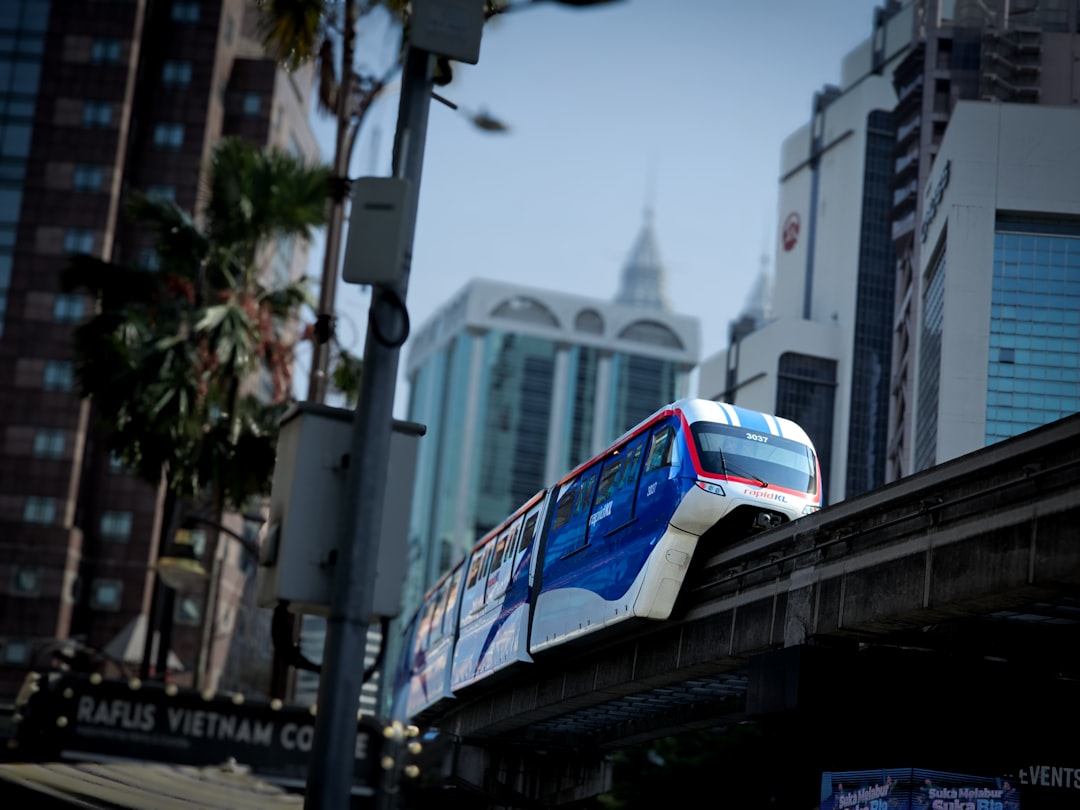
Step 1: Take MRT Putrajaya Line to Kwasa Damantara
Board at your nearest Putrajaya Line station and travel toward the terminal station, Kwasa Damantara. The journey time varies:
- From KLCC: 40-45 minutes
- From Bukit Bintang: 38-42 minutes
- From TRX: 35-40 minutes
Pro tip: Use the MyRapid app to check real-time arrival times. During peak hours (7-9 AM, 5-7 PM), trains run every 3-4 minutes. Off-peak intervals are 6-8 minutes.
Step 2: Transfer at Kwasa Damantara to KLIA Transit
This is where most travelers get confused. Kwasa Damantara station connects to the KTM Komuter Seremban Line. You’ll need to:
- Exit the MRT platform (follow signs for “KTM Komuter”)
- Purchase a KTM ticket or use Touch ‘n Go card (RM2-4 depending on destination)
- Board the KTM train toward Seremban
Critical timing factor: KTM Seremban Line trains run every 15-20 minutes during off-peak and every 10-15 minutes during peak. Check the KMTL app for schedules—if you miss a train, you could be waiting 20 minutes.
Step 3: KTM to Salak Tinggi Station
From Kwasa Damantara, the KTM journey to Salak Tinggi takes 25-30 minutes. This station is your critical transfer point to KLIA Transit.
Why Salak Tinggi matters: This station sits directly on the KLIA Transit line between KL Sentral and KLIA2, making it the most convenient rail transfer point for MRT users.
Step 4: KLIA Transit to KLIA1 or KLIA2
At Salak Tinggi, transfer to the KLIA Transit line (not the express—the express doesn’t stop here). The train splits:
To KLIA2: 8 minutes from Salak Tinggi To KLIA1: 12 minutes from Salak Tinggi (requires transfer at KLIA2 or taking the connecting shuttle bus)
KLIA Transit runs every 15 minutes during off-peak and every 10-12 minutes during peak periods. The final departure times vary by day, but as a general rule:
- Last train to KLIA2: 11:45 PM daily
- Last train to KLIA1: 11:35 PM daily (from KLIA2)
Total time breakdown: MRT (40 min) + Transfer (5 min) + KTM (30 min) + Transfer (5 min) + KLIA Transit (8-12 min) = 88-92 minutes total.
Route 2: The Eastern Connector (MRT Kajang Line)
If you’re staying in Cheras, Ampang, or any area along the Kajang Line, this route is more direct than going through the Putrajaya Line transfer.
Step 1: MRT Kajang Line to Bandar Tasik Selatan (BTS)
Board at your nearest Kajang Line station and travel toward the terminal station, Bandar Tasik Selatan. Journey times:
- From Cheras: 15-20 minutes
- From Ampang: 25-30 minutes
- From Puchong: 20-25 minutes
Important: Bandar Tasik Selatan is a major transit hub connecting MRT, KTM, and the ERL (Express Rail Link) that serves KLIA.
Step 2: Transfer to KLIA Transit at BTS
Unlike the Kwasa Damantara route, BTS has a direct KLIA Transit connection. Follow signs for “ERL KLIA Transit” through the station’s elevated walkway.
Transfer process:
- Exit MRT platform (you’re already in the BTS transit hub)
- Walk 3-5 minutes to the ERL station (connected walkway)
- Purchase ERL ticket (RM11 for KLIA2, RM12 for KLIA1) or use Touch ‘n Go
- Board KLIA Transit (not KLIA Ekspress, which bypasses intermediate stops)
Step 3: KLIA Transit Direct to Airport
From BTS, KLIA Transit takes:
- To KLIA2: 33 minutes
- To KLIA1: 38 minutes (stops at KLIA2 first)
Why I prefer this route: Single transfer point, no KTM delays, consistent 15-minute train frequency, and covered walkways the entire way—critical during Malaysia’s tropical thunderstorms.
Total time breakdown: MRT (20 min) + Transfer walkway (7 min) + KLIA Transit (33-38 min) = 60-65 minutes total.
Route 3: The Northern Connector (Complex Cases)
For those in Bandar Utama, Mont Kiara, or areas near the MRT Putrajaya Line’s northern section, you’ll need this multi-transfer route:
The Complete Sequence
- MRT Putrajaya Line to Sungai Buloh (terminal station)
- Transfer to KTM Seremban Line (Port Klang-bound platform)
- Take KTM to Salak Tinggi (45-50 minutes)
- Transfer to KLIA Transit at Salak Tinggi
- KLIA Transit to KLIA1 or KLIA2 (8-12 minutes)
Total time: MRT (15-20 min) + KTM transfer (10 min) + KTM (50 min) + ERL transfer (5 min) + ERL (8-12 min) = 88-97 minutes.
Why this route works: Sungai Buloh is the major interchange where the MRT Putrajaya Line meets the KTM network, providing access to the KLIA Transit line at Salak Tinggi.
Caveat: This route has the most transfer points and is most susceptible to delays. I only recommend it when Route 1 or 2 would require excessive backtracking or when your starting location makes it the most logical option.
The KLIA1 vs KLIA2 Decision Point
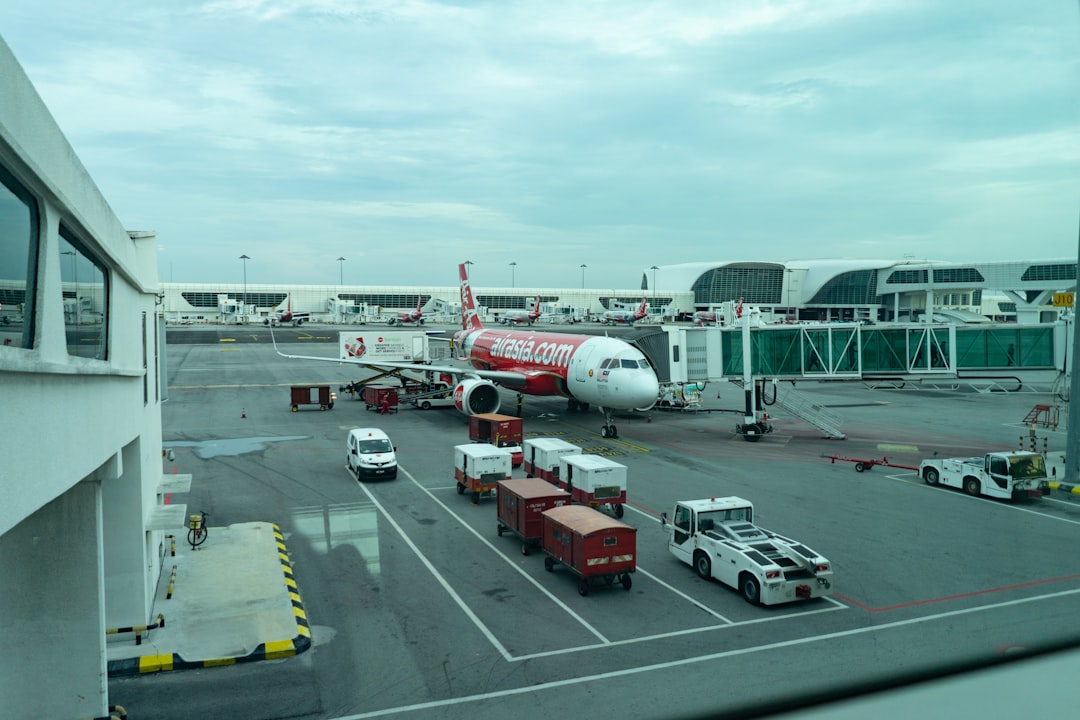
Many travelers don’t realize KLIA1 and KLIA2 are separate terminals 3 kilometers apart, and the routing differs slightly.
For KLIA2 (Budget Terminal + International Connections)
Direct KLIA Transit access: Yes, all routes terminate directly at KLIA2’s Basement 1 transportation hub.
Walking time from ERL to check-in: 7-10 minutes with normal luggage. Follow signs for “Departure Hall” or your specific airline check-in counters.
Airport layout tip: KLIA2 is designed for efficient passenger flow. The ERL station connects directly to the departure level through escalators and moving walkways.
For KLIA1 (Main International Terminal)
The KLIA1 routing challenge: KLIA Transit does NOT stop directly at KLIA1. You have two options:
Option A: KLIA2 Transfer (Recommended)
- Take KLIA Transit to KLIA2
- Transfer to KLIA Ekspress (Platform 2, same level)
- Take Ekspres to KLIA1 (3 minutes)
- Total time from KLIA2: 5-8 minutes including transfer
Option B: KLIA2 Shuttle Bus
- Take KLIA Transit to KLIA2
- Look for “KLIA1-KLIA2 Shuttle Bus” signs (Level 1, Transportation Hub)
- Free shuttle runs every 20 minutes, 5 AM - 1 AM
- 10-15 minute ride between terminals
My recommendation: Use the KLIA Ekspres transfer. It’s faster (3 minutes vs 15+), you don’t wait for bus schedules, and you avoid potential luggage hassles on crowded shuttle buses. The extra RM3-4 for the short Ekspres ride is worth it when timing matters.
Real-World Timing Scenarios
Scenario 1: 6 AM International Flight from KLIA2
Starting from: Bukit Bintang, 3:30 AM Route: Putrajaya Line → Kwasa Damantara → KTM → Salak Tinggi → KLIA Transit Problem: Early morning trains start around 6 AM. This route doesn’t work for very early flights.
Alternative 1: Take Grab/Taxi to KL Sentral (RM30-40, 20 min), then KLIA Ekspres (RM55, 28 min) = RM85-95, 50 minutes total.
Alternative 2: Late night bus to airport (check bus apps, RM10-15, 60-75 min) from various city points.
Lesson: For flights before 7 AM, budget public transport isn’t feasible. Factor this into flight selection or transportation budgeting.
Scenario 2: 2 PM International Flight from KLIA1
Starting from: Cheras, 11:00 AM Route: Kajang Line → BTS → KLIA Transit → KLIA Ekspres transfer → KLIA1 Actual timeline:
- 11:05 AM: Board MRT at Cheras
- 11:25 AM: Arrive BTS, transfer to ERL (7 min walkway)
- 11:35 AM: Board KLIA Transit
- 12:10 PM: Arrive KLIA2, transfer to Ekspres (5 min)
- 12:18 PM: Arrive KLIA1
- 12:30 PM: At check-in counter
Buffer used: 90 minutes for 2-hour advance check-in = comfortable margin for delays.
Scenario 3: Rush Hour with Large Luggage (5:30 PM Departure)
Starting from: KLCC, 3:00 PM with 2 check-in bags + carry-on Route: Putrajaya Line → Kwasa Damantara → KTM → Salak Tinggi → KLIA Transit
Challenges faced:
- 3:15-4:00 PM: Peak-hour MRT, standing room only, luggage management difficult
- 4:10 PM: KTM platform crowded, transferring with luggage requires maneuvering
- 4:45 PM: KLIA Transit relatively empty (off-peak for airport direction)
Total time: 95 minutes (10 minutes longer than off-peak) Luggage tip: During peak hours, luggage car fills quickly. Position yourself near doors early and be prepared to step aside for passengers exiting at intermediate stations.
Cost Breakdown by Route
Route 1 (Putrajaya Line Transfer)
- MRT fare (average from city): RM3-5
- KTM fare (Kwasa Damantara → Salak Tinggi): RM4-6
- KLIA Transit (Salak Tinggi → KLIA2): RM11
- KLIA Ekspres (KLIA2 → KLIA1, if needed): RM3-4 Total: RM13-15 to KLIA2, RM16-19 to KLIA1
Route 2 (BTS Transfer)
- MRT fare (average from eastern KL): RM2-4
- KLIA Transit (BTS → KLIA2): RM11
- KLIA Ekspres (KLIA2 → KLIA1, if needed): RM3-4 Total: RM12-15 to KLIA2, RM15-19 to KLIA1
Route 3 (Northern Connector)
- MRT fare (northern stations): RM2-4
- KTM fare (Sungai Buloh → Salak Tinggi): RM6-8
- KLIA Transit: RM11
- KLIA Ekspres (if KLIA1): RM3-4 Total: RM14-17 to KLIA2, RM17-21 to KLIA1
Comparison:
- Grab/Taxi: RM120-180 one-way
- KLIA Ekspres from KL Sentral: RM55-65 plus taxi/MRT to Sentral (RM10-25) = RM65-90
- Bus from various city points: RM10-15, 60-90 minutes (check schedules carefully)
Verdict: MRT routes save RM50-120 per trip, making it genuinely budget-friendly despite complexity.
Luggage and Practical Considerations
Luggage Management Tips
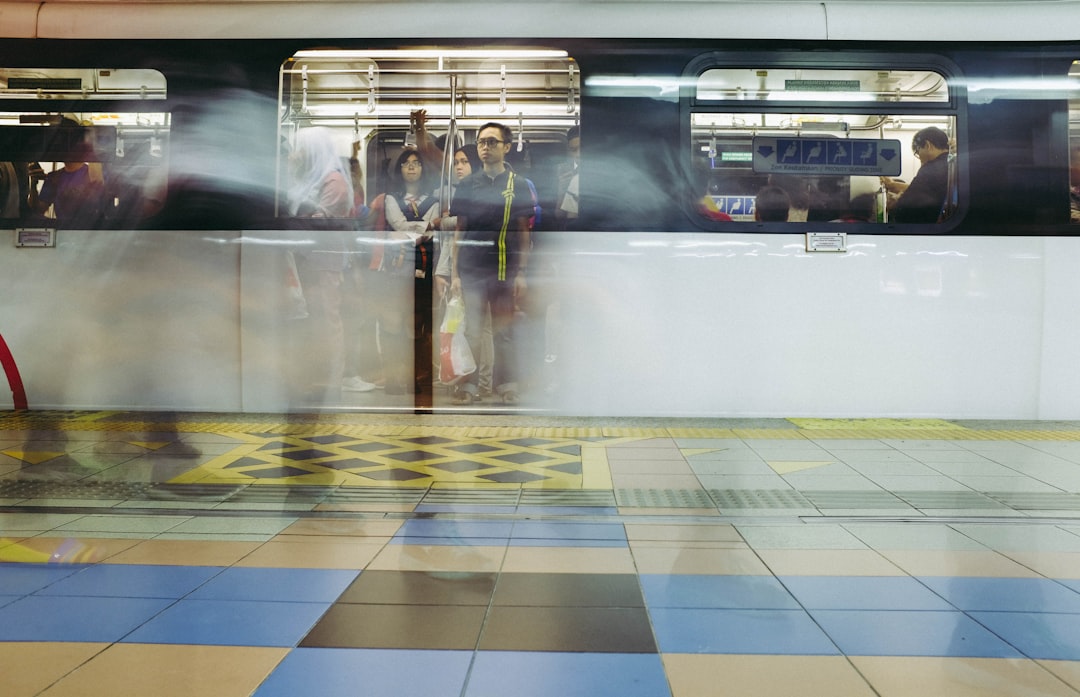
MRT challenges:
- Elevators/lifts are available at all stations but may require walking to different platform sections
- Peak-hour crowds make large luggage awkward
- Luggage racks fill quickly on crowded trains
KTM challenges:
- Older trains have less luggage space than MRT
- Station lifts are smaller and may require two trips for multiple large bags
- Platforms can be crowded during rush hour
ERL advantages:
- KLIA Transit has dedicated luggage racks near doors
- Spacious carriages designed for airport travelers
- Less crowded than urban transit lines
My luggage strategy:
- Check your terminal before departing
- If taking Route 1, allow extra 10 minutes for KTM transfer with luggage
- If using Route 2, the covered BTS walkway makes luggage transfer easier
- Pack lighter if traveling during peak hours (7-9 AM, 5-7 PM)
- Consider airport luggage storage if you have a long layover and don’t want to haul bags between terminals
Weather Considerations
Kuala Lumpur’s tropical climate means frequent thunderstorms. Route 2 (BTS transfer) has the advantage of covered walkways between MRT and ERL stations. Route 1 requires exposed transfers at Kwasa Damantara and Salak Tinggi.
Weather contingency:
- Check weather apps before departing
- Carry compact umbrella for exposed transfers
- Allow extra 5-10 minutes during heavy rain for slower transfers
- Consider Route 2 during monsoon season (October-January)
When NOT to Use the MRT Route
Despite the cost savings, there are situations where the MRT route doesn’t make sense:
Very Early Morning Flights (Before 7 AM)
Public transport starts around 6 AM, making early flights impossible via MRT routes. Factor taxi costs into your budget if you prefer early departures.
Large Groups with Multiple Bags
More than 2-3 people with multiple large bags makes transfers logistically difficult. The per-person cost savings diminishes when split among a group.
Limited Time Between Flights
If you have a tight connection or are cutting it close for check-in, don’t risk public transport delays. The direct KLIA Ekspres is more reliable for time-critical situations.
Mobility Issues
While all stations are accessible, multiple transfers with luggage can be physically demanding. Consider door-to-door transport if mobility is a concern.
Technology and Apps That Help
Essential Apps for MRT-to-KLIA Navigation
MyRapid (Official): Real-time train schedules, route planning, and service alerts for MRT and LRT lines. Essential for checking if there are any disruptions before departing.
KMTL: KTM Komuter schedules and delays. The KTM segment is the most prone to delays, so check this before committing to Route 1 or 3.
ERL: KLIA Ekspres and Transit schedules. Shows real-time departures and any service disruptions.
Touch ‘n Go eWallet: Convenient payment for all transit segments. Preload RM50-100 to avoid ticket machine lines during transfers.
Google Maps: Surprisingly reliable for basic route planning, though it may not always show the most optimal transfer combinations. Use as a reference, but verify with official apps.
Service alert monitoring: I always check all three apps (MyRapid, KMTL, ERL) for service alerts before leaving. A single delay on any segment can cascade into missed flights.
The Environmental Angle
Beyond cost savings, using MRT-to-KLIA routes has genuine environmental benefits:
Carbon footprint comparison:
- Private car/ride-hailing: ~12-15 kg CO2 per trip
- KLIA Ekspres: ~2 kg CO2 per trip
- MRT + KLIA Transit: ~0.8-1.2 kg CO2 per trip
Taking public transport to KLIA can reduce your airport transfer carbon footprint by 85-90% compared to private transport. For frequent travelers, this adds up to significant emissions reduction over time.
Personal impact: Calculating my airport transfers over a year of travel, switching from Grab to MRT routes saved approximately 400+ kg of CO2 annually—equivalent to planting 18-20 trees.
Troubleshooting Common Issues
Issue 1: KTM Service Disruption
Problem: KTM Seremban Line has frequent delays and occasional service disruptions.
Solution: Monitor KMTL app. If there’s a disruption, consider Route 2 (BTS) even if it requires backtracking, or take a taxi to KL Sentral for direct KLIA Ekspres.
Issue 2: Missed KLIA Transit Connection
Problem: You arrive at Salak Tinggi just as the KLIA Transit departs, with 15 minutes until the next train.
Solution: Check flight timing. If you have buffer time, the 15-minute wait is usually acceptable. If timing is critical, consider the short taxi ride (RM15-20) from Salak Tinggi to KLIA2—about 10-12 minutes during non-peak traffic.
Issue 3: Wrong Terminal Boarding
Problem: You accidentally board KLIA Ekspress instead of KLIA Transit at BTS or Salak Tinggi.
Solution: Both trains serve KLIA2, but Ekspress doesn’t stop at intermediate stations. It’s actually faster (33 minutes from BTS vs 38 minutes), but costs RM55 vs RM11. You’ll save time but pay more. If you need KLIA1, Ekspres is actually the better choice as it goes directly to KLIA1 without transferring at KLIA2.
Issue 4: Touch ‘n Go Card Issues
Problem: Insufficient balance or card not working at a station.
Solution: Every major station has ticket vending machines and top-up kiosks. Allow 2-3 extra minutes at each transfer station in case you need to buy physical tickets instead of using your card.
The Verdict: Is MRT-to-KLIA Worth It?
After dozens of trips using these routes, my answer is: it depends on your priorities and circumstances.
Choose MRT routes when:
- You’re budget-conscious and can afford the extra 20-40 minutes travel time
- You have flexibility in flight timing (avoid 6 AM departures)
- You’re traveling solo or with minimal luggage
- You enjoy the sustainability aspect of public transport
- You want to experience Kuala Lumpur’s transit network
Choose direct transport when:
- Flight timing conflicts with public transport schedules
- You’re traveling with multiple large bags or a group
- Time is critical (tight connections, business travel)
- Physical limitations make transfers difficult
- Weather conditions make exposed transfers risky
My personal approach: For leisure travel with flights after 8 AM, I use MRT routes and enjoy the cost savings. For business travel or early flights, I budget for direct transport and appreciate the reliability and convenience.
The key is understanding your options and planning accordingly. Kuala Lumpur’s public transport network, while complex, provides genuinely viable alternatives to expensive airport transfers—for those willing to navigate the transfer sequence with proper planning and realistic time expectations.
Image Suggestions for This Article:
- MRT Putrajaya Line train approaching a modern station platform (for introduction/overview section)
- Transfer station signage showing KTM and MRT connections at Kwasa Damantara (for Route 1 section)
- BTS station walkway connecting MRT to KLIA Transit (for Route 2 section)
- KLIA Transit train interior with luggage racks (for practical tips section)
- Smartphone screen showing transit apps (MyRapid, KMTL, ERL) with route planning (for technology section)
- Split comparison image showing cost difference between MRT route vs taxi (for cost breakdown section)
Related Articles

3 Hours for RM135: The Sleep Hack That Changed My KLIA Layovers Forever
Malaysia's Kuala Lumpur International Airport has transformed the layover experience with innovative capsule hotels. Discover how these compact, tech-enabled accommodations offer travelers comfort, flexibility, and value without leaving the terminal.
Kuala Lumpur Metro Etiquette: The Rules Tourists Miss Most
Master Kuala Lumpur's metro etiquette with practical tips on queueing, women-only coaches, priority seating, Touch 'n Go payments, and rush-hour travel.
Arriving Checklist for Kuala Lumpur Airport Terminal 1 (KUL T1)
Landing at Kuala Lumpur International Airport Terminal 1? Use this practical arrival checklist with the official Malaysia Digital Arrival Card (MDAC) links, eGate notes, and airport basics.
How to Ride a Tuk-Tuk in Thailand Without Overpaying
A practical guide to riding tuk-tuks in Thailand: when to use one, what to negotiate, rough Bangkok fare ranges, and how to avoid the classic tourist mistakes.